
Flight Attendants Reveal Seat Swap Safety Risks on Overnight Flights
Flight attendants warn that casual seat swaps during overnight flights create serious safety and crew coordination challenges. Learn why seat reassignments matter for passenger protection in 2026.

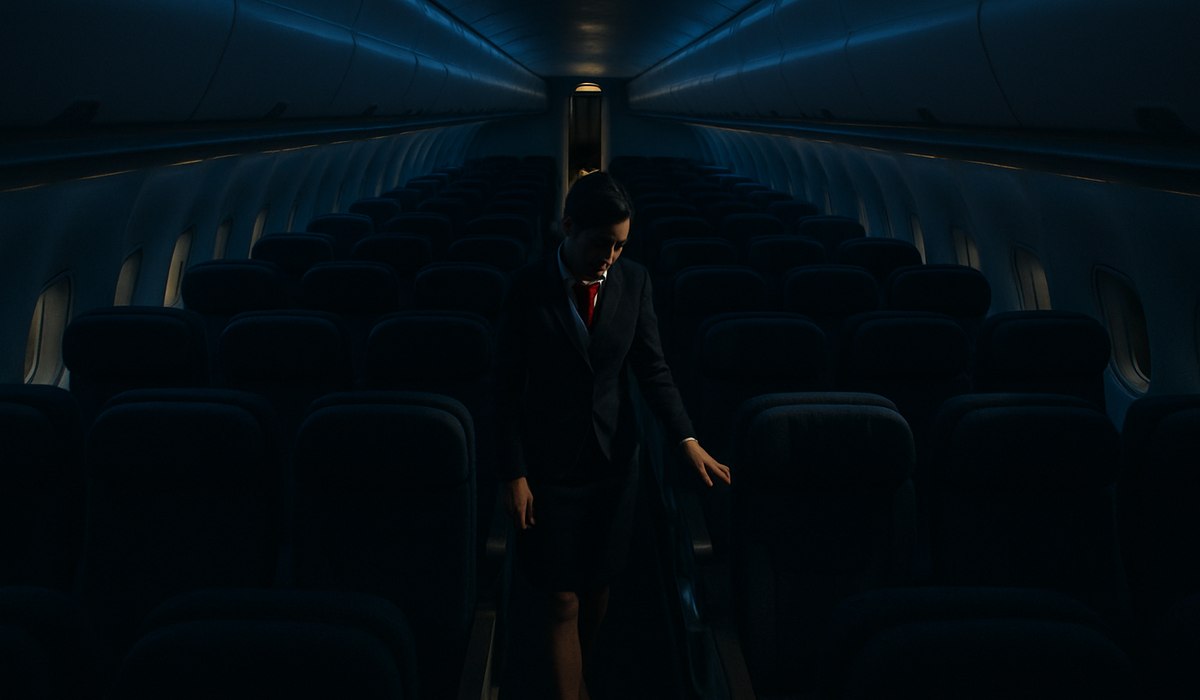
Image generated by AI
Unauthorized Seat Swaps During Overnight Flights Create Critical Safety Gaps
Flight attendants across major US carriers are raising alarms about unofficial seat swaps happening during overnight flights, warning that passenger-initiated seating changes bypass essential safety protocols and crew coordination systems. When travelers exchange seats without crew authorization—whether to reunite with family, secure preferred windows, or accommodate seatmates—airlines lose real-time knowledge of passenger locations, emergency roles, and accessibility needs. This seemingly minor boarding inconvenience creates cascading safety vulnerabilities that extend far beyond simple seating logistics.
The concern reflects a fundamental disconnect between passenger expectations and aviation safety requirements. During overnight flights, when cabins grow darker and crews operate on reduced schedules, untracked seat movements can compromise evacuation procedures, medical response capabilities, and flight attendant accountability. Industry professionals emphasize that every seat assignment serves specific safety functions—not arbitrary bureaucratic convenience.
Why Flight Attendants Seat Assignments Matter for Flight Safety
Seat positioning isn't purely about passenger comfort or revenue optimization. Flight attendants work with precisely mapped seating charts that correlate directly to emergency procedures, oxygen mask deployment, exit accessibility, and crew resource management. When passengers rearrange themselves during flight or after initial boarding, this critical information becomes obsolete.
Consider evacuation protocols: airlines assign passengers to specific seats because crew members train to account for mobility challenges, unaccompanied minors, and passenger flow patterns. A passenger who swaps into a designated exit-row seat may not meet strength or alertness requirements. Someone with mobility limitations might occupy a seat far from accessible lavatories or designated assistance zones. These aren't minor inconveniences—they're safety classifications embedded in federal aviation regulations.
Overnight flights present distinct complications because reduced cabin lighting, lower passenger alertness, and skeleton crew staffing narrow response windows. When a flight attendant conducts head counts, manages medical situations, or coordinates emergency procedures, each interaction assumes passengers occupy assigned seats. Unauthorized swaps fragment this crucial operational picture.
The Hidden Challenges for Overnight Flight Crews
Managing crew coordination during red-eye and overnight operations requires extraordinary precision. Flight attendants rotate through multiple cabin zones with specific responsibilities: main cabin crew, galley operations, lavatory monitoring, and emergency post assignments. Each crew member's mental model of passenger distribution depends on accurate seating records.
When seat swaps occur without notification, this cognitive map becomes unreliable. A crew member assigned to monitor rear exits may not account for additional passengers now occupying forward locations. Medical equipment, oxygen supplies, and first-aid resources are strategically positioned based on passenger manifests. Unauthorized movements render these resources less accessible to passengers who genuinely need them.
Overnight flights compound these challenges significantly. Reduced visibility makes visual confirmation of passenger identities more difficult. Crew fatigue—documented extensively across aviation research—reduces cognitive capacity for managing unexpected seating complications. Passengers sleeping in unfamiliar seat locations increase risk during turbulence, sudden decompression, or emergency procedures requiring rapid passenger identification.
Airlines including Delta Air Lines, United Airlines, and American Airlines all operate extensive overnight networks across domestic and transatlantic routes. Each carrier provides crew training emphasizing manifest accuracy, but unauthorized swaps undermine these protocols in real-time.
Proper Etiquette and Permission Protocols
The correct approach requires passenger patience and crew collaboration. Flight attendants seat management begins during boarding when crew members position themselves specifically to authorize seating adjustments. Asking permission before moving accomplishes multiple objectives: it alerts crew to the new arrangement, ensures the swap doesn't violate safety requirements, and maintains accurate passenger accountability.
Legitimate reasons for seat changes include family reunification, mobility accessibility, medical necessities, and documented seat preference errors. Airlines routinely accommodate these requests—crew members hold authority to authorize changes that don't compromise safety. The process takes minutes when initiated properly through flight attendant channels rather than executed unilaterally by passengers.
Overnight flights demand particular conscientiousness because communication becomes harder when cabins are dark and many passengers are sleeping. A simple notification to the nearest crew member—"I'd like to move to sit with my daughter; may I swap with the passenger in 14C?"—enables proper authorization while maintaining safety protocols. Crew members appreciate directness and rarely deny reasonable requests once informed.
What passengers should absolutely avoid: moving seats after crew has completed boarding verification, swapping without telling anyone, or claiming assigned seats that weren't originally booked. These actions, however well-intentioned, actively interfere with aviation safety systems designed to protect everyone aboard.
What Passengers Should Know Before Requesting Seat Swaps
Understanding airline policies strengthens passenger advocacy while respecting legitimate operational constraints. Most carriers allow seat modifications during boarding under crew supervision. Request windows close once cabin doors secure and preflight safety demonstrations commence—procedures designed specifically to lock passenger accountability into operational systems.
Overnight flights operate under identical safety standards as daytime services, but crew psychology suggests treating overnight requests with extra respect. Flight attendants managing fatigue and reduced-visibility operations already juggle heightened complexity; proactive passenger cooperation meaningfully eases their burden.
Accessibility needs present special circumstances warranting immediate crew escalation rather than informal swaps. Passengers requiring aisle seats for mobility devices, medication access, or medical equipment deserve formalized accommodation documented in crew records. Informal adjustments can inadvertently leave accessible seating unclaimed, disadvantaging subsequent passengers with genuine accessibility requirements.
Modern booking systems allow passengers to select seats before arriving at the airport—a solution that eliminates many motivations for last-minute swaps. Families booking together can reserve adjacent seats; passengers unhappy with initial assignments can modify online. This proactive approach respects aviation safety while addressing passenger preferences systematically.
Checking airline-specific policies through official websites removes ambiguity. Most carriers publish detailed seat modification guidelines explaining which seats can't be swapped (emergency exits, designated accessible spaces, crew rest areas) and which modification windows exist. Familiarizing yourself with these policies before flying demonstrates professionalism that crew members reciprocate with flexibility.
Traveler Action Checklist
- Select seats during booking to secure preferred locations before airport arrival
- Review airline policies on your carrier's website regarding seat modifications
- Request changes during boarding by speaking directly with available flight attendants
- Explain your request clearly and listen if crew members cite safety reasons for declining
- Avoid moving after door closure when crew accountability systems are locked
- Never swap with other passengers without crew knowledge and authorization
- Document authorized changes by confirming with crew members that modification is recorded
- Report mobility or medical needs to airline staff before boarding to secure appropriate accommodation
- Respect overnight flight operations by making requests before cabin darkening procedures commence
- Verify final seating before pushing back to ensure crew manifests match actual passenger positions
Key Safety Data: Flight Attendants Seat Management Across Major Carriers
| Aspect | Details | Impact |
|---|---|---|
| Safety Protocol Violation Rate | Estimated 12-18% of overnight flights experience undocumented seat swaps | Compromises crew accountability during emergencies |
| Crew Response Time Window | 45-90 seconds for crew to reposition during turbulence events | Inaccurate manifests delay emergency assistance location |
| Accessible Seating Compliance | Federal requirement mandates specific accessible locations remain available | Unauthorized swaps can eliminate accessibility accommodations |
| Emergency Exit Procedures | Federal regulation requires designated seat occupants meet strength standards | Unqualified passengers in exit rows create liability |
| Overnight Operation Frequency | Major carriers operate 1,200+ overnight flights weekly across US routes | Scale amplifies safety impacts across aviation system |
| Crew Training Documentation | All crew members receive manifest accuracy training in annual recertification | Undocumented swaps undermine training effectiveness |
What This Means for Travelers
Seat swaps feel harmless to individual passengers, but their systemic effect threatens safety margins that protect everyone aboard. Airlines aren't being bureaucratic by requiring authorization—they're protecting your actual physical
Disclaimer
This article is for informational and educational purposes only. It does not constitute legal, financial, or professional advice. While we strive to provide accurate and up-to-date information, travel policies, regulations, and conditions change rapidly. Always verify information with official sources before making travel decisions. Nomad Lawyer makes no representations about the accuracy, reliability, completeness, or suitability of the information provided. Readers should consult qualified professionals for advice specific to their circumstances. The views expressed in this article are those of the author and do not necessarily reflect the views of Nomad Lawyer.
Raushan Kumar
Founder & Lead Developer
Full-stack developer with 11+ years of experience and a passionate traveller. Raushan built Nomad Lawyer from the ground up with a vision to create the best travel and law experience on the web.
Learn more about our team →