
Five Dead After Rescue Attempt Spirals into Multiple Drownings on Scioto River in Powell Ohio 2026
A recreational outing on Ohio's Scioto River turned fatal when a rescue attempt led to five deaths, highlighting the severe risks of inland waterway currents.

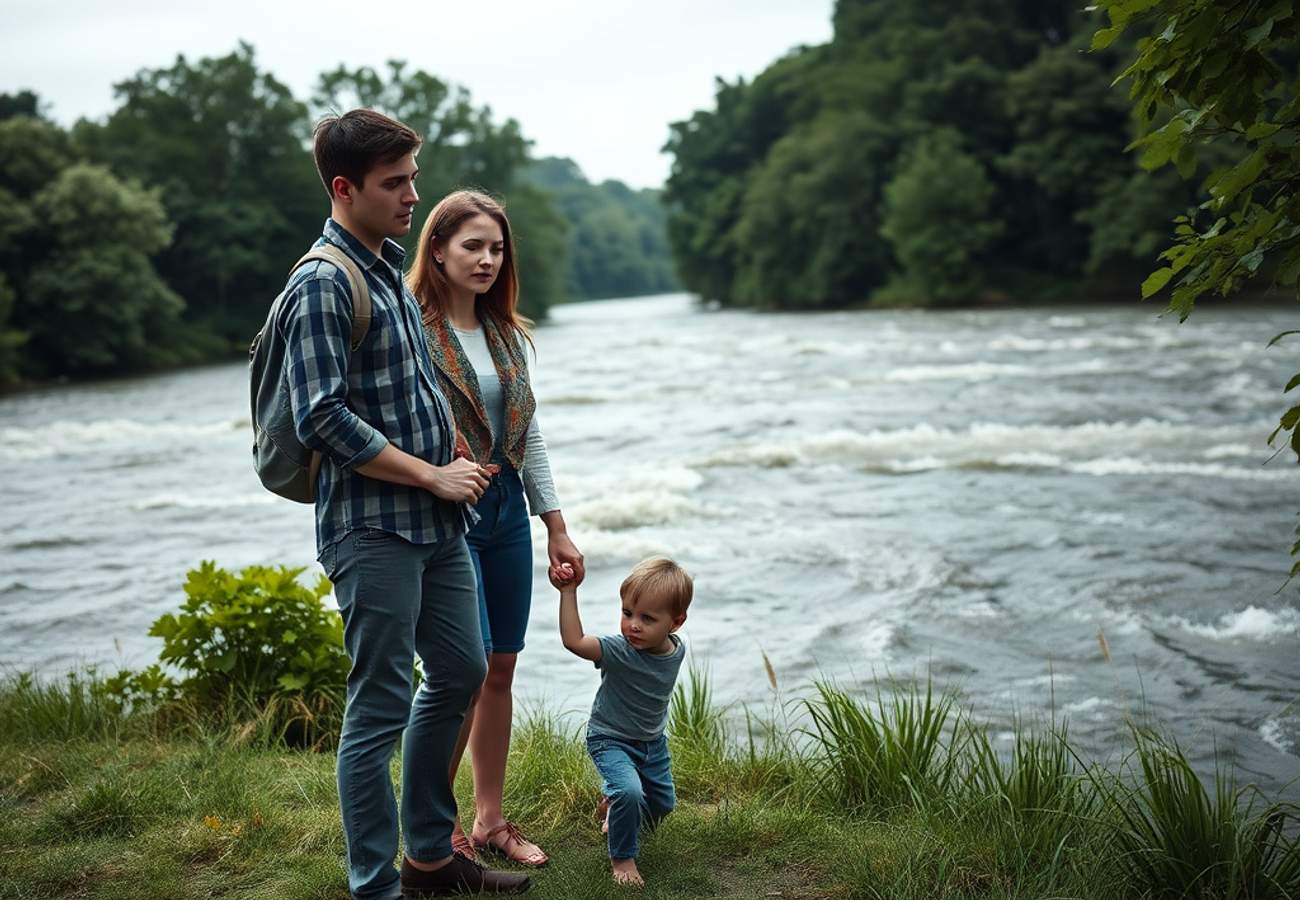
Image generated by AI
A family recreational outing on the Scioto River near Powell, Ohio, resulted in five fatalities after an improvised rescue attempt failed. Two children survived the incident, which underscores the lethal risks associated with inland waterway currents during the peak summer travel season.
The tragedy unfolded north of Columbus when one member of a visiting group began struggling in the water. In a rapid sequence of events, several companions entered the river to assist the swimmer, only to be overwhelmed by the current themselves. This chain reaction transformed a swimming emergency into a mass-casualty event.
Emergency responders recovered two women on Sunday, both of whom were pronounced dead after arrival at the hospital. Following an extensive search operation involving specialist teams, the bodies of three men were recovered the following day, bringing the total death toll to five.
The incident was reported to 911 by a child under the age of ten who managed to reach a nearby roadway and alert passing motorists. Both surviving children have since been placed in the care of family services. Local authorities have stated there is currently no evidence of criminal activity or foul play.
Flight and Regional Impact Breakdown
While this is a terrestrial incident, the tragedy impacts regional tourism and outdoor recreation corridors in Central Ohio.
- Affected Location: Scioto River, north of Columbus (Powell, Ohio).
- Waterway Scale: The Scioto River extends approximately 231 miles (372 kilometres) before joining the Ohio River.
- Casualty Count: 5 fatalities (2 women, 3 men); 2 child survivors.
- Operational Response: Multi-agency coordination involving swift-water rescue technicians, dive teams, and sonar equipment.
River Hazard Analysis for Travellers
Our analysis of river environments indicates that inland waterways are dynamic and unpredictable. Unlike swimming pools, rivers present invisible dangers that can escalate in seconds.
| River Hazard | Potential Risk for Travellers |
|---|---|
| Fast-moving currents | Swimmers lose footing and are swept downstream rapidly |
| Uneven riverbeds | Sudden drop-offs trigger panic in inexperienced swimmers |
| Cold water shock | Rapid breathing and muscle impairment reduce swimming capacity |
| Underwater debris | Submerged trees and obstacles can trap victims |
| Limited visibility | Murky water complicates both self-rescue and official recovery |
| Hydraulic currents | Recirculating water movements can trap victims in place |
Passenger Rights & Safety Advisory (Information Gain)
For travellers engaging in nature-based tourism or adventure travel in the U.S., understanding the legal and safety framework for water activities is essential.
1. Rescue Protocol (The "Reach or Throw" Rule) Industry safety standards dictate that untrained individuals should never enter moving water to perform a rescue. Instead, use the "Reach or Throw" method: extend a branch, rope, or flotation device from the shore. Entering the water without professional equipment frequently results in "double-drowning" scenarios.
2. Liability and Supervision Most inland waterways in the U.S. are "unsupervised," meaning there are no lifeguards on duty. Under most regional laws, individuals entering these waters do so at their own risk. However, travellers should always check for posted safety notices and seasonal advisories from the Ohio Department of Natural Resources.
3. Emergency Response Expectations Recovery in moving water is complex. Currents can transport victims significant distances from the initial incident site, meaning recovery timelines often extend over several days. In the event of an emergency, immediate reporting to 911 is the only viable path to activating swift-water rescue technicians.
Industry Analyst View
This incident highlights a critical gap in "adventure tourism" safety literacy. As domestic tourism shifts toward affordable, nature-based experiences, millions of visitors are accessing waterways without formal training in river hydraulics.
The Scioto River is a primary economic driver for outdoor recreation, supporting kayaking, canoeing, and angling. However, the reliance on "self-guided" exploration increases the burden on emergency services. For carriers and tour operators promoting regional Ohio excursions, there is an urgent need to integrate mandatory safety briefings regarding river currents and the dangers of instinctive rescue attempts into their itineraries.
The tragedy serves as a stark reminder that natural waterways are not predictable swimming environments.
Related Travel Guides
Disclaimer
This article is for informational and educational purposes only. It does not constitute legal, financial, or professional advice. While we strive to provide accurate and up-to-date information, travel policies, regulations, and conditions change rapidly. Always verify information with official sources before making travel decisions. Nomad Lawyer makes no representations about the accuracy, reliability, completeness, or suitability of the information provided. Readers should consult qualified professionals for advice specific to their circumstances. The views expressed in this article are those of the author and do not necessarily reflect the views of Nomad Lawyer.
Preeti Gunjan
Contributor & Community Manager
A passionate traveller and community builder. Preeti helps grow the Nomad Lawyer community, fostering engagement and bringing the reader experience to life.
Learn more about our team →