
FitsAir Launches Direct Ahmedabad to Colombo Flights to Capture Surging Indian Outbound Tourism 2026
Sri Lankan carrier FitsAir has established a new direct air bridge between Ahmedabad and Colombo, targeting high-growth secondary markets in India to boost tourism arrivals.

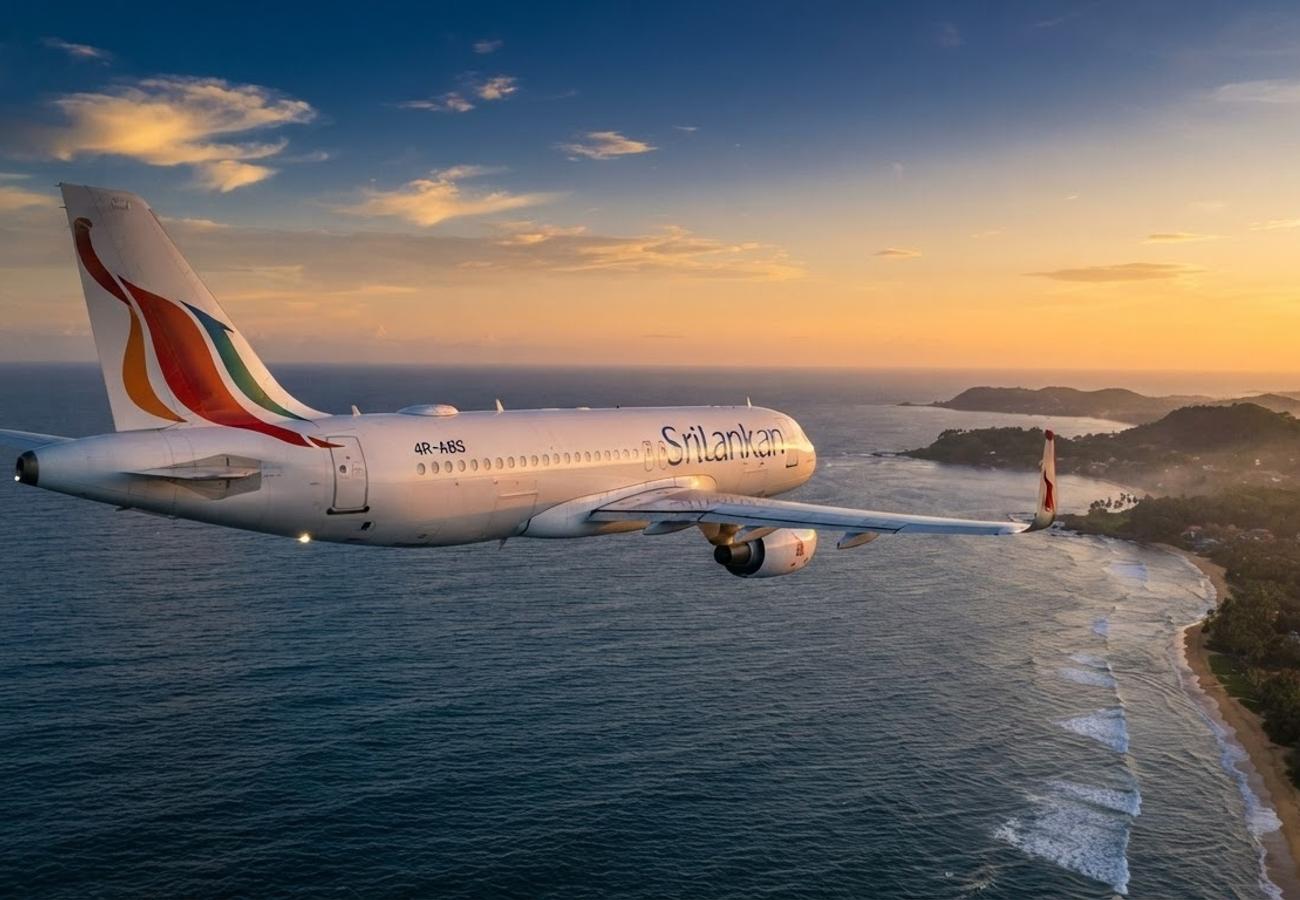
Image generated by AI
Sri Lankan airline FitsAir has introduced non-stop flights between Ahmedabad and Colombo, slashing travel times for passengers from western India as outbound tourism to the island nation hits new peaks.
The new service establishes a critical link between Sardar Vallabhbhai Patel International Airport and Bandaranaike International Airport, removing the need for travelers to transit through major hubs like Delhi, Mumbai, or Bengaluru. This strategic expansion comes as Sri Lankan authorities seek to diversify their visitor base by targeting affluent tier-two cities in India.
Direct Air Connectivity Reduces Transit Times
According to published flight schedules, the Ahmedabad to Colombo route operates three times per week. FitsAir is deploying Airbus A320 narrow-body aircraft for these operations, a move designed to balance capacity with the specific demand profiles of the Gujarat region.
The impact on traveler convenience is substantial. Industry data indicates that the non-stop flight reduces the total journey time to approximately three hours. Previously, passengers relying on connecting flights faced travel durations of roughly eight hours. The timing of these flights is specifically engineered to allow passengers to reach Sri Lankan resort areas or connect to further international destinations via the Colombo hub on the same day.
This launch is not an isolated event but part of a coordinated effort by Sri Lankan aviation and tourism stakeholders. By opening direct gateways in secondary Indian cities, the industry is capitalizing on the increasing disposable income and travel appetite of populations outside India's traditional metropolitan centers.
India Remains the Primary Driver of Sri Lankan Tourism
Data from the Sri Lanka Tourism Development Authority confirms that India continues to be the most significant source market for the island's tourism sector. Historically, Indian visitors have accounted for approximately 20% of all arrivals.
The recovery trajectory has been steep following the global pandemic and Sri Lanka's internal economic challenges. In 2024, the country welcomed more than 400,000 Indian visitors. This momentum accelerated into 2025, with reports showing that Indian arrivals surpassed the half-million mark.
Despite these impressive numbers, aviation analysts point out a massive untapped opportunity. Current investment notes suggest that Sri Lanka currently captures only about 1% of the total Indian outbound travel market. This indicates that while India is the top source, there is significant room for growth if connectivity is expanded and tourism products are further tailored to Indian preferences.
Stimulating Religious and Business Travel in Gujarat
The selection of Ahmedabad as a new destination is a calculated move to tap into the specific demographics of Gujarat. Beyond general leisure travel to beaches and tea plantations, the route is expected to fuel a surge in religious tourism.
Gujarat hosts a substantial community of pilgrims interested in Buddhist heritage and the Ramayana circuit. Sri Lanka has been aggressively promoting these spiritual sites, and the removal of transit hurdles is expected to lead to more structured, high-volume pilgrimage itineraries.
Beyond faith-based travel, the direct link serves a vital economic purpose. Gujarat’s industrial strength in textiles, chemicals, and pharmaceuticals creates a natural demand for business travel. Industry observers suggest that a direct "air bridge" will facilitate more frequent trade missions and face-to-face corporate engagement between Gujarati entrepreneurs and Sri Lankan partners.
Competitive Dynamics in the India-Sri Lanka Corridor
FitsAir enters a competitive environment dominated by established players. SriLankan Airlines maintains a comprehensive network across India, while the low-cost carrier IndiGo already provides robust connectivity between Colombo and the primary metros of Chennai, Bengaluru, Delhi, and Mumbai.
To differentiate itself, FitsAir is focusing on "under-served" regions. The deployment of the Airbus A320 on the Ahmedabad route allows the airline to keep operating costs low and fares competitive—a necessity when targeting the price-sensitive Indian outbound market.
The strategy focuses on three primary segments:
- Organized package-tour groups
- Independent leisure travelers (FITs)
- Small-to-medium enterprise (SME) business travelers
Strategic Promotions and Economic Targets
To ensure the viability of the new route, Sri Lankan tourism bodies and private agencies are launching tailored promotional packages. These include bundled deals featuring airfares, hotel stays, and curated sightseeing tours designed to attract middle-class Indian families.
These efforts align with Sri Lanka's broader macroeconomic goals. The government has set ambitious targets for annual visitor numbers and multi-billion-dollar foreign exchange earnings to stabilize the national economy. India is viewed as the cornerstone of this strategy.
On the demand side, travelers in western India are increasingly looking for international alternatives to domestic seaside resorts. Sri Lanka’s perceived value for money, combined with its diverse wildlife and heritage offerings, makes it a primary candidate for this shifting travel behavior.
Route Summary and Operational Details
| Detail | Specification |
|---|---|
| Airline | FitsAir |
| Origin | Ahmedabad (AMD) - Sardar Vallabhbhai Patel International Airport |
| Destination | Colombo (CMB) - Bandaranaike International Airport |
| Aircraft Model | Airbus A320 |
| Frequency | 3 Times Per Week |
| Estimated Flight Time | ~3 Hours (Non-stop) |
| Previous Transit Time | ~8 Hours (via Hubs) |
Why This Matters: The Impact on the Modern Traveler
For the traveler, the launch of this route represents a shift from "planned excursions" to "spontaneous getaways." When a journey is reduced from eight hours to three, the psychological barrier to visiting a destination drops significantly.
From a logistical standpoint, this removes the "hub-and-spoke" fatigue. Travelers no longer need to navigate the chaos of Mumbai or Delhi airports, reducing the risk of missed connections and baggage loss. For the business traveler in Gujarat, the ability to conduct a day-trip or a short 48-hour visit to Colombo transforms the feasibility of regional trade.
Furthermore, the focus on tier-two cities signals a democratization of international travel in India. It suggests that airlines are no longer viewing the "Indian Market" as a monolith centered in Delhi or Mumbai, but as a fragmented landscape of regional wealth centers.
The expansion of direct links from Gujarat suggests a new era of regional connectivity that could redefine tourism flows in the Indian Ocean.
Related Travel Guides
Disclaimer
This article is for informational and educational purposes only. It does not constitute legal, financial, or professional advice. While we strive to provide accurate and up-to-date information, travel policies, regulations, and conditions change rapidly. Always verify information with official sources before making travel decisions. Nomad Lawyer makes no representations about the accuracy, reliability, completeness, or suitability of the information provided. Readers should consult qualified professionals for advice specific to their circumstances. The views expressed in this article are those of the author and do not necessarily reflect the views of Nomad Lawyer.
Preeti Gunjan
Contributor & Community Manager
A passionate traveller and community builder. Preeti helps grow the Nomad Lawyer community, fostering engagement and bringing the reader experience to life.
Learn more about our team →