
Fiji Flights Getting Pricey: Fuel Costs Hit Travelers
Fiji Airways and Air New Zealand raise fares as fuel surcharges bite. Travelers from Japan, China, India, US, and UK face steeper ticket prices to paradise.

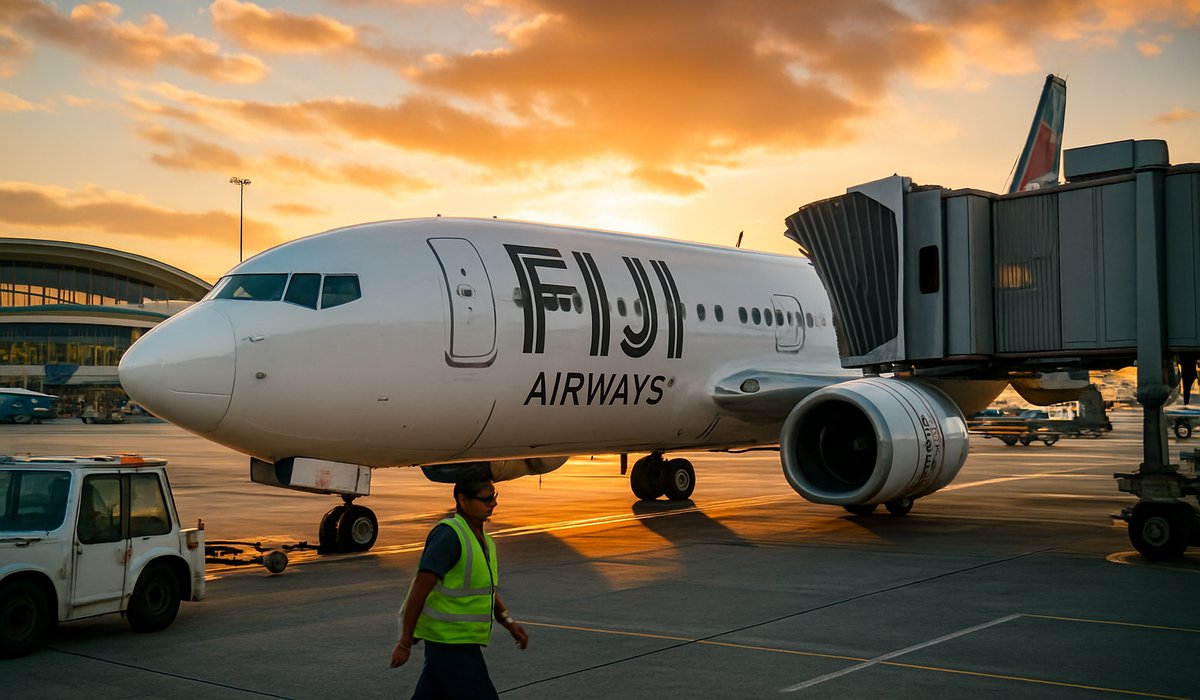
Image generated by AI
Dreaming of turquoise lagoons and white-sand beaches in Fiji? Your wallet might need some serious preparation. Major carriers operating routes to this South Pacific paradise are tightening their belts—and yours—as volatile fuel prices reshape the economics of long-haul travel.
Travelers from major source markets including Japan, China, India, the United States, and the United Kingdom are discovering that getting to Fiji now comes with a significantly higher price tag. This isn't a temporary blip; it's a structural shift in how airlines price international routes to the island nation.
Why Fiji Flights Are Becoming More Expensive
The culprit behind rising airfares to Fiji is straightforward: jet fuel costs. Airlines operating long-haul routes to remote destinations like Fiji face particularly acute pressure because fuel represents their single largest operating expense. When global oil prices spike, these costs cascade directly to passengers.
Fiji Airways, the national carrier and primary operator on routes from major Asian and North American markets, has implemented multiple fare adjustments over recent months. Similarly, Air New Zealand, which connects Fiji to Australia, North America, and beyond, has added fuel surcharges to maintain operational margins.
The mathematics are brutal. A single wide-body aircraft burning thousands of gallons per hour across 12-16 hour transpacific routes means that even modest per-gallon increases translate into thousands of dollars in additional costs per flight.
Which Travelers Are Hit Hardest?
The impact isn't evenly distributed. Certain markets face steeper increases than others:
- Japanese travelers: Heavy demand from Tokyo and Osaka means limited negotiating power; fares have climbed 15-25% year-over-year
- Chinese visitors: Despite strong leisure demand, carriers have raised prices to offset fuel volatility
- Indian passengers: Longer routing options mean fewer competitive alternatives, pushing prices upward
- US-based travelers: West Coast routes from Los Angeles and San Francisco have seen consistent surcharge additions
- UK visitors: The longest routes from London require maximum fuel loads, resulting in the highest absolute fares
What Airlines Are Doing to Manage Costs
Rather than absorb fuel expenses, carriers have adopted a multi-pronged strategy:
- Explicit fuel surcharges added to base fares at booking
- Dynamic pricing models that adjust fares based on real-time fuel costs
- Route optimization to reduce flight times where possible
- Fleet modernization with more fuel-efficient aircraft (a longer-term solution)
- Ancillary revenue expansion through baggage fees and seat selection charges
Fiji Airways has been particularly transparent about these adjustments, publishing fuel surcharge schedules on their website. Air New Zealand has similarly communicated changes through their booking system, though the cumulative impact on final ticket prices can be eye-opening.
The Broader Travel Industry Context
This isn't unique to Fiji routes. Airlines globally are grappling with fuel cost volatility. However, remote island destinations like Fiji are especially vulnerable because:
- Limited alternative routing options reduce competitive pressure
- Longer distances mean proportionally higher fuel consumption
- Smaller passenger bases mean costs can't be spread across as many tickets
- Seasonal demand fluctuations make year-round pricing complex
The International Air Transport Association (IATA) has warned that fuel costs will remain a significant headwind for airline profitability throughout 2026 and beyond.
Smart Strategies for Budget-Conscious Fiji Travelers
If you're determined to reach Fiji without breaking the bank, consider these approaches:
Book during shoulder seasons (April-May, September-October) when demand dips and airlines offer competitive pricing to fill seats.
Fly mid-week rather than weekends; Tuesday and Wednesday departures typically cost 10-20% less than Friday-Sunday options.
Consider connecting flights through hubs like Sydney, Auckland, or Honolulu; sometimes the savings on base fares outweigh the inconvenience of an extra stop.
Set up price alerts on Google Flights, Kayak, or directly with airlines to catch temporary price drops.
Book further in advance when possible; international flights typically show their lowest fares 2-3 months before departure.
Explore package deals that bundle flights with accommodation; tour operators sometimes negotiate better rates than individual travelers can secure.
Looking Ahead: Will Prices Come Down?
The honest answer: probably not significantly in the near term. Fuel prices remain volatile, and airlines have learned that passengers will pay premium prices for tropical island destinations. Once fares rise, they rarely return to previous levels even if input costs decline.
However, several factors could provide modest relief:
- Improved fuel efficiency as newer aircraft enter service
- Potential oil price stabilization if geopolitical tensions ease
- Increased competition if new carriers launch Fiji routes
- Seasonal promotions during traditionally slower travel periods
The Bottom Line for Fiji-Bound Travelers
Expensive Fiji flights are the new reality for international visitors. Rather than waiting for prices to drop, savvy travelers should focus on maximizing value through strategic booking timing, flexible travel dates, and alternative routing options.
The South Pacific paradise remains worth the investment—but smart planning is now essential. Budget an extra 20-30% compared to pre-2024 pricing, book strategically, and consider whether traveling during shoulder seasons aligns with your schedule.
Your Fiji adventure awaits, but the ticket to get there will cost more than it used to. Plan accordingly, and you'll still find the experience unforgettable.
Related Travel Guides
- Breaking Airline News: Cayman Airways Deploys Friday Panama Bypass to Shield Summer Travelers from Caribbean Travel Chaos
- American Airlines Launches Provisions Express Lounge at JFK Terminal 8
- ASL Airlines Australia Acquires Airwork Freight Operations to Prevent Trans-Tasman Airport Disruptions and Logistics Travel Chaos with Enhanced ACMI Services: New Airline News and Aviation Updates
Disclaimer
This article is for informational and educational purposes only. It does not constitute legal, financial, or professional advice. While we strive to provide accurate and up-to-date information, travel policies, regulations, and conditions change rapidly. Always verify information with official sources before making travel decisions. Nomad Lawyer makes no representations about the accuracy, reliability, completeness, or suitability of the information provided. Readers should consult qualified professionals for advice specific to their circumstances. The views expressed in this article are those of the author and do not necessarily reflect the views of Nomad Lawyer.
Raushan Kumar
Founder & Lead Developer
Full-stack developer with 11+ years of experience and a passionate traveller. Raushan built Nomad Lawyer from the ground up with a vision to create the best travel and law experience on the web.
Learn more about our team →