
Fighter Jets Destroyed in Idaho Collision: $140M Navy Loss
Two Navy EA-18G Growler fighter jets destroyed after colliding mid-air during Idaho air show on May 17, 2026. Combined loss exceeds $140 million, though all four pilots safely ejected.

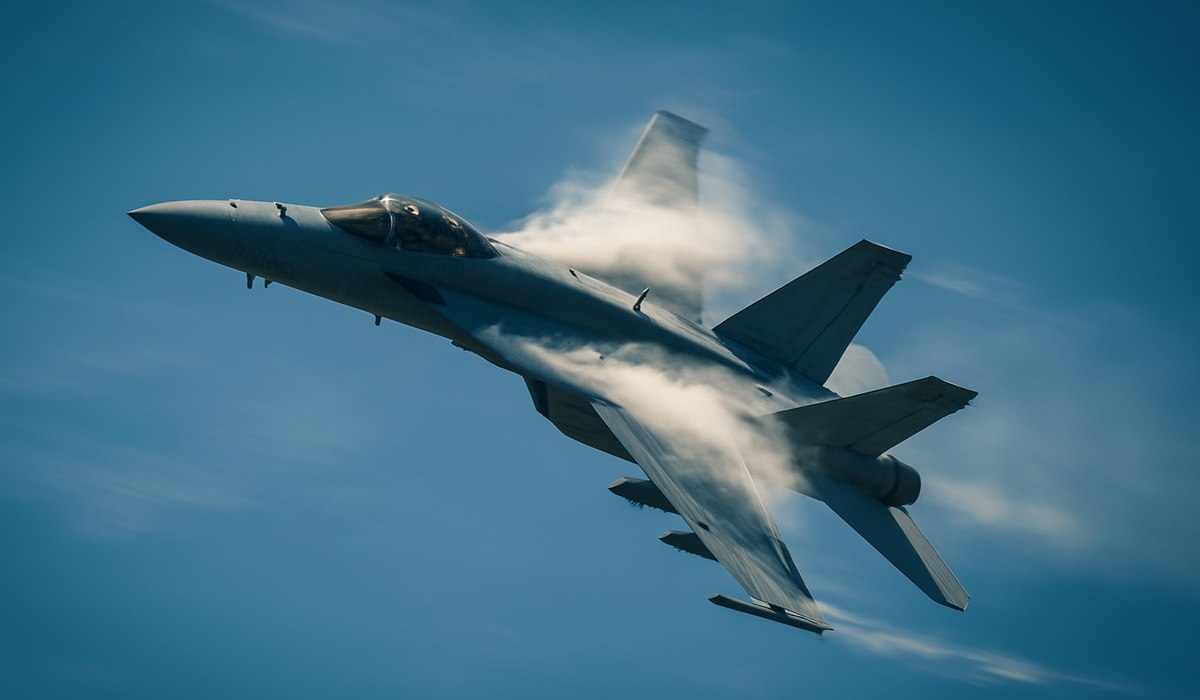
Image generated by AI
Fighter Jets Destroyed During Idaho Air Show Demonstration
Two Navy EA-18G Growler fighter jets collided mid-air during the "Gunfighter Skies" air show at Mountain Home Air Force Base in Idaho on May 17, 2026. Both aircraft were completely destroyed in the incident, making it one of the costliest non-combat aviation losses in recent Navy history. The collision occurred while pilots performed a coordinated aerial demonstration. All four aviators aboard both jets successfully ejected and survived the crash without serious injuries. The combined value of the destroyed fighter jets exceeded $140 million, raising significant questions about military aviation safety protocols during public air show performances.
The Incident: What Happened at Mountain Home Air Force Base
The "Gunfighter Skies" air show proceeded as scheduled on the afternoon of May 17, 2026, at Mountain Home Air Force Base near Mountain Home, Idaho. Two EA-18G Growler electronic attack jets participated in a coordinated aerobatic demonstration designed to showcase Navy aviation capabilities to spectators. During the maneuver, both aircraft collided mid-air, and both experienced immediate catastrophic damage. All four pilots—two from each jet—rapidly deployed parachutes and ejected safely from their aircraft. Emergency responders and medical personnel stationed at the air show base provided immediate assistance to the aviators upon their landing. This incident marks one of the most significant losses of military aircraft during a public demonstration in recent memory.
Fighter jets destroyed in such circumstances raise urgent questions about demonstration protocols and safety margins. The EA-18G Growler serves as the Navy's primary electronic warfare aircraft, designed for jamming enemy radar systems and providing electronic countermeasures. Each aircraft requires years of specialized training for pilots and millions of dollars in support infrastructure.
Financial Impact and Military Aviation Costs
The loss of two EA-18G Growler jets represents nearly $140 million in combined aircraft value. Each fighter jet costs approximately $70 million to manufacture and deploy, not accounting for decades of operational expenses, maintenance, pilot training, and ground support infrastructure. This single incident has become one of the most expensive non-combat aviation losses involving the Navy in recent years.
The financial implications extend beyond aircraft replacement costs. The Navy must account for lost equipment, specialized avionics systems, and highly trained personnel resources. Military aviation represents significant national investment. Fighter jets destroyed during training or demonstration represent losses that impact defense budgets and readiness assessments. The Pentagon typically absorbs these costs through existing military appropriations, though catastrophic losses sometimes trigger budget reviews and safety protocol revisions.
Recovery operations, investigation costs, wreckage removal, and subsequent safety improvements add additional expenses. The Navy's decision-making process following such incidents often results in temporary suspensions of similar demonstrations until safety protocols receive comprehensive review and authorization.
Pilot Safety and Emergency Response
One of the most critical aspects of this incident centers on pilot safety and emergency ejection systems. All four aviators aboard the fighter jets destroyed in the collision successfully ejected and were recovered safely. Modern military aircraft like the EA-18G Growler feature advanced ejection seats capable of functioning across extreme altitude and speed parameters.
Emergency protocols at Mountain Home Air Force Base functioned effectively during the crisis. Medical personnel, search and rescue teams, and ground support staff responded immediately to assist ejecting pilots. The base's established procedures for air show demonstrations included dedicated medical units, rescue helicopters, and communication networks positioned to handle emergencies. Rapid response systems prevented injuries from escalating into more serious outcomes.
The successful pilot recovery demonstrates the critical importance of mandatory ejection system maintenance, pilot training, and emergency preparedness at military installations. Ejection seats represent some of the most sophisticated life-saving technology in aviation, capable of protecting aviators during catastrophic aircraft failures.
Investigation and Future Air Show Protocols
Following the May 17, 2026 incident, military investigators immediately began examining the circumstances surrounding the collision between the two fighter jets destroyed during the demonstration. The Naval Safety and Readiness Review Board (NSRRB) initiated a comprehensive investigation to determine causation factors, pilot actions, communication protocols, and system failures that may have contributed to the collision.
Air show safety protocols will likely undergo significant revision. The Navy may implement increased separation distances between demonstration aircraft, modified aerobatic maneuver parameters, or expanded exclusion zones for civilian spectators. Previous investigations into military aviation incidents frequently resulted in enhanced training requirements, updated operational procedures, and technology modifications.
Public confidence in military air shows depends on transparent safety management and demonstrated commitment to preventing future incidents. The investigation's findings will shape demonstration protocols for years ahead. Military branches regularly suspend or modify air show activities pending comprehensive safety reviews following significant incidents.
Air Show Impact on Idaho Tourism
Mountain Home Air Force Base located in southwestern Idaho attracts thousands of spectators annually to air show demonstrations. The facility showcases advanced military aviation capabilities while supporting regional tourism and economic activity. The incident on May 17, 2026, occurred during what should have been a routine promotional event celebrating military excellence.
Air shows generate substantial revenue for surrounding communities through hotel occupancy, restaurant meals, and visitor spending. The incident may impact future attendance and scheduling decisions for public demonstrations at the base. Military installations balance public engagement through air shows against safety considerations and liability concerns.
The fighter jets destroyed during this demonstration highlight the inherent risks associated with advanced aerobatic maneuvers, even when conducted by highly trained military pilots. Community relations and public outreach remain important military functions, yet safety considerations must supersede demonstration objectives.
Key Data: Fighter Jets Destroyed Incident Summary
| Metric | Details |
|---|---|
| Event Date | May 17, 2026 |
| Location | Mountain Home Air Force Base, Idaho |
| Aircraft Type | EA-18G Growler (Electronic Attack Jet) |
| Number of Aircraft Destroyed | 2 |
| Total Aircraft Value | $140 million combined (~$70 million each) |
| Aircrew Aboard | 4 total (2 per jet) |
| Pilot Injuries | None reported |
| Ejection Success Rate | 100% (4 of 4 aviators recovered safely) |
| Incident Classification | Non-combat aviation loss |
| Investigation Authority | Naval Safety and Readiness Review Board |
| Air Show Status | Continued with modified schedule |
What This Means for Travelers
The incident at Mountain Home Air Force Base raises awareness about military air show safety and decision-making processes that protect spectators and participants. If you're planning to attend air shows or military demonstrations, consider these important travel considerations:
-
Verify Safety Protocols: Before attending any air show, research the facility's safety record, emergency procedures, and spectator protection measures. Contact organizers directly to understand how they've implemented safety improvements following previous incidents.
-
Understand Accident Frequency: Military aviation incidents remain statistically rare compared to civilian flights. Fighter jets destroyed during demonstrations represent exceptions rather than normal operational outcomes. Modern military aircraft and pilot training standards remain exceptionally high.
-
Check Event Modifications: The investigation following the May 17 collision will likely result in modified demonstration procedures. Check updated event websites for changes to aircraft participation, flight patterns, or scheduling that reflect new safety protocols.
-
Plan Ground Positioning: Choose viewing areas positioned at safe distances from demonstration flight paths. Air show officials establish spectator zones based on safety analysis and pilot maneuvering requirements.
-
Monitor Weather Conditions: Air shows may be postponed or modified based on weather. Check forecasts and contact organizers before traveling to ensure events proceed as scheduled.
-
Review Travel Insurance: Consider travel insurance that covers event cancellations or modifications, particularly for trips specifically planned around military air show attendance.
Frequently Asked Questions
What type of aircraft were involved in the Idaho collision?
The fighter jets destroyed during the Mountain Home Air Force Base incident were EA-18G Growler electronic attack aircraft. These jets serve the Navy's electronic warfare mission, providing jamming and radar countermeasure capabilities
Disclaimer
This article is for informational and educational purposes only. It does not constitute legal, financial, or professional advice. While we strive to provide accurate and up-to-date information, travel policies, regulations, and conditions change rapidly. Always verify information with official sources before making travel decisions. Nomad Lawyer makes no representations about the accuracy, reliability, completeness, or suitability of the information provided. Readers should consult qualified professionals for advice specific to their circumstances. The views expressed in this article are those of the author and do not necessarily reflect the views of Nomad Lawyer.
Preeti Gunjan
Contributor & Community Manager
A passionate traveller and community builder. Preeti helps grow the Nomad Lawyer community, fostering engagement and bringing the reader experience to life.
Learn more about our team →