
FedEx MD-11 Tri-Jet Workhorse Set for Historic Return After Critical Boeing Hardware Fix; Safety Scrutiny Intensifies Following 2025 UPS Crash as Cargo Capacity Surges in May 2026
FedEx is preparing to return its iconic McDonnell Douglas MD-11 tri-jets to the skies following a comprehensive safety overhaul. The aircraft, grounded after a fatal UPS incident in 2025, have received a critical engine pylon fix from Boeing, signaling a major boost for global cargo capacity.

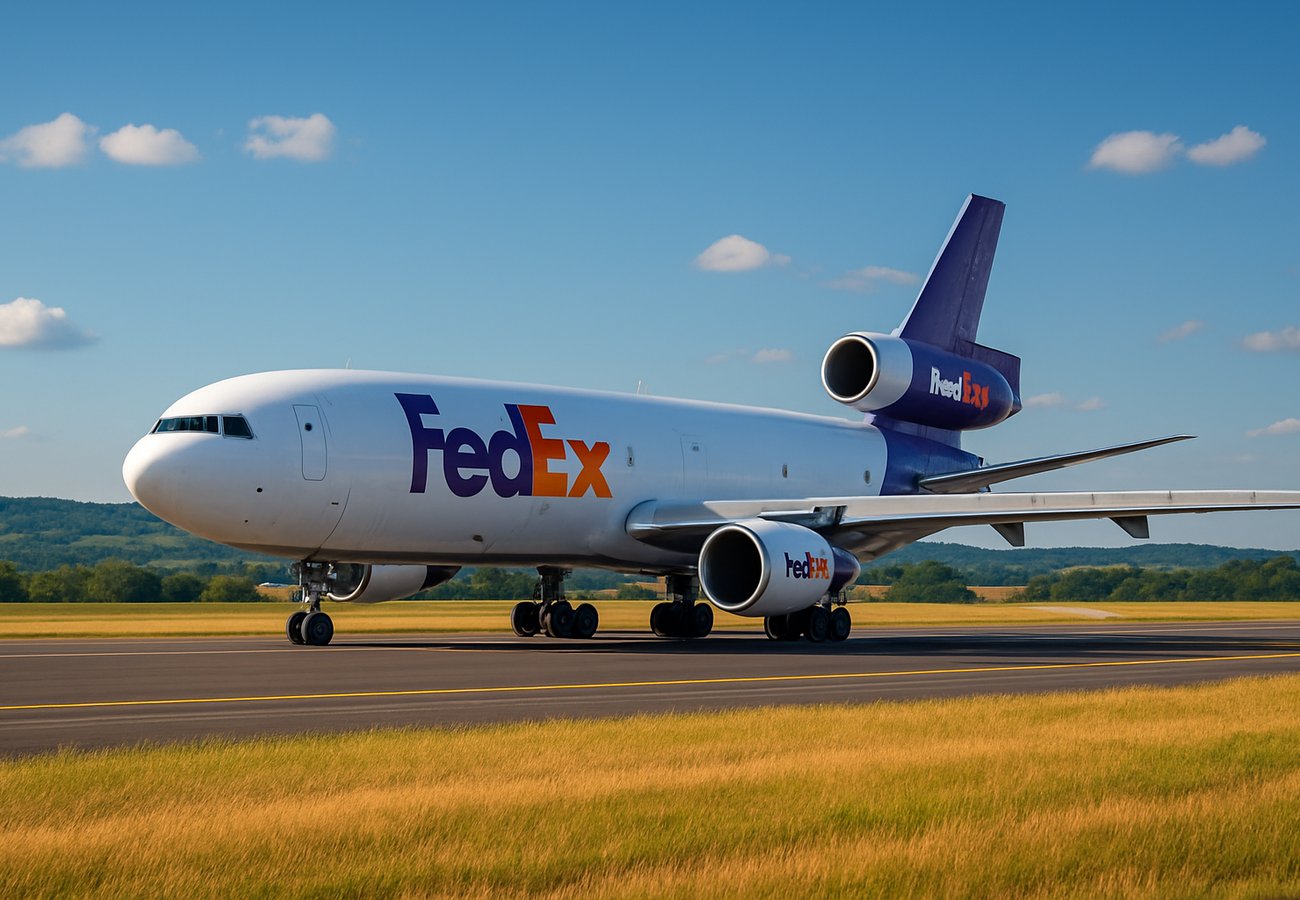
The tri-jet returns: FedEx prepares its 28-strong MD-11 fleet for a high-stakes comeback.
FedEx MD-11 Tri-Jet Set for High-Stakes Comeback After Critical Boeing Hardware Fix; Safety Protocols Overhauled Following Tragic 2025 UPS Incident as Global Cargo Demand Soars
In a development that has sent ripples through the global logistics and aviation sectors, FedEx has officially announced the impending return of its iconic McDonnell Douglas MD-11 tri-jets. This move follows a period of intense safety scrutiny and a comprehensive grounding that was triggered by the fatal UPS Airlines crash in November 2025. To address the root cause of that tragedy—fatigue cracks in the engine pylons—Boeing has engineered a critical hardware fix that involves the replacement of bearings in the aft mounts. This airline news update confirms that with regulatory approval from the Federal Aviation Administration (FAA) now on the horizon, FedEx is poised to reactivate its 28-strong MD-11 fleet, providing a massive infusion of capacity into a global cargo network currently strained by the e-commerce surge of May 2026.
The return of the MD-11 represents a significant "Restoration Milestone" for the industry. While the tri-jet remains a beloved workhorse for its massive long-haul capacity, its future was briefly in doubt as safety investigators probed the integrity of its three-engine design. As FedEx engineers prepare to implement Boeing’s fix, the focus is squarely on "Operational Resilience," ensuring that these aging but essential aircraft can once again bridge the gap between continents without the specter of the airport disruptions and technical failures that led to their temporary retirement.
Expanded Overview: The Engineering Fix and the 2025 Legacy
The grounding of the MD-11 and DC-10 fleets in late 2025 was a watershed moment for the cargo industry. The investigation into the UPS crash revealed a significant vulnerability: fatigue cracks in the left engine pylon that led to a catastrophic engine loss during flight. This aviation update identifies that Boeing’s solution is not just a patch but a fundamental reinforcement of the pylon-to-wing attachment system. By replacing the bearings and implementing a more rigorous inspection protocol, FedEx is betting on the MD-11 to remain a competitive asset for years to come.
For the global market, the return of 28 heavy freighters is a critical development. The e-commerce boom of 2026 has created an insatiable demand for wide-body lift, particularly on transpacific and transatlantic corridors. By bringing the MD-11 back into service, FedEx is avoiding the travel chaos of the logistics world—shipping delays and capacity bottlenecks—ensuring that time-sensitive goods can continue to move at the speed of modern commerce.
Section-Wise Breakdown: The Path to Restoration
The UPS Crash Legacy: Why the Fleet was Grounded
The November 2025 UPS incident was a sobering reminder of the challenges of maintaining aging wide-body fleets. The loss of life and aircraft prompted an immediate FAA-mandated grounding across the tri-jet sector. Investigators focused on the "structural integrity of the engine pylons," leading to the discovery that certain load-bearing components were susceptible to microscopic fatigue cracking over thousands of flight cycles. This discovery effectively halted the operations of one of the world's most recognizable cargo aircraft.
Boeing’s Engineering Solution: Bearings and Stability
To resolve the crisis, Boeing developed a "Critical Hardware Fix" centered on the aft mount bearings. These components are essential for absorbing the massive thrust loads generated by the MD-11’s engines. The new hardware is designed to be more resilient to the vibrational stresses that caused the 2025 cracks. FedEx’s in-house maintenance teams are currently being trained to execute these updates, which also include a comprehensive non-destructive testing (NDT) sweep of the entire pylon attachment system.
Strategic Divergence: FedEx vs. UPS
Interestingly, the two giants of the US cargo industry are taking divergent paths. While FedEx is investing in the restoration of its MD-11s, UPS has accelerated its retirement plans. UPS has officially announced that it will phase out its entire MD-11 fleet by 2027, opting instead for the newer, twin-engine Boeing 767 freighters. This move highlights the industry’s broader shift toward twin-engine efficiency, yet FedEx’s decision to maintain its 28 tri-jets shows that for certain high-capacity routes, the MD-11’s payload remains unmatched.
FedEx MD-11 Technical Restoration Profile: May 2026
The following table summarizes the key components of the MD-11 return-to-service program.
FedEx MD-11: Safety Overhaul and Operational Metrics
| Component | Detail | Strategic Impact |
|---|---|---|
| Fleet Size | 28 Aircraft | High-Capacity Long-Haul Lift |
| Hardware Fix | Aft Mount Bearing Replacement | Pylon Structural Integrity |
| Primary Engineer | Boeing (Official Fix) | Regulatory Compliance |
| Approval Status | FAA Pending/Optimistic | Imminent Return to Service |
| Cause of Grounding | Nov 2025 UPS Crash | Safety-Driven Inactivity |
| Operational Focus | International E-Commerce | Meeting Surging Global Demand |
| Rival Strategy | UPS Retirement (2027) | Market Share Opportunity |
Shipping and Trade Impact: Alleviating the Capacity Squeeze
While the MD-11 is a cargo aircraft, its impact on the average consumer is profound. The return of these 28 jets will directly alleviate the "Shipping Bottlenecks" that have plagued international trade since the 2025 grounding. For businesses relying on just-in-time manufacturing and for consumers expecting rapid delivery of international goods, the MD-11’s return means fewer delays and potentially lower shipping costs as capacity finally meets demand.
Furthermore, the increased availability of FedEx’s heavy lift allows the company to reallocate its newer Boeing 777 freighters to even longer-haul corridors, creating a more efficient global "Spoke and Hub" system. This reduction in operational strain is essential for preventing the airport disruptions that can occur at major cargo hubs like Memphis or Louisville when fleets are under-strength.
Industry Analysis: The Future of Tri-Jets in a Twin-Engine World
Aviation analysts view FedEx’s commitment to the MD-11 as a "Calculated Bridge." While the industry is undeniably moving toward twin-engine aircraft like the Boeing 777F and Airbus A350F, the MD-11 provides a unique combination of payload and cost-effectiveness for routes where the infrastructure is already in place. By implementing the Boeing fix, FedEx is extending the life of a "Paid-For" asset, avoiding the massive capital expenditure of a full fleet replacement in a high-interest-rate environment.
"FedEx is proving that with the right engineering and safety scrutiny, older workhorses can still deliver in 2026," says one senior aviation journalist. "The MD-11 is a unique aircraft, and its return provides FedEx with a tactical advantage during this peak demand window, even as UPS moves in a more modern direction."
Conclusion: The Tri-Jet’s Final Stand in Global Logistics
The return of the FedEx MD-11 tri-jets marks a high-stakes moment for the airline and the regulators at the FAA. By addressing the hardware failures of the past with a robust Boeing engineering solution, FedEx is ensuring that one of the most iconic silhouettes in aviation continues to fly the global trade lanes. As the 28 aircraft return to service in May 2026, they represent more than just cargo capacity; they are a testament to the industry's ability to evolve, fix its mistakes, and keep the world's commerce moving. The tri-jet is back, and for FedEx, the timing could not be more perfect.
Key Takeaways
- FedEx MD-11 tri-jets are returning to service after a critical safety grounding.
- Boeing’s hardware fix addresses engine pylon fatigue cracks discovered after the 2025 UPS crash.
- 28 aircraft in the FedEx fleet are slated for reactivation following FAA approval.
- The fix involves replacing bearings in the aft mount of the engine pylons.
- UPS is retiring its MD-11 fleet by 2027, marking a strategic split with FedEx.
- The MD-11's return will boost cargo capacity during the record 2026 e-commerce surge.
- Safety scrutiny remains high, with rigorous test flights and inspections mandatory before each return.
/article-footer-standard
Related Travel Guides:
Disclaimer
This article is for informational and educational purposes only. It does not constitute legal, financial, or professional advice. While we strive to provide accurate and up-to-date information, travel policies, regulations, and conditions change rapidly. Always verify information with official sources before making travel decisions. Nomad Lawyer makes no representations about the accuracy, reliability, completeness, or suitability of the information provided. Readers should consult qualified professionals for advice specific to their circumstances. The views expressed in this article are those of the author and do not necessarily reflect the views of Nomad Lawyer.
Kunal K Choudhary
Co-Founder & Contributor
A passionate traveller and tech enthusiast. Kunal contributes to the vision and growth of Nomad Lawyer, bringing fresh perspectives and driving the community forward.
Learn more about our team →