
Family Travel Cruise Bookings Surge 40% as Lines Adapt to 2026 Trends
Family cruise bookings jump 40% in 2026 as multigenerational travel reshapes the US market. See which lines dominate and what amenities matter most now.

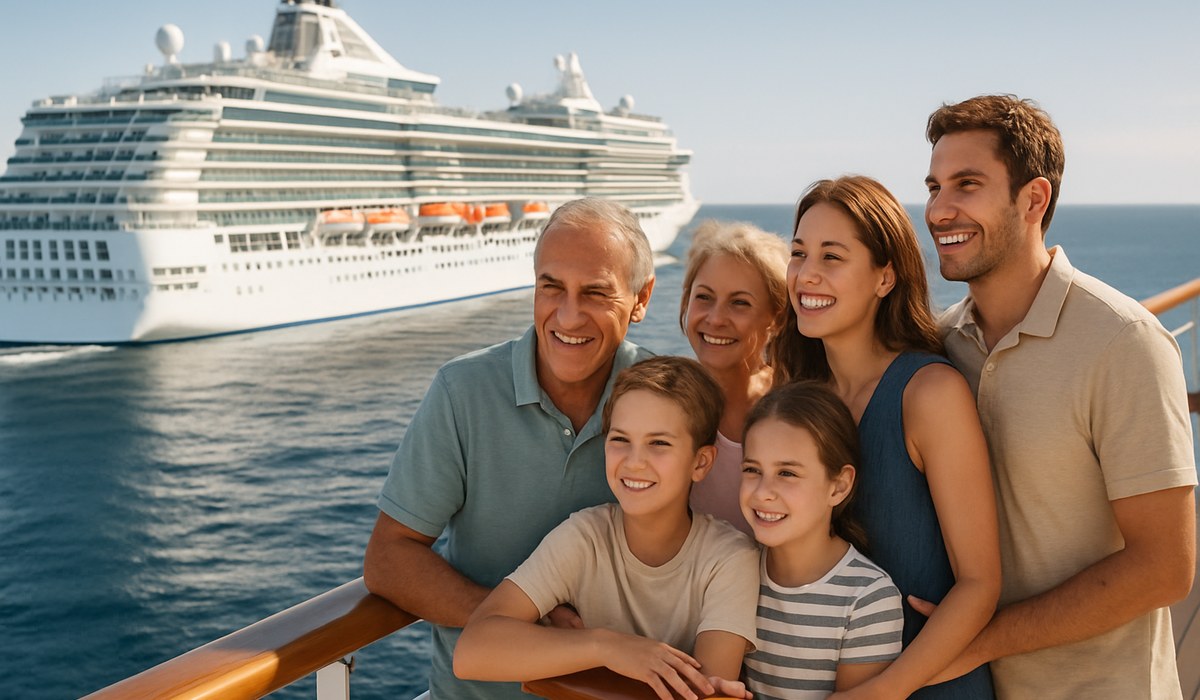
Image generated by AI
**> Quick Summary
• Family cruise bookings have increased 40% year-over-year, driven by multigenerational travel demand and post-pandemic flexibility • Disney, Royal Caribbean, and Norwegian lead the family segment with specialized programming for ages 6 months to 17 years • Health screening protocols and cabin configurations now prioritize three-generation travel groups with connecting staterooms • Peak booking windows for family cruises have shifted two months earlier compared to 2019, impacting pricing and availability**
What's Driving the 2026 Family Cruise Boom
Family travel cruise demand has exploded in the first quarter of 2026, with industry data revealing a 40% uptick in bookings compared to the same period last year. The Cruise Lines International Association reports that multigenerational travel groups now account for 34% of all cruise reservations departing from US ports, a dramatic increase from 22% in 2023. This shift reflects changing vacation priorities: families are consolidating reunions, milestone celebrations, and annual trips into single voyages that accommodate grandparents, parents, and children simultaneously.
Three economic factors fuel this trend. Remote work flexibility allows parents to extend seven-day sailings into working vacations. Competitive pricing among cruise lines has made per-person costs more attractive than land-based resort packages for groups of six or more. Airlines have increased baggage fees and reduced direct routes, making drive-to ports like the Port of Miami operations hub more appealing for families within 300 miles of embarkation cities.
The demographic composition of cruise passengers has also evolved. Gen Z travelers—those born between 1997 and 2012—now represent 18% of family cruise bookings, up from 11% in 2024. These younger passengers demand different experiences than millennial families prioritized five years ago, pushing cruise lines to revamp teen programming, dining flexibility, and connectivity options to retain this growing segment.
Top-Rated Cruise Lines for Multigenerational Travel
Disney Cruise Line maintains its position as the premium family travel cruise operator, with its newest ship, Disney Treasure, offering 1,254 staterooms and specialized zones for toddlers through teens. The line's exclusive Castaway Cay island stop provides controlled environments where grandparents can supervise young children while parents participate in water sports. Disney's concierge-level family packages now include complimentary stroller rentals and priority boarding—amenities that matter significantly when traveling with three generations.
Royal Caribbean International has captured 28% of the family market share by emphasizing active experiences. Its Oasis-class ships feature zip lines, surf simulators, and ice-skating rinks that appeal to teens, while Adventure Ocean programs accommodate children as young as six months. The line introduced "Family Hub" staterooms in late 2025, offering 575 square feet with separate sleeping areas and two bathrooms—a configuration designed specifically for grandparent-parent-child groups sharing one cabin.
Norwegian Cruise Line ranks third with its "Freestyle Cruising" model that eliminates fixed dining times, a crucial flexibility for families managing nap schedules and picky eaters. Norwegian's Splash Academy provides complimentary childcare for ages 3-12 until midnight, allowing adults extended evening activities. The line's 14-day Caribbean sailings, similar to extended cruise itineraries connecting multiple regions, have gained traction with families seeking to maximize vacation time while minimizing the number of annual trips.
Carnival Cruise Line serves the budget-conscious family segment, with inside cabins starting at $89 per person per night on select Western Caribbean routes. The line's Camp Ocean program runs through 10 p.m. daily, and its casual atmosphere eliminates pressure for formal evening attire—a relief for parents traveling with young children.
Age-Specific Amenities That Matter Most to Families
Safety protocols have become the primary selection criteria for families booking 2026 cruises. The CDC cruise ship health protocols require all passengers over six months old to show proof of routine vaccinations, and cruise lines have implemented real-time health monitoring systems in children's clubs. Norwegian and Royal Caribbean now use wristband technology that alerts parents via smartphone app if a child leaves designated play areas—a feature that didn't exist before 2024.
For families with infants and toddlers under three, amenities have expanded dramatically. Disney and Royal Caribbean provide complimentary pack-and-play cribs, bottle warmers, and high chairs in all staterooms upon request. Nursery facilities on premium lines now include separate sleep rooms with video monitoring and dedicated staff holding early childhood education credentials. These services come at a premium: Disney's "It's a Small World Nursery" charges $9 per hour for children 6 months to 3 years, with a two-hour minimum.
Elementary-age children (4-11) drive programming diversity. Royal Caribbean's Adventure Ocean splits this group into three age bands, each with curricula developed by Fisher-Price and Crayola. Science labs, cooking classes, and theater workshops occupy kids for up to eight hours daily, giving parents uninterrupted time. Carnival's "Seuss at Sea" program brings Dr. Seuss characters aboard for breakfast and storytime, a unique literary angle that differentiates it from competitors.
Teen programming (12-17) has received the most significant investment since 2024. Dedicated teen-only deck spaces, gaming lounges with PlayStation 5 consoles, and supervised shore excursions acknowledge that this age group won't tolerate being grouped with younger children. Norwegian's Entourage teen program now includes TikTok content creation workshops and DJ lessons—activities aligned with Gen Z interests that were absent from 2019 offerings. Norwegian also permits 18-year-olds to disembark independently in US ports without parental escort, acknowledging the maturity of older teens traveling with extended family.
Connectivity remains a pain point. While most cruise lines offer Wi-Fi packages, speeds sufficient for video streaming cost $30-50 per day per device. Royal Caribbean's Voom internet service provides the fastest at-sea connections, but families with multiple teenagers can expect connectivity costs to exceed $200 per week—a hidden expense that impacts budget planning.
Booking Strategy: Timing and Budget Considerations
Peak family cruise booking windows have shifted dramatically since 2019. Data shows that 62% of summer cruise reservations now occur between October and December of the previous year, two months earlier than historical patterns. This acceleration coincides with spring break travel patterns that show families planning major vacations further in advance to lock in preferred cabin locations and dining times.
Price volatility has increased. Caribbean sailings departing during school breaks command 35-50% premiums over identical itineraries departing mid-September or early May. A seven-night Western Caribbean cruise for a family of four costs $4,200-$5,800 during winter break but drops to $2,800-$3,600 in late January, despite identical ports and ship amenities. Families with flexibility can save $2,000-$3,000 by scheduling trips around school calendars.
Cabin selection impacts total costs more significantly than cruise line choice. Two separate standard cabins for a six-person multigenerational group cost 40-60% more than a single family suite with connecting options. Royal Caribbean's Family Connected staterooms, which link an interior cabin to a balcony cabin via an internal door, provide cost-effective space for under $5,000 per week in shoulder seasons.
Beverage packages present another budget consideration. Children's unlimited soda packages cost $8-13 per day per child, while adult beverage packages run $60-90 per person daily. A family of four with two teenagers can spend $400-700 on drinks alone during a seven-day cruise. Carnival and Norwegian include more complimentary beverage options in their base fares, making them more economical for families with multiple children.
Travel insurance has become non-negotiable. Policies covering trip cancellation, medical evacuation, and missed port expenses cost 7-10% of total cruise fare. With a family of six spending $6,000 on a cruise, insurance adds $420-600. However, 23% of family cruises booked in 2025 experienced some form of disruption—illness, weather delays, or itinerary changes—making this expense justified for risk-averse families.
FAQ: Family Cruise Planning for 2026
What's the minimum age for children on most cruise ships?
Disney, Royal Caribbean, and Norwegian permit infants as young as six months on most Caribbean and Bahamas itineraries. Transatlantic and longer international voyages typically require children to be at least 12 months old. Carnival sets the minimum at six months for cruises under seven days and 12 months for longer sailings.
Are childcare services included in the cruise fare?
Group childcare programs through age 12 are complimentary on all major family lines during daytime and evening hours until 10 p.m. Private in-cabin babysitting costs $16-20 per hour with a two-hour minimum. Disney's nursery for children under 3 charges hourly fees, while kids 3 and up access free programs.
How do dining arrangements work for families with young children?
Norwegian's flexible dining allows families to eat whenever convenient without reservations. Disney, Royal Caribbean, and Carnival assign traditional dinner seatings (early at 5:30 p.m. or late at 8 p.m.) but offer casual buffet and quick-service options throughout the day. All lines provide kids' menus and can accommodate allergies with 48 hours advance notice.
Can teenagers move around the ship independently?
Cruise lines allow supervised independence based on age. Children under 13 must be accompanied by someone 21 or older in casinos, spas, and adult dining venues. Teens 13-17 can access most ship areas independently except bars and adult-only spaces. Royal Caribbean and Norwegian provide wearable technology that lets parents track teen locations via smartphone app.
What happens if my child gets sick during the cruise?
All ships have medical centers staffed by doctors and nurses 24/7. Basic sick visits cost $75-150, and medications are dispensed at additional cost. Serious illnesses may require evacuation to shore-based hospitals, which is why travel insurance with medical coverage is essential. Cruise lines isolate contagious passengers in their staterooms and provide complimentary room service during quarantine periods.
Related Articles:
Disclaimer
This article is for informational and educational purposes only. It does not constitute legal, financial, or professional advice. While we strive to provide accurate and up-to-date information, travel policies, regulations, and conditions change rapidly. Always verify information with official sources before making travel decisions. Nomad Lawyer makes no representations about the accuracy, reliability, completeness, or suitability of the information provided. Readers should consult qualified professionals for advice specific to their circumstances. The views expressed in this article are those of the author and do not necessarily reflect the views of Nomad Lawyer.
Raushan Kumar
Founder & Lead Developer
Full-stack developer with 11+ years of experience and a passionate traveller. Raushan built Nomad Lawyer from the ground up with a vision to create the best travel and law experience on the web.
Learn more about our team →