FAA Outage Disrupts 11,600+ US Flights in 48 Hours: Analysis of 2026 Aviation Infrastructure Failure

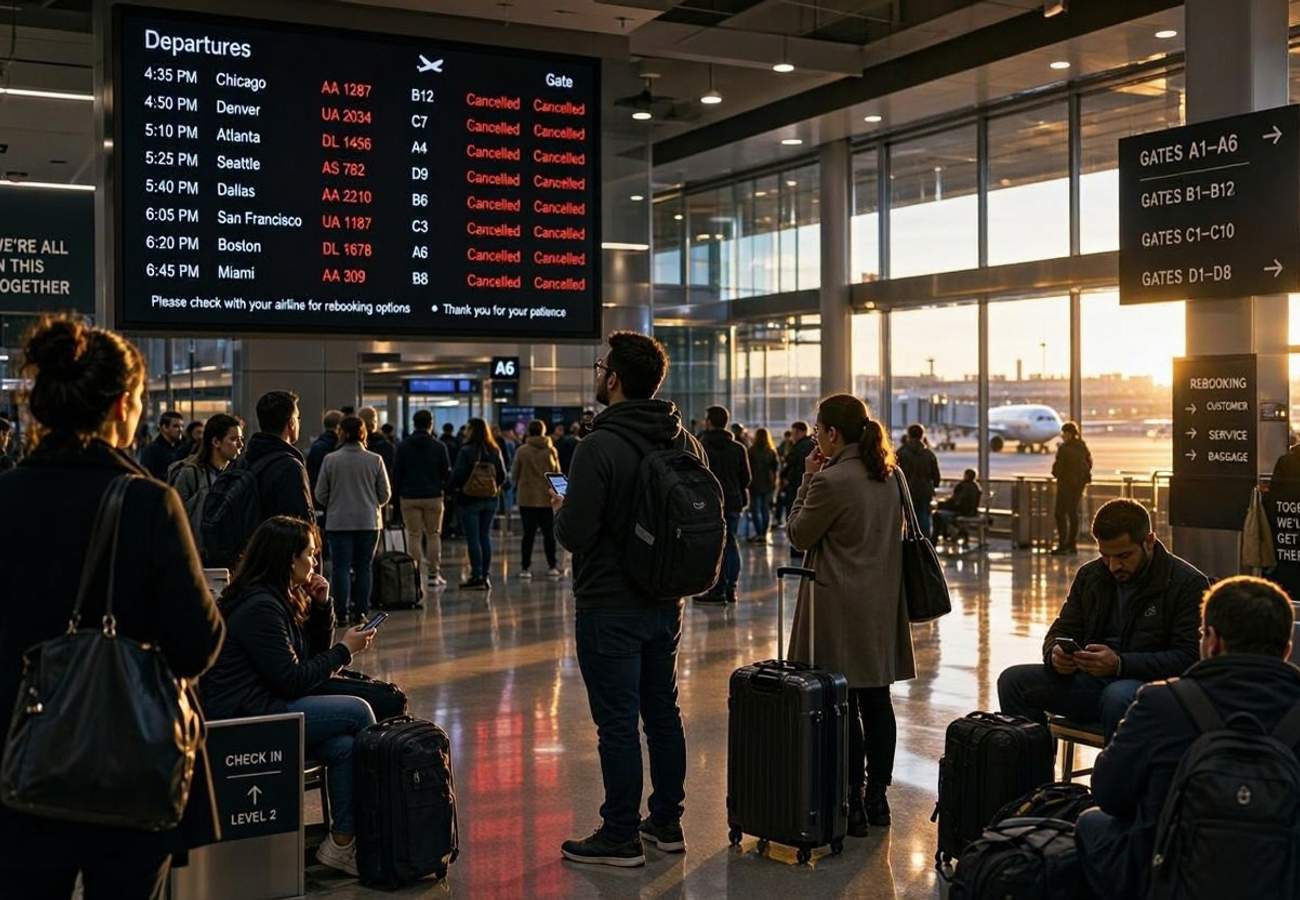
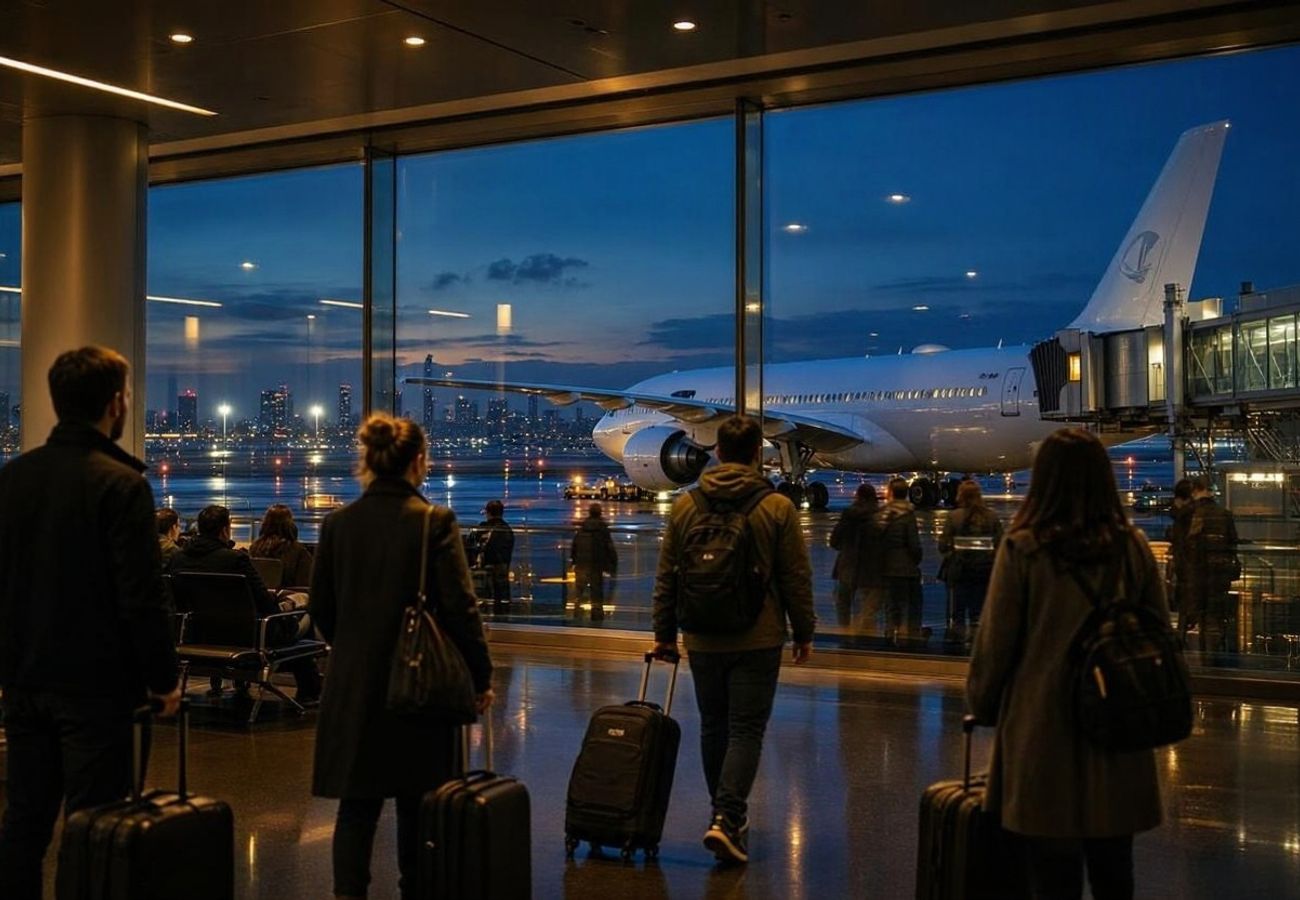
Image generated by AI
US aviation operational stability plummeted over a 48-hour window, with total flight disruptions climbing from 14,400 on Saturday to 5,200 on Sunday. This sequence of events confirms that a temporary technical failure in air traffic control creates a compounding "ripple effect" that persists long after the primary system is restored.
The Infrastructure Collapse in Numbers
The crisis began at 3:30 pm Eastern Time on Friday, November 13, 2026, when technical instability hit the Federal Aviation Administration (FAA) telecommunications network. The scale of the failure was systemic, impacting 17 of the 22 Air Route Traffic Control Centres and multiple Terminal Radar Approach Control facilities.
Data from the incident reveals a severe network overload: the FAA reported excessive data activity peaking at approximately 1,000 connection attempts every four to five seconds. This volume overwhelmed legacy systems, forcing a nationwide ground stop. While the FAA successfully landed 3,500 aircraft already in the air, the ground-level impact was catastrophic for scheduled departures.
The recovery phase has been uneven. By Sunday, November 15, the industry saw 1,600 cancellations and 3,600 delays. These figures follow a Saturday that saw 6,400 cancellations and over 8,000 delays, totaling more than 20,000 disrupted flight events in just two days.
Carrier Impact and Systemic Vulnerability
The disparity in how airlines handled the outage highlights the difference between point-to-point operators and those relying on complex hub-and-spoke networks. JetBlue faced the most severe operational hit, with a cancellation rate of 27%. American Airlines followed with 13%, while the "Big Three"—Delta, United, and Southwest—maintained lower cancellation rates between 3% and 5%.
This variance is not accidental. Carriers with higher network exposure and tighter aircraft rotations suffer more when a single hub is paralyzed. When a plane is displaced, every subsequent flight assigned to that tail number for the next 72 hours is jeopardized.
Comparative Operational Impact: Nov 14-15, 2026
| Airline | Sunday Cancellation Rate | Primary Driver of Disruption |
|---|---|---|
| JetBlue | ~27% | High network exposure / Aircraft displacement |
| American Airlines | ~13% | Hub connectivity failures |
| Southwest | 3% - 5% | Point-to-point flexibility |
| United Airlines | 3% - 5% | Resource reallocation |
| Delta Air Lines | 3% - 5% | Operational redundancy |
What This Means for Travelers
For passengers currently navigating the US airspace, the restoration of the FAA network does not mean the restoration of your flight schedule. The industry is currently in a "repositioning phase," where aircraft and crews are out of place.
Actionable Advice for Q4 Travelers:
- Verify Tail Availability: If you are flying JetBlue or American Airlines in the next 72 hours, check your flight status every 4 hours. The high cancellation rates indicate these carriers are still struggling to align crews with aircraft.
- Buffer International Connections: Travelers arriving from Europe or Asia into hubs like New York, Chicago, or Los Angeles should build a minimum 6-hour buffer for domestic connections.
- Document Expenses: Since the FAA has confirmed the outage was due to technical instability involving a contractor (L3Harris) and not a "force majeure" weather event, passengers may have stronger grounds for claiming expenses under IATA guidelines or carrier-specific contracts of carriage.
The Legacy Tech Debt Projection
The root cause of this outage was a router replacement at a radio communications facility in El Dorado, Arkansas, managed by L3Harris. This failure exposes a dangerous trend: the "integration gap" where modern hardware is plugged into aging legacy architecture.
Despite a $12.5 billion appropriation in 2025 for technology upgrades, Transportation Secretary Sean Duffy has indicated that this funding is insufficient for a total overhaul. The current trajectory suggests that until the US moves away from fragmented legacy telecommunications, similar "data spikes" will continue to trigger nationwide ground stops.
As the industry enters the high-volume Thanksgiving window, the margin for error has vanished. Any further instability in the 17 affected control centres could lead to a total system lock.
FAQ: US Aviation Outage 2026
Will flight prices increase due to these cancellations? Short-term volatility is likely. As airlines scramble to fill seats on remaining flights and reposition aircraft, last-minute fares for Thanksgiving travel may spike due to decreased available capacity.
Is it safe to fly now that the FAA has restored the network? Yes. The FAA confirmed that the outage affected communications and radar feeds, not the actual flight safety of aircraft in the air. All 3,500 airborne flights landed safely during the initial stop.
Which airlines are most likely to have delays this week? JetBlue and American Airlines showed the highest cancellation percentages (27% and 13% respectively). Passengers on these carriers should expect the longest recovery times.
What happens if my connection is missed due to this outage? Contact your airline immediately for rebooking. Because this was a technical failure and not weather-related, request vouchers for meals and hotels if you are stranded overnight.
The US aviation network is currently a high-tech facade built on a crumbling foundation.
Related Travel Guides
This article is for informational purposes. Flight routes, passenger regulations, visa rules, and transit advisories are subject to change by airlines and aviation authorities. Readers are advised to verify schedules and travel documentation with relevant carriers and border agencies before departure.
Related Stories
FAA Nationwide Ground Stop 2026: How One Faulty Router Paralyzed US Air Traffic Control
United and Delta Lead US Fleet Overhaul: 2026 Analysis of Fuel-Efficient Aircraft and Regional Shifts