
Expedia 2027 Travel Trends: Gothic Getaways, Trip Snacking, and Regional Escapes Reshape Global Tourism

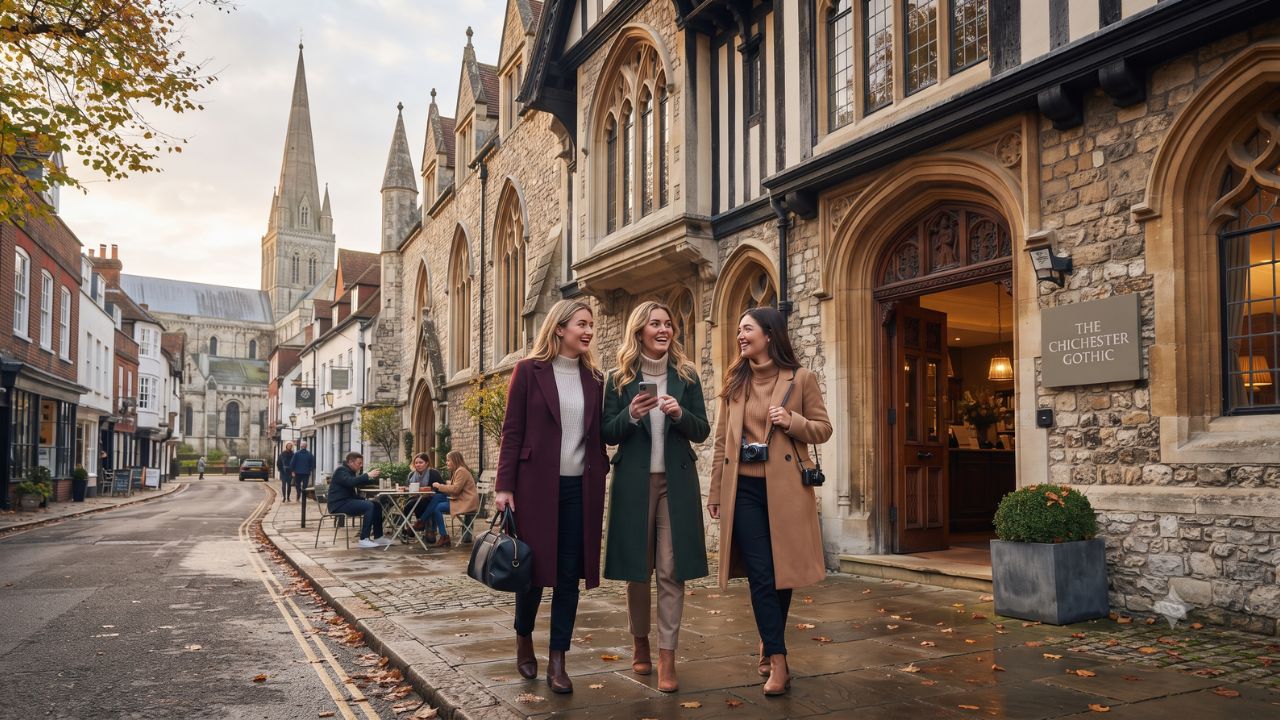
With 79% of global holidaymakers planning single-night micro-escapes and 71% of Gen Z travelers seeking nostalgic Un-Adulting getaways, international travel is shifting rapidly from checklist sightseeing to experience-led leisure. Advance consumer intelligence circulated in October 2026 by Expedia Group projects that 2027 travel demand will center heavily on emotional release, architectural mood, and targeted short-break itineraries. Rather than anchoring vacations around capital cities, travelers are funneling discretionary budgets into secondary cultural epicenters—including Chichester in the United Kingdom, South Lake Tahoe in the United States, Hyogo Prefecture in Japan, and Punta del Este in Uruguay.
This shift indicates a structural evolution in global hospitality. Holidaymakers are building trips around specific personal interests—such as booking historic castle suites, attending stadium tours, or recreating streaming film itineraries—rather than taking generic multi-week vacations. As single-night hotel stays surge and social media queries for Gothic architecture climb 38%, hospitality operators face an operational recalibration: adapting staffing models, daily pricing algorithms, and guest amenities to serve high-turnover, hyper-focused travelers.
Four Behavioral Shifts: The Anatomy of the 2027 Traveler Mindset
The 2027 market outlook outlines four central consumer behaviors that redefine how travelers select accommodations and plan itineraries:
- Trip Snacking (Micro-Stays): Long-duration holidays are increasingly complemented or replaced by focused, single-night getaways. Overall, 79% of surveyed travelers intend to book a one-night hotel stay over the coming twelve months, rising to 83% among younger demographics. British travelers heavily link these quick breaks to specific event drivers: 49% travel for stadium concerts or major sporting events, 42% for personal milestones and anniversaries, and 23% purely for mental decompression.
- Un-Adulting Vacations: Defined as holidays that prioritize lighthearted play, nostalgic recreation, and relief from adult responsibilities, 57% of all surveyed consumers express intent to book an Un-Adulting trip, increasing to 71% among Millennials and Gen Z. Among British respondents, 74% cite enjoying a carefree day as their primary motivator, 64% prioritize quality time with partners and friends, and 60% seek temporary escape from everyday workloads.
- Gothic Getaways: Atmospheric, dramatic architecture is superseding generic luxury aesthetics. The report documents that 56% of global travelers evaluate a property’s interior atmosphere and visual heritage before booking, with 65% interested specifically in Gothic-style properties—a metric that reaches 71% among Gen Z and Millennials. Driven by a 38% rise in social media engagement surrounding Gothic design, Hotels.com registered a 20% increase in castle and historic fortress bookings.
- Set-Jetting Expansion: Entertainment-inspired travel continues its steady monetization. Nearly 20% of international travelers now book trips directly influenced by television series, streaming dramas, or films. Furthermore, 48% have researched or reserved stays connected to upcoming entertainment releases, climbing to 58% among younger cohorts. In the UK, average expenditure on a Set-Jetting journey reaches £600, expanding to £629 for family travel parties.
Spotlight on 2027 Emerging Corridors: Regional Contrast and Strategic Value
Rather than competing with congested metropolitan hubs like London, Tokyo, or New York, the 2027 forecast highlights regional destinations that combine accessibility with distinct architectural or natural environments:
| Destination & Country | Core Tourism Assets & Heritage | Primary 2027 Market Appeal | Behavioral Trend Alignment | Operational Logistics & Feeder Transit |
|---|---|---|---|---|
| Chichester, United Kingdom | 11th-century cathedral, Georgian architecture, South Downs National Park | Heritage weekend breaks, classical theater, countryside immersion | Gothic Getaways & Micro-Stay Trip Snacking | 90-minute Southern Railway direct rail links from London Victoria |
| South Lake Tahoe, United States | Sierra Nevada alpine peaks, year-round water recreation, ski terrain | Outdoor adventure, active winter sports, restorative wellness | Un-Adulting & Restorative JOMO Escapes | Highway 50 road access via Reno-Tahoe International Airport (RNO) |
| Hyogo Prefecture, Japan | UNESCO-listed Himeji Castle, Arima Onsen thermal springs, Kobe waterfront | Feudal architectural history, thermal wellness, culinary heritage | Gothic Getaways & Cultural Immersion | 30-minute Sanyo Shinkansen high-speed rail connections from Shin-Osaka |
| Punta del Este, Uruguay | Atlantic coastal beaches, upscale resort districts, contemporary art | Coastal leisure, beachfront gastronomy, seasonal social escapes | Event-Led Travel & Micro-Stay Escapes | Direct highway transit from Montevideo's Carrasco International Airport (MVD) |
Data from the national tourism boards reinforces the value of these regional pivots. In the UK, VisitBritain has emphasized dispersing inbound travelers beyond London, positioning places like Chichester—anchored by its Norman cathedral and proximity to the Sussex coast—as ideal two-day heritage escapes. Similarly, the Japan National Tourism Organization (JNTO) has expanded promotion of Hyogo Prefecture, where travelers can combine the dramatic white-plaster battlements of Himeji Castle with the historic bathhouses of Arima Onsen, offering deep architectural contrast without Tokyo's hotel compression.
In South America, Punta del Este provides a high-end Atlantic coastal retreat that pairs seasonal culinary galas with beach retreats, while California and Nevada’s South Lake Tahoe captures demand for active alpine recreation and carefree seasonal sports.
Expert Analysis: Yield Management, Housekeeping Turnover, and Aesthetic Premiums
The transition toward single-night micro-stays and aesthetic-driven lodging forces hoteliers to reconsider fundamental revenue management practices. Traditionally, hotel profitability models depended on multi-night minimums, which amortized fixed housekeeping, laundry, and check-in labor across several days.
For travelers booking this route, the direct consequence is an aggressive restructuring of weekend room pricing and availability. When 79% of travelers seek single-night stays surrounding concert dates, theatrical releases, or sporting fixtures, hotels in regional markets like Chichester or Hyogo frequently face extreme Saturday-night sellouts while Sunday through Thursday occupancy remains depressed. To counter the labor costs of rapid room turns, properties are replacing flexible one-night bookings with higher dynamic rates, non-refundable reservation tiers, and elevated cleaning surcharges.
The pricing pressure this creates means that spontaneous travelers who delay booking until two or three weeks before departure encounter steep premiums for distinctive heritage properties. Historic castles, boutique manors, and properties featuring authentic Gothic or mid-century architecture possess finite room inventories that cannot be scaled upward to meet sudden viral interest. As social media mentions climb 38% and castle bookings rise 20%, boutique operators can raise average daily rates (ADR) significantly above standard market levels without offering expanded amenities, capitalizing entirely on the visual uniqueness of their physical structure.
Furthermore, the rise of Set-Jetting and Un-Adulting requires municipal tourism boards to build genuine regional visitor infrastructure. When streaming productions highlight a specific heritage property or rural district, inbound travel spikes abruptly. If local municipalities lack adequate rail connectivity, coach parking, pedestrian management, and local dining capacity, sudden tourist inflows risk displacing regular residents and degrading historic fabric. Sustainable commercial success requires packaging entertainment trails with multi-stop regional passes to disperse visitor spending across smaller local businesses.
Actionable Traveler Guidance: Planning Distinctive Escapes for 2027
Travelers looking to leverage emerging 2027 holiday trends should incorporate structured planning tactics to avoid lodging premiums:
- Strategize Midweek One-Night Snacking: Travelers seeking quick restorative breaks should target Thursday or Sunday evening stays rather than peak Saturday nights. Midweek reservations in regional hubs like Chichester or South Lake Tahoe frequently cost 30% to 50% less and offer greater room-category choice.
- Book Historic and Castle Stays Early: Because authentic Gothic properties and historic fortresses maintain restricted room counts—often fewer than 30 keys per property—advance reservations of six to nine months are essential for autumn travel, particularly in the UK, Germany, and Japan.
- Leverage High-Speed Regional Rail Passes: When planning cultural itineraries to regional centers like Hyogo Prefecture, international travelers should utilize regional rail passes, such as the JR West Kansai Area Pass, allowing convenient day and overnight excursions between Osaka, Kobe, and Himeji without expensive point-to-point ticketing.
- Verify Filming Location Accessibility: Travelers organizing Set-Jetting itineraries around broadcast or streaming locations must confirm property ownership and public visiting hours. Historic estates and private residences frequently restrict commercial photography and mandate advance ticket slots for heritage preservation.
Key Takeaways
- Dominance of Micro-Stays: Approximately 79% of global consumers intend to book a single-night hotel stay in the coming year, climbing to 83% among Gen Z and Millennials, driven primarily by concerts, sporting events, and milestone celebrations.
- The Un-Adulting Phenomenon: About 57% of holidaymakers (and 71% of Gen Z/Millennials) are seeking playful, nostalgic holidays to escape daily responsibilities, with 74% of British travelers prioritizing carefree leisure.
- Aesthetic-Driven Lodging: Over 56% of travelers choose hotels based on interior atmosphere, driving a 65% interest rate in Gothic Getaways, a 38% rise in architectural social mentions, and a 20% jump in castle bookings.
- Set-Jetting Spending Power: Nearly one in five travelers reserves trips inspired by screen entertainment, with British travelers spending an average of £600 per film-inspired journey (£629 for family parties).
- Secondary Market Spotlight: Emerging 2027 travel interest concentrates around character-rich regional destinations, led by Chichester (UK), South Lake Tahoe (US), Hyogo (Japan), and Punta del Este (Uruguay).
FAQ: 2027 Travel Trends and Alternative Accommodations
What does "Trip Snacking" mean in modern travel?
Trip Snacking refers to booking single-night hotel stays centered around specific activities, such as attending a concert, watching a sporting event, celebrating a milestone, or taking a quick mental health break without taking extended annual leave.
Why are Gothic Getaways gaining popularity for 2027?
Travelers are increasingly prioritizing authentic atmosphere and distinctive visual heritage over standardized luxury. Social media engagement around Gothic architecture rose 38%, fueling a 20% increase in castle and historic fortress reservations.
What is driving the Un-Adulting holiday trend among Millennials and Gen Z?
Un-Adulting is fueled by the desire to escape daily corporate and personal stress. Roughly 71% of younger travelers seek nostalgic, playful recreation—such as theme parks, outdoor games, and relaxed itineraries—that emphasizes joy and shared time over rigid sightseeing schedules.
How are secondary cities like Chichester and Hyogo benefiting from 2027 trends?
Smaller regional destinations offer deep historical architecture, scenic countryside, and thermal wellness without metropolitan overcrowding. Excellent regional transit links make them ideal for high-turnover micro-stays and immersive cultural escapes.
[As travelers trade rigid itineraries for authentic atmosphere, the destinations that will define 2027 are those that turn a brief pause into an unforgettable memory.]
Related Travel Guides
- Halloween 2026 Travel Economics: How Salem, Orlando, New Orleans, and Las Vegas Compete for Gen Z City Breaks
- Thanksgiving 2026 Short-Term Rental Surge: University Towns Outpace Metros as College Football Rivalries Squeeze Lodging
- Art Basel Tourism Economics: How Basel, Hong Kong, Paris, and Miami Compete for High-Yield Cultural Travelers
Disclaimer
This article is for informational and educational purposes only. It does not constitute legal, financial, or professional advice. While we strive to provide accurate and up-to-date information, travel policies, regulations, and conditions change rapidly. Always verify information with official sources before making travel decisions. Nomad Lawyer makes no representations about the accuracy, reliability, completeness, or suitability of the information provided. Readers should consult qualified professionals for advice specific to their circumstances. The views expressed in this article are those of the author and do not necessarily reflect the views of Nomad Lawyer.
Preeti Gunjan
Contributor & Community Manager
A passionate traveller and community builder. Preeti helps grow the Nomad Lawyer community, fostering engagement and bringing the reader experience to life.
Learn more about our team →