
European Summer Heat: How Rising Temperatures Reshape 2026 Travel
Europe's major capitals are experiencing record spring heatwaves, forcing travelers to rethink itineraries, pack differently, and adjust daily routines. Learn how climate change is reshaping tourism across Madrid, Paris, London, and Berlin.

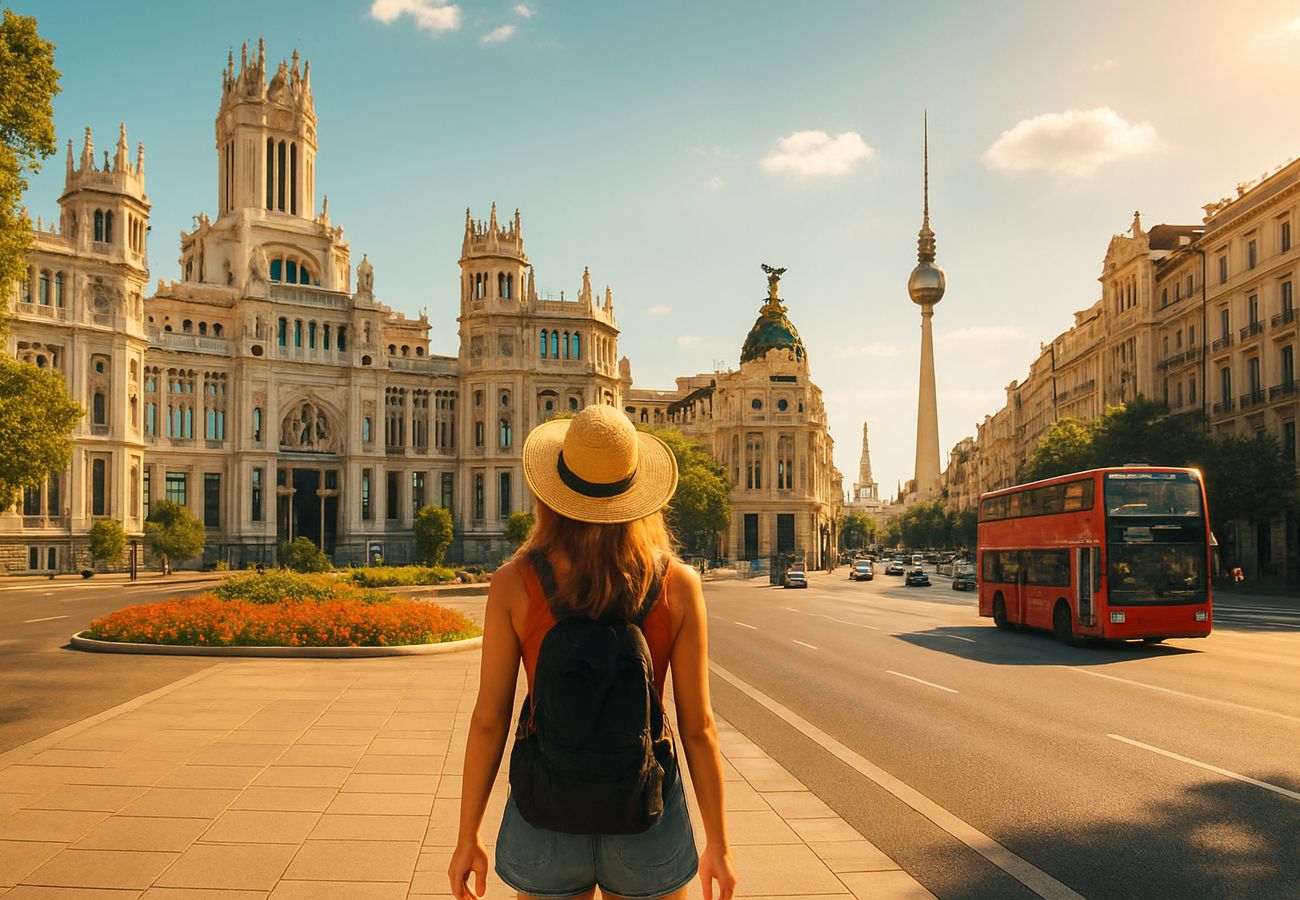
Image generated by AI
Madrid, Paris, London, Berlin, and Dublin are bracing for an unusually scorching spring. As I've tracked the latest European weather patterns, temperatures are already climbing to levels typically seen in mid-July—creating serious challenges for the millions of travelers planning summer vacations across the continent.
What makes this year different? Rising temperatures linked to climate change are arriving weeks earlier than historical averages, forcing both tourism authorities and visitors to rethink how European holidays actually work in 2026.
European Capitals Face Record Spring Heat
Spain is experiencing the most dramatic conditions. Daytime temperatures in some regions are climbing close to 40 degrees Celsius—far above seasonal norms for late May. Similar heat alerts have been issued across parts of France and the United Kingdom, with weather agencies warning travelers to prepare differently than previous years.
The pattern is clear: what was once considered rare spring heat is now becoming a regular concern for European visitors. According to climate research from the European Environment Agency, greenhouse gas emissions are increasing both the frequency and intensity of heatwaves across the continent.
Reddit: "Just got back from Madrid and it was brutal. Couldn't do normal daytime sightseeing—had to sleep in until late afternoon." — r/travel
Why Europe's Ancient Cities Struggle With Heat
Many European capitals were designed centuries ago when extreme temperatures were far less common. Narrow streets, older buildings, and limited air conditioning systems create uncomfortable conditions during high heat periods. Historic neighborhoods in Madrid's Gran Vía and Paris's Latin Quarter become physically exhausting for walkers within hours.
For tourists, this reality means longer walking tours and crowded outdoor attractions demand more physical stamina than expected. What should take three hours might exhaust you in ninety minutes.
London's parks, riversides, and public fountains became relief centers as both residents and visitors searched for cooling during recent weeks. Berlin and Dublin, traditionally associated with milder climates, are also experiencing shifting weather trends that locals increasingly navigate through outdoor swimming areas and lakes.
How Travelers Are Actually Adjusting
The tourism behavior shift is dramatic. Morning tourism has exploded because temperatures stay low before midday—visitors now arrive at monuments and museums at sunrise rather than mid-morning. Late-night activities are equally popular: sunset walking tours, evening dining, and nighttime cultural experiences have become the preferred schedule.
In Madrid, outdoor plazas and cafés remain active much later into the evening during warm periods. Tour operators are actively redesigning itineraries, recommending shorter daytime walks with more shaded stops and indoor breaks during peak heat hours.
The industry is slowly recognizing that climate conditions are fundamentally changing visitor expectations. Flexible scheduling, wellness focus, and comfort-first planning are replacing packed traditional itineraries.
Essential Heat Safety for European Travelers
Travel safety experts and public health agencies agree on core recommendations. Hydration is non-negotiable—carry a reusable water bottle and drink regularly, even when you don't feel thirsty. This prevents heat exhaustion before it becomes dangerous.
Clothing choices matter significantly. Light-colored fabrics, wide-brimmed hats, quality sunglasses, and SPF 50+ sunscreen are now essential travel items. Many experienced travelers recommend packing 40% more lightweight clothing than previous years.
Avoid heavy outdoor activities between noon and 4 p.m. This window represents peak heat danger. Instead, use these hours for museums, galleries, shopping centers, historic churches, and restaurants with proper cooling systems. According to travel health guidance from the CDC, this timing adjustment significantly reduces heat-related illness.
When booking accommodation, check cooling facilities explicitly. Many older European hotels and apartments lack air conditioning—verify this during reservation. Visitors with medical conditions, elderly travelers, and families with children should monitor local weather alerts continuously throughout holidays.
Climate Change Is Permanently Reshaping European Tourism
Scientists report that Europe's rising temperatures represent a larger global pattern. Heatwaves are becoming longer, stronger, and more frequent—not temporary anomalies.
European cities are responding strategically. Several destinations are increasing shaded public areas, planting urban trees, and expanding cooling centers during extreme heat events. Public health campaigns educate tourists about heat-related risks. Tourism boards are promoting sustainable practices—public transportation over rental cars, expanded green spaces, and reduced environmental pressure during hotter months.
According to research from the European Commission on climate adaptation, these infrastructure changes will become standard across all major European cities within five years.
The Smarter Way to Travel Europe in 2026
Europe remains one of the world's most magnetic destinations. Cultural experiences, historic landmarks, cuisine, and festivals still draw millions annually—but the approach must evolve.
Successful 2026 travelers are prioritizing slower itineraries over packed sightseeing schedules. Night tourism, shaded walking routes, indoor attractions, and waterfront activities are increasingly attractive. Wellness and climate-friendly experiences now rank equally with traditional sightseeing.
For your 2026 European holiday: preparation is now as important as destination selection. Smart planning, weather awareness, flexible daily schedules, and strategic timing can help you navigate—and actually enjoy—Europe's hottest capitals safely.
Smart travelers aren't fighting Europe's heat; they're building entire itineraries around it.
Related Travel Guides
- FAA Extends Flight Restrictions at Chicago O'Hare International Airport Until 2027 Amid United and American Airlines Rivalry
- Caribbean Sargassum Seaweed Crisis 2026: Scientists Warn of Record-Breaking Algal Bloom
- Dominican Republic Crushes Caribbean Competition: Canadian Arrivals Surge 12.9% in Historic 2026 Tourism Boom
Disclaimer
This article is for informational and educational purposes only. It does not constitute legal, financial, or professional advice. While we strive to provide accurate and up-to-date information, travel policies, regulations, and conditions change rapidly. Always verify information with official sources before making travel decisions. Nomad Lawyer makes no representations about the accuracy, reliability, completeness, or suitability of the information provided. Readers should consult qualified professionals for advice specific to their circumstances. The views expressed in this article are those of the author and do not necessarily reflect the views of Nomad Lawyer.
Raushan Kumar
Founder & Lead Developer
Full-stack developer with 11+ years of experience and a passionate traveller. Raushan built Nomad Lawyer from the ground up with a vision to create the best travel and law experience on the web.
Learn more about our team →