
European Airline Fare Hike: Air France-KLM and Lufthansa React to Jet Fuel Surge
European giants Air France-KLM and Lufthansa are raising airfares and slashing routes as they grapple with a sharp surge in jet fuel prices.

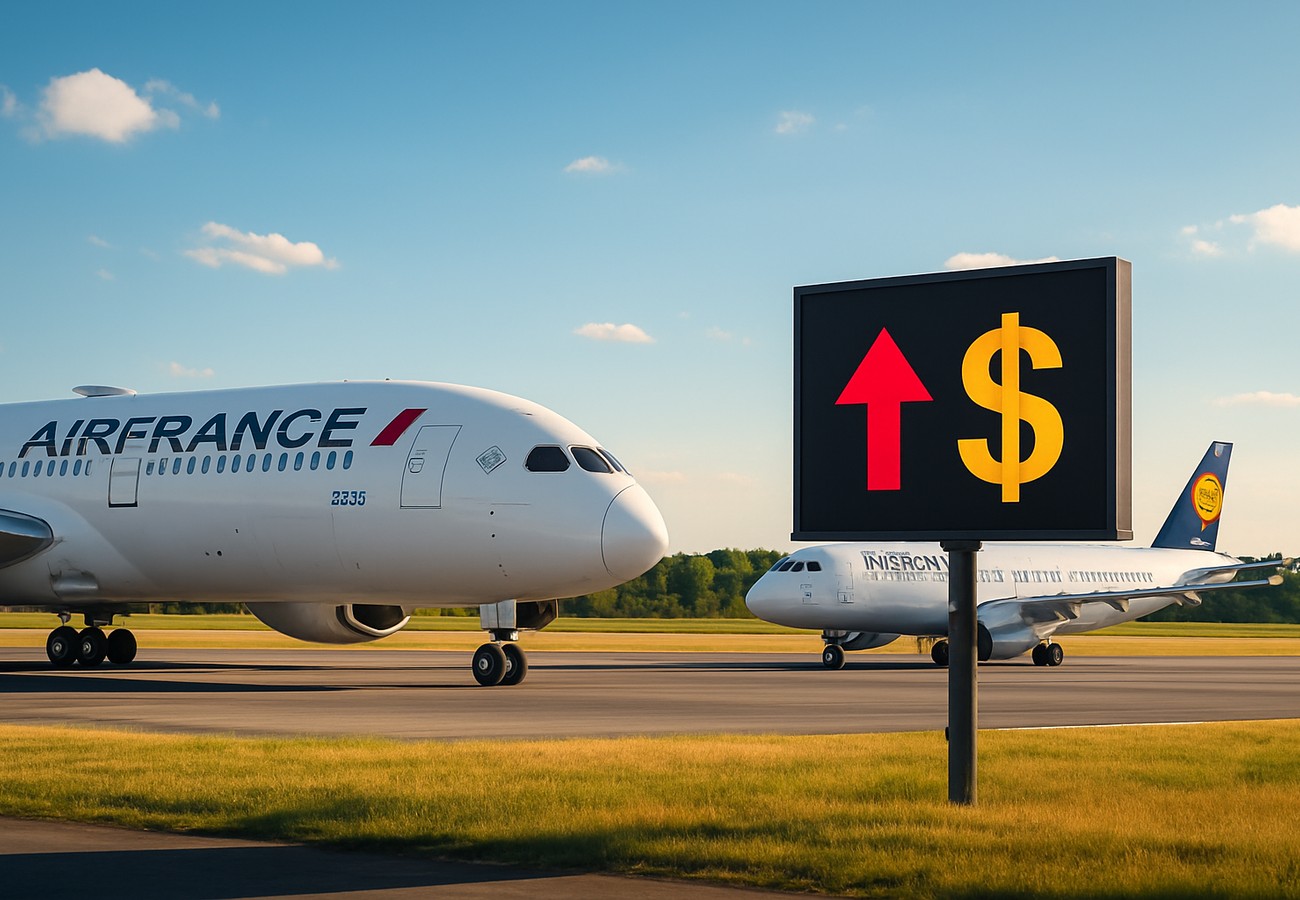
Image generated by AI
The European aviation market is entering a new era of higher costs and leaner operations. Major airline groups including Air France-KLM and Lufthansa, along with budget leaders like Ryanair and easyJet, are urgently raising ticket prices and slashing less profitable routes as they struggle to absorb a massive surge in jet fuel prices.
This shift is creating significant disruption for travelers, as networks adjust rapidly to the new economic reality of May 2026.
Why is Air France-KLM Raising Prices and Cutting Growth?
Air France-KLM is reacting directly to a sharp rise in jet fuel costs, which has pushed operational expenses significantly higher. The group has already revised its capacity expansion plans downward for the remainder of 2026.
- Fare Hikes: The airline is strategically increasing ticket prices across all cabins to offset multi-billion dollar increases in fuel expenses.
- Focus on Premium: To protect margins, Air France-KLM is prioritizing its long-haul network and premium cabins, which continue to drive revenue stability despite higher operational costs.
- Capacity Reduction: The group is leveraging its strong market position to reduce capacity on less profitable short-haul routes where competition is highest and margins are thin.
Lufthansa’s Aggressive Restructuring Strategy
Lufthansa is implementing one of the most aggressive cost-control strategies in the European market. The German giant is cutting thousands of flights and withdrawing older, less efficient aircraft from its fleet.
Lufthansa Restructuring Snapshot
| Initiative | Impact | Objective |
|---|---|---|
| Flight Cuts | Tens of thousands of flights removed | Controlling operational costs and capacity. |
| Route Withdrawal | Exit from less profitable short-haul markets | Focusing on core hubs (FRA/MUC). |
| Fleet Realignment | Early retirement of older wide-body jets | Mitigating the impact of fuel price spikes. |
Lufthansa is pursuing a dual strategy: aggressive short-term cost control through flight cuts, while simultaneously exploring long-term expansion through potential investments in other carriers.
The Low-Cost Reaction: Ryanair and Transavia
The "fuel surge" is hitting low-cost carriers (LCCs) particularly hard, as their business models rely on extremely thin margins.
- Ryanair and easyJet: Both carriers have warned that the era of "€10 flights" is effectively over for the summer 2026 season. Base fares are being adjusted upward as fuel hedging contracts expire and are replaced at current market rates.
- Transavia and KLM: In the Netherlands, both carriers have been forced to cancel hundreds of flights in May due to a combination of rising costs and ongoing operational constraints at Amsterdam Schiphol (AMS).
What This Means for European Travelers
Travelers in Europe should prepare for a "new reality" in the aviation market:
- Fare Climb: Expect to see ticket prices rise by 15% to 30% across the board.
- Reduced Frequency: High-frequency routes between major European capitals may see a reduction in daily departures.
- Route Slashing: Some secondary regional airports may lose direct connections to major hubs as airlines consolidate their networks.
Related Travel Guides
Disclaimer
This article is for informational and educational purposes only. It does not constitute legal, financial, or professional advice. While we strive to provide accurate and up-to-date information, travel policies, regulations, and conditions change rapidly. Always verify information with official sources before making travel decisions. Nomad Lawyer makes no representations about the accuracy, reliability, completeness, or suitability of the information provided. Readers should consult qualified professionals for advice specific to their circumstances. The views expressed in this article are those of the author and do not necessarily reflect the views of Nomad Lawyer.
Kunal K Choudhary
Co-Founder & Contributor
A passionate traveller and tech enthusiast. Kunal contributes to the vision and growth of Nomad Lawyer, bringing fresh perspectives and driving the community forward.
Learn more about our team →