
Europe Travel Chaos Escalates: Mid-April Airport Strikes Disrupt Five Countries
Coordinated aviation worker strikes across Germany, Italy, the UK, Spain and beyond in April 2026 are triggering cascading flight cancellations and delays at Frankfurt, Rome, and London. Thousands of passengers face disruption during peak spring travel season.

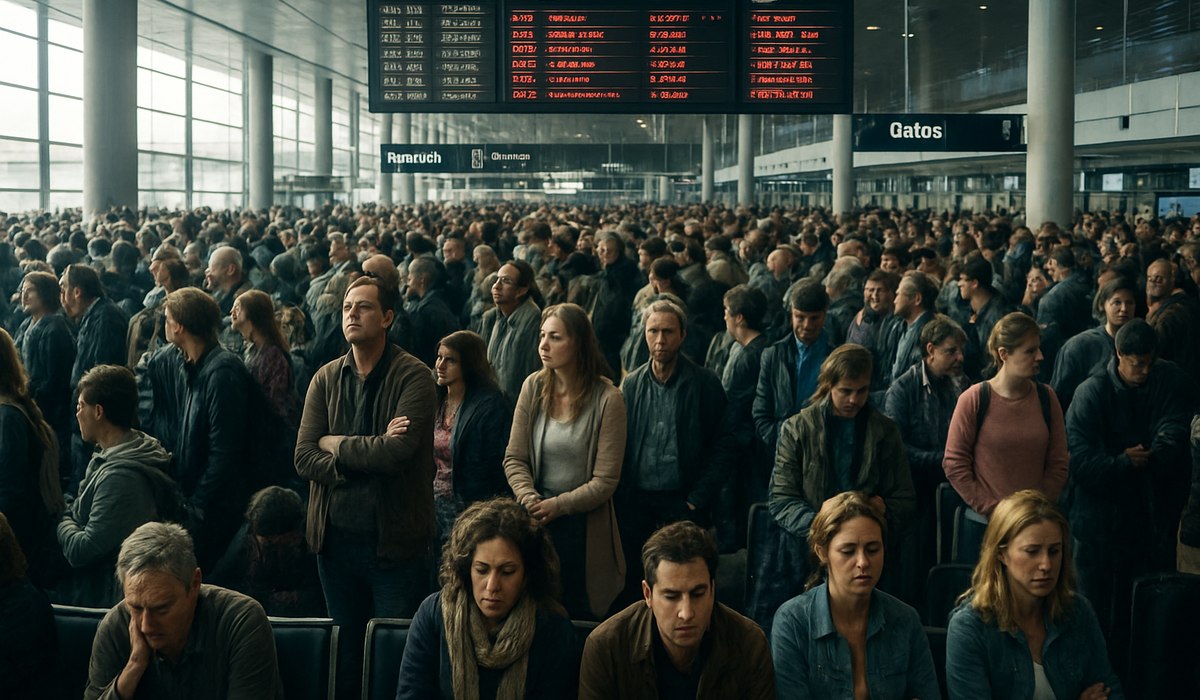
Image generated by AI
Continental Disruption Unfolds Across European Hubs
Coordinated walkouts by aviation and transport workers spanning Germany, Italy, the United Kingdom, Spain, and neighboring nations throughout mid-April are triggering unprecedented operational challenges across Europe's most critical travel corridors. Frankfurt Airport, Rome Fiumicino, London Heathrow, and Milan Malpensa face severe congestion as thousands of flights face cancellation or substantial delays. The synchronized strike action—centered on compensation disputes, staffing shortages, and working condition grievances—represents one of the most significant disruption events affecting European aviation in 2026. Passengers booking travel through affected regions should expect widespread schedule modifications and extended airport processing times during this period.
Italy and Germany at the Center of Widening Strike Wave
Germany's aviation sector experienced a watershed moment on April 10 when Lufthansa cabin crew members initiated a large-scale walkout affecting the carrier's primary operations hubs. The single-day industrial action resulted in over 500 flight cancellations originating from Frankfurt, Munich, Cologne, and Hamburg airports. Tens of thousands of travelers faced rebooking onto alternative carriers or delayed departures spanning 24 to 48 hours beyond originally scheduled times.
Simultaneously, Italy's national air traffic control system implemented a four-hour nationwide stoppage on the same date, paralyzing services through Rome Fiumicino, Milan Malpensa, and Naples airports. The synchronized timing magnified disruption across southern European airspace. Publicly available flight tracking data from FlightAware documented hundreds of additional cancellations and delays radiating from Italian terminals into connected networks across France, Spain, Belgium, and Portugal.
Ground handling strikes in Spain and Belgium further compressed operational capacity, creating what industry analysts describe as a perfect storm of overlapping labor actions. Aircraft failed to reposition on schedule, crews exceeded duty time limitations, and passenger rebooking systems became overwhelmed with booking requests.
Lufthansa Cabin Crew Strike Grounds 500+ Flights
The April 10 Lufthansa cabin crew walkout stands as the most visible trigger of broader Europe travel chaos throughout the month. Union representatives cited insufficient staffing levels, inadequate compensation adjustments, and unsustainable rostering practices as primary grievances. The strike's scope encompassed all Lufthansa mainline operations, excluding subsidiary carriers Eurowings and Lufthansa CityLine.
Frankfurt Airport, Germany's busiest transfer hub connecting European short-haul services with long-haul international routes to the Americas, Africa, and Asia, absorbed the strike's heaviest impact. Aircraft scheduled for morning and afternoon departures sat idle at gates while ground crews and cabin staff honored the walkout. Evening and overnight recovery attempts created secondary waves of delays as aircraft and crews ended the day in non-optimal positions for the following morning's schedule.
The financial consequences extended beyond the immediate strike date. Airlines absorbed increased operational costs through emergency staffing deployments, passenger meal vouchers, and hotel accommodations for stranded travelers. Load factors on operated flights increased significantly, leaving minimal rebooking flexibility for subsequent disruptions.
Air Traffic Control Walkouts Cascade Across Italian Airspace
Italy's air traffic control personnel implemented targeted stoppages throughout April, with the April 10 national walkout creating the most widespread disruption. Controllers managing Rome Fiumicino's terminal approach airspace executed the four-hour stoppage during peak morning transfer windows, cascading delays into connecting flights across European networks.
Milan Malpensa experienced compounding delays stemming from earlier operational bottlenecks that preceded the announced strike date. Aircraft queued for pushback positions, holding patterns extended over northern Italian airspace, and passengers endured extended tarmac delays awaiting departure clearances. The cumulative effect pushed missed connections into evening and overnight time slots, compounding passenger frustration and accommodation requirements.
Naples airport, despite smaller passenger volumes than Fiumicino and Malpensa, nevertheless contributed to southern Italian airspace saturation. Diversions to alternative airports in Croatia and southern France occurred, extending passenger journey times by 2 to 4 hours depending on final destinations.
Real-time disruption tracking platforms documented the network effects as departures from Germany and France destined for Italian airports circled holding patterns or requested fuel stops at intermediate locations. Return flights from Italy northward faced extended ground delays awaiting departure slot availability, creating domino effects throughout the afternoon and evening schedules.
Multi-Country Strike Impact Radiates Across European Hubs
The tightly integrated nature of European aviation networks transformed localized labor actions into continent-wide operational challenges. Strike activity in any individual country triggered cascading secondary effects across neighboring nations through interconnected flight networks, shared airspace, and reciprocal crew positioning requirements.
Spain's ground handling and airport services personnel conducted targeted stoppages affecting Barcelona, Madrid, and Malaga operations. Belgium's air traffic control system experienced staffing limitations requiring reduced flight throughput. France's Charles de Gaulle and Orly airports contended with simultaneous ground service strikes and modest flight schedule reductions.
London's Heathrow Airport managed flight operations despite modest impacts from UK-based transport protests affecting public transit connections to the terminals. Extended journey times between London central locations and airport facilities compressed passenger processing windows, particularly affecting connecting passengers with tight transfer times.
The combined effect across all five nations created operational gridlock at major European hub airports. Aircraft failed to arrive on schedule for subsequent rotations, crews exceeded duty time limitations requiring rest periods, and airlines exhausted spare aircraft inventory maintained for contingency situations. Passengers booked on subsequent days faced cancellations or significant delays extending their journeys by 12 to 48 hours.
Tracking Real-Time Flight Disruptions and Updates
Europe travel chaos conditions persist throughout April 2026 as labor negotiations progress across affected countries. Passengers should utilize real-time flight tracking resources to monitor specific itinerary status rather than relying on general news coverage. FlightAware provides minute-by-minute departure delay information and cancellation status for all commercial flights operating within European airspace.
Airline websites maintained dedicated strike information pages with rebooking policies and passenger accommodation options. Most carriers granted complimentary rebooking onto alternative dates or competing airlines without change fees during the strike period, though seat availability remained extremely limited. Check your airline's customer service portal or contact center for current rebooking opportunities specific to your confirmation number.
Airport websites for Frankfurt, Rome, London, and Milan published real-time terminal occupancy information and estimated wait times for passenger processing. Arriving passengers faced extended queue times at immigration, security, and baggage claim facilities given the elevated passenger volumes from earlier days' rebooking actions.
| Metric | Data | Impact Level |
|---|---|---|
| Lufthansa Flights Canceled (April 10) | 500+ flights | Severe |
| Passengers Affected (Single Day) | 45,000+ individuals | Extreme |
| Italian ATC Stoppage Duration | 4 hours | Moderate-Severe |
| Ground Handling Strikes | Spain, Belgium, France | Cascading |
| Primary Affected Airports | Frankfurt, Rome, London, Milan | Severe |
| Expected Recovery Period | 5-7 business days | Ongoing |
What This Means for Travelers: Action Checklist
Passengers currently booked on European flights during April 2026 should take immediate action to evaluate their travel flexibility and understand their rights under European airline passenger protection regulations.
1. Check your flight status immediately using real-time tracking via FlightAware and your airline's website rather than waiting for phone notifications, which may experience call center delays.
2. Contact your airline proactively if your flight appears likely to be canceled or severely delayed. Complimentary rebooking onto alternative dates or competing carriers is typically available but
Disclaimer
This article is for informational and educational purposes only. It does not constitute legal, financial, or professional advice. While we strive to provide accurate and up-to-date information, travel policies, regulations, and conditions change rapidly. Always verify information with official sources before making travel decisions. Nomad Lawyer makes no representations about the accuracy, reliability, completeness, or suitability of the information provided. Readers should consult qualified professionals for advice specific to their circumstances. The views expressed in this article are those of the author and do not necessarily reflect the views of Nomad Lawyer.
Raushan Kumar
Founder & Lead Developer
Full-stack developer with 11+ years of experience and a passionate traveller. Raushan built Nomad Lawyer from the ground up with a vision to create the best travel and law experience on the web.
Learn more about our team →