
Europe's Summer Tourism Crisis 2026: Crimea, Italy, Greece Face Record Heat, Overcrowding, Infrastructure Collapse
Summer 2026 tourism across Europe faces unprecedented challenges. Extreme heat, overcrowding, water shortages, and infrastructure strain force travelers to reconsider Mediterranean and Northern European destinations.

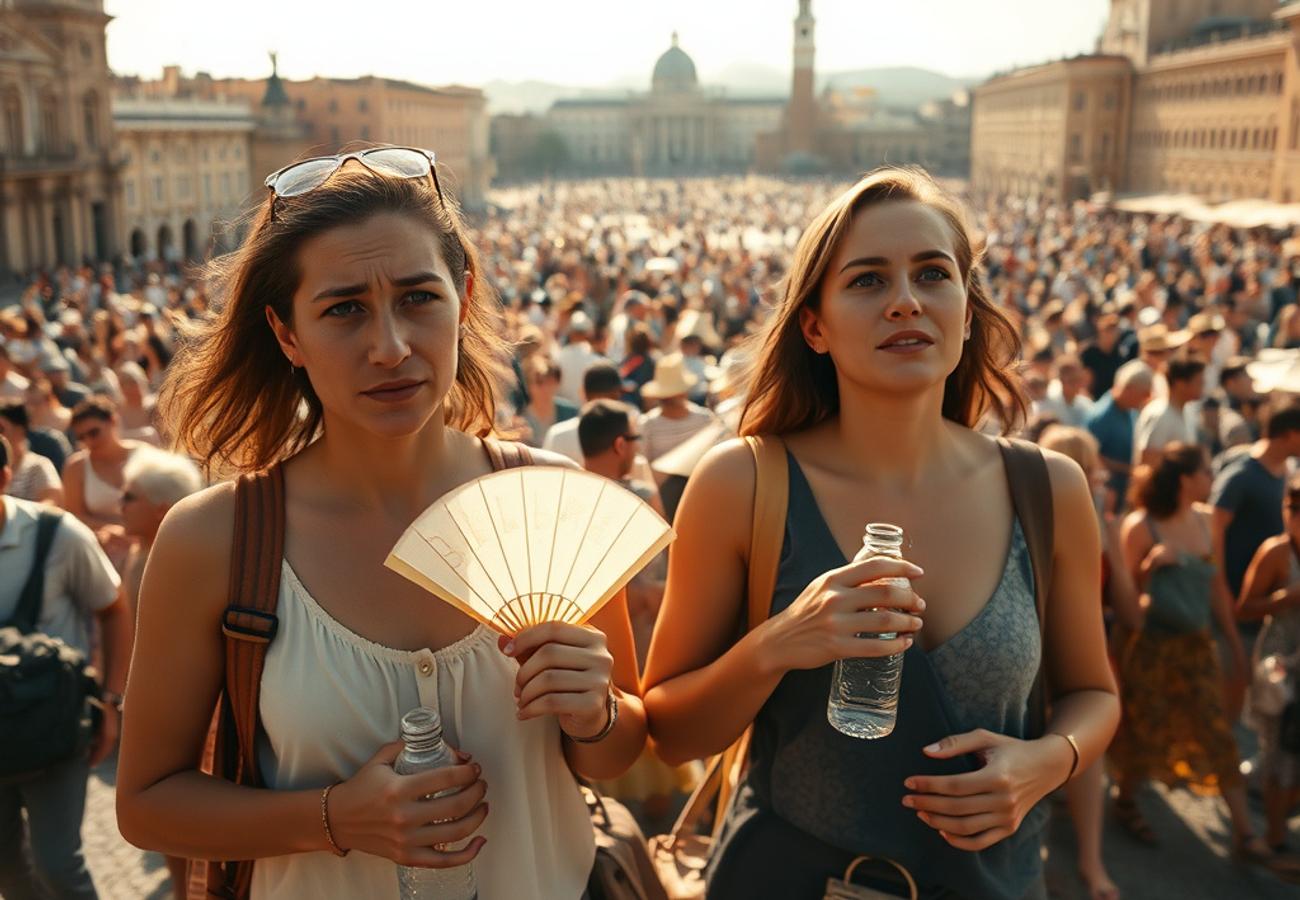
Image generated by AI
Summer 2026: When Europe's Most Beloved Destinations Became Its Most Challenging
The suitcase sits half-packed. The flight confirmation glows on the phone. Yet something feels different this year. Across Europe—from the Amalfi Coast to Icelandic fjords, from Greek islands to Croatian shores—travelers are asking questions they never asked before: Is it worth it? Can I even go?
Summer 2026 has arrived with a sobering reality check. What was once the golden season for European tourism now represents an unpredictable gauntlet of extreme weather, infrastructure collapse, and record-breaking overcrowding. The destinations promising paradise increasingly deliver something closer to chaos.
The Perfect Storm: Heat, Drought, and Human Overflow
Extreme heat has redefined what "summer vacation" means. This isn't a minor inconvenience—it's a fundamental shift in travel viability.
Italy faces temperatures that regularly exceed 40°C (104°F) during peak August. Rome's iconic Colosseum now posts heat warnings. Venice's famous squares turn into sun-baked ovens where sightseeing becomes genuinely dangerous. Water shortages plague the nation, forcing authorities to restrict tourist access to certain fountains and reduce irrigation for public gardens.
Spain grapples with widespread heatwaves and drought conditions. Anti-tourism protests have erupted in Barcelona and Palma as locals question whether the seasonal economic boost justifies the environmental cost. Short-term rental restrictions now limit accommodation options, driving prices higher just as demand remains fierce.
Reddit: "I cancelled my Italy trip. 42°C heat, overcrowded attractions, and they're rationing water. Not the experience I paid for." — r/travel
Greece confronts an especially dire scenario: wildfires. The 2026 fire season arrived early and intensely. Ferry services experience congestion and occasional cancellations due to smoke and emergency protocols. Several archaeological sites have temporarily closed for public safety.
Portugal, Cyprus, and Malta battle water scarcity alongside extreme temperatures. Cyprus regularly hits 40°C+. Malta's finite freshwater supplies strain under millions of summer visitors. Tourism boards pivot toward "sustainable visitor management"—a corporate phrase for turning people away.
Infrastructure Breaking Under Weight
This isn't just about weather. Europe's tourism infrastructure was designed for yesterday's visitor volumes, not today's.
Iceland provides a stark example. Once a Nordic escape for adventurous travelers, Iceland now experiences infrastructure collapse during summer. Hotels fill up months in advance. Road congestion in popular areas like the Golden Circle turns scenic drives into parking lot experiences. The government has begun discussing visitor caps—a controversial step that suggests desperation.
Norway's fjord cruises face similar pressures. Massive cruise ships clog once-pristine waterways. Local authorities are now implementing regulations to limit vessel numbers and sizes, essentially rationing tourism access.
Croatia's island economy boomed under mass tourism. Now it buckles. Dubrovnik and nearby islands experience severe water shortages. Beach overcrowding reaches absurd levels. The Croatian government has launched sustainability initiatives that essentially aim to reduce—not increase—summer visitor numbers.
France adds another dimension: transport strikes during peak season. When combined with extreme heat and air conditioning failures in metro systems, summer travel to Paris and Lyon becomes genuinely uncomfortable.
The Data That Tells the Real Story
Here's what the numbers reveal about summer 2026 tourism challenges across major European destinations:
| Destination | Primary Threat | Severity | Typical Impact |
|---|---|---|---|
| Italy | Extreme heat 40°C+, water shortages | Very High | Heat exhaustion, attraction closures, transport delays |
| Spain | Heatwaves, drought, anti-tourism resistance | Very High | Accommodation scarcity, inflated prices, social tension |
| Greece | Wildfires, extreme heat, ferry disruptions | Very High | Evacuations, site closures, service interruptions |
| Portugal | Wildfires, drought, water restrictions | High | Activity limitations, infrastructure strain |
| Croatia | Overtourism, water scarcity | High | Beach congestion, accommodation costs, local backlash |
| Cyprus | Extreme heat 40°C+, water scarcity | High | Health risks, tourism facility pressure |
| Malta | Extreme overcrowding, water limits | High | Attraction congestion, premium pricing |
| Iceland | Infrastructure overload, lodging scarcity | Medium-High | Road congestion, booking impossibility, cost inflation |
| Norway | Cruise ship overcrowding | Medium | Fjord congestion, environmental concerns |
| France | Heatwaves, transport strikes | High | Delays, crowded attractions, service disruptions |
Why Travelers Are Actually Reconsidering
The decision to cancel or postpone summer travel isn't irrational fear. It's rational cost-benefit analysis.
Modern travelers now weigh multiple factors beyond scenery and landmarks. Safety ranks higher after experiencing extreme heat warnings. Accessibility matters when attractions operate limited hours due to heat closures. Reliability becomes crucial when infrastructure fails during peak demand.
The economics have shifted dramatically. Accommodation prices in Mediterranean destinations have surged 30-50% compared to 2025. Airlines add premium fees for prime summer dates. Heat-related travel insurance costs more. Combined, a two-week European summer vacation now represents a significantly larger financial commitment for a potentially compromised experience.
Reddit: "Paid $4,000 for a week in Greece. Spent half of it hiding in air-conditioned hotels because it was literally unsafe to be outside. This was supposed to be my dream vacation." — r/expensivetravel
The Shift Toward Shoulder Seasons and Alternative Destinations
Travel industry analysts report a clear trend: summer peak-season bookings are declining while spring and autumn reservations increase. Travelers are redistributing their vacation days across May-June and September-October, when temperatures remain pleasant and overcrowding diminishes.
Simultaneously, alternative destinations gain momentum. Portugal's Algarve (despite its challenges) attracts travelers seeking warmer autumn experiences. Greece's islands see increased bookings for September. Central European cities like Prague, Budapest, and Krakow benefit from visitors fleeing Mediterranean heat.
Asia and Southern Hemisphere destinations compensate partially, though they face their own challenges. Japan battles extreme humidity and typhoon season. Thailand's monsoon rains create flooding risks. Australia's summer season aligns with bushfire season.
What Governments Are Actually Doing
European governments haven't remained passive. Responses range from innovative to desperate:
Italy implements visitor caps at certain heritage sites and heritage management programs that limit daily traffic. Water conservation becomes enforced policy, not just suggestion.
Spain introduces tourist taxes and rental property restrictions, attempting to reduce pressure while generating revenue for infrastructure.
Greece expands wildfire preparedness and emergency alert systems, plus invests in infrastructure for disaster response.
Portugal prioritizes fire prevention and water management infrastructure upgrades.
Malta and Cyprus promote indoor attractions and evening tourism, shifting activity away from daytime peak hours.
These aren't minor tweaks. They represent systemic acknowledgment that the old tourism model—maximize visitors, maximize revenue—is unsustainable.
The Uncomfortable Truth About Summer 2026
The reality is this: summer has stopped being the best time to visit Europe. For the first time in modern tourism history, the peak season has become genuinely problematic for a significant percentage of destinations.
Climate change isn't a future threat anymore. It's rewriting the summer tourism calendar in real time. Water shortages that seemed theoretical five years ago now close beaches and restrict showers. Heat waves that appeared in weather reports now make outdoor activities dangerous.
This doesn't mean European summer travel ends. Rather, it transforms. Successful travelers in 2026 will be those who plan carefully, book accommodations with guaranteed cooling systems, purchase comprehensive travel insurance, adjust expectations, and—critically—consider traveling during May-June or September-October instead.
The travel industry is adapting faster than most realize. Smart destinations invest in cooling infrastructure, sustainable water management, and visitor distribution strategies. Those that don't will continue hemorrhaging summer bookings to competitors or alternative seasons.
Summer 2026 isn't cancelled—it's just finally honest about what it costs, and not everyone likes the price.
Related Travel Guides
Disclaimer
This article is for informational and educational purposes only. It does not constitute legal, financial, or professional advice. While we strive to provide accurate and up-to-date information, travel policies, regulations, and conditions change rapidly. Always verify information with official sources before making travel decisions. Nomad Lawyer makes no representations about the accuracy, reliability, completeness, or suitability of the information provided. Readers should consult qualified professionals for advice specific to their circumstances. The views expressed in this article are those of the author and do not necessarily reflect the views of Nomad Lawyer.
Kunal K Choudhary
Co-Founder & Contributor
A passionate traveller and tech enthusiast. Kunal contributes to the vision and growth of Nomad Lawyer, bringing fresh perspectives and driving the community forward.
Learn more about our team →