
European Overtourism Crisis: 80,000 Daily Visitors Trigger Massive Travel Chaos and New Entry Taxes Across Major Heritage Hubs: Tourism News
As overwhelming surges of 80,000 daily visitors push Europe into a full overtourism crisis, major cities are aggressively raising entry taxes to combat massive travel chaos and infrastructure failure.

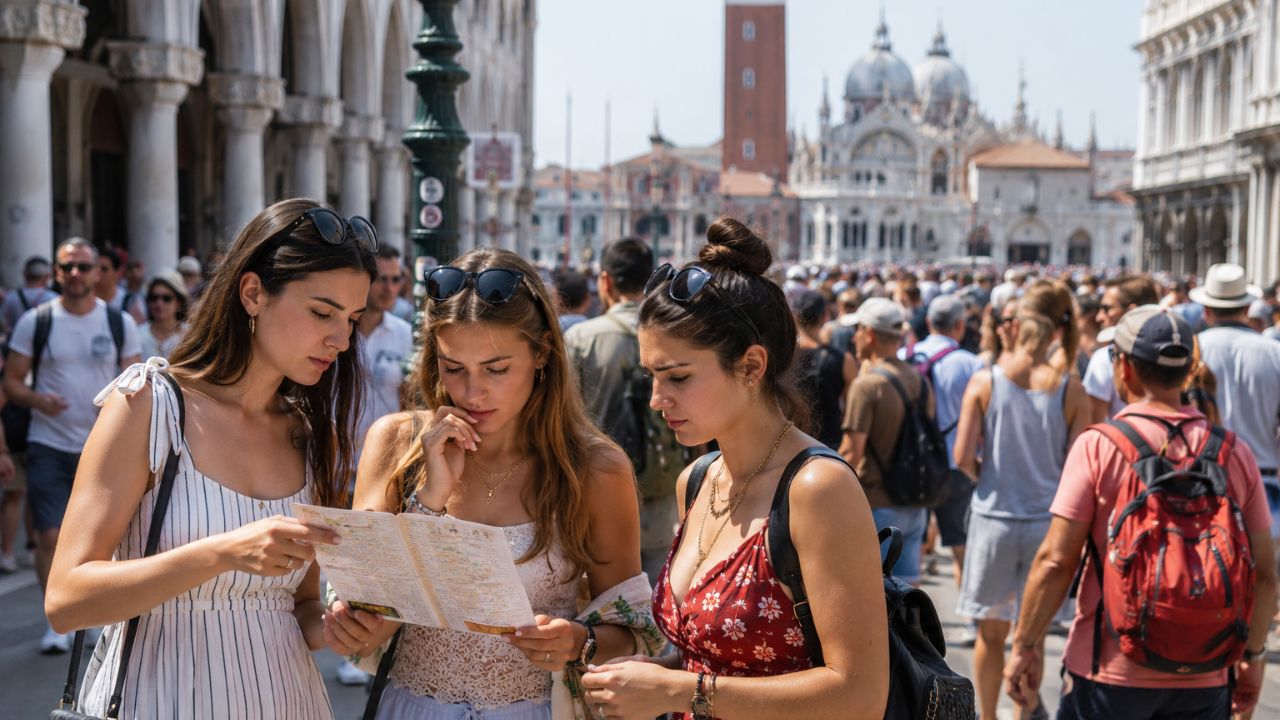
Image generated by AI
In a massive structural defense against the severe travel chaos and sudden flight cancellations generated by unprecedented peak-season congestion, a major European tourism powerhouse has officially escalated its overtourism crisis protocols. Reported on June 21, 2026, as exhausted international tourists frantically monitor the latest airline news for an escape from rolling delays and massive urban gridlock, authorities confirm they are raising visitor entry fees in response to devastating surges of up to 80,000 daily arrivals. By aggressively implementing financial barriers to regulate day-trip tourism, European hubs like Venice, Barcelona, and Amsterdam are actively attempting to shield their fragile infrastructure from total collapse. For passengers attempting to navigate this logistical nightmare and reach critical cultural heritage sites without becoming trapped in terminal and municipal bottlenecks, understanding these new entry taxes is the only tactical method to bypass today's breaking aviation updates.
By introducing direct passenger coordination and dynamic scheduling backups, the regional aviation hubs target growing passenger demand across vital commerce sectors. The choice to coordinate flight departures in phases helps to manage gate capacity, supporting the country's broader regional transportation network without succumbing to massive aviation gridlock.
Context: Eradicating Peak-Season Urban Gridlock
For the modern international traveler, relying on Europe's most iconic historic cities during periods of unregulated peak-season demand is routinely an exercise in mitigating vulnerability and cascading transit failure.
Historically, the European tourism model relied heavily on massive, unrestricted visitor flows feeding directly from high-capacity international airports into dense, ancient city centers. When operations run smoothly, the economic influx is massive. However, when highly concentrated tourist zones receive up to 80,000 short-stay visitors in a single day, the resulting structural travel chaos instantly severs critical public transport links, overwhelms emergency services, and heavily exacerbates regional airport disruptions. Today's decision to sharply increase visitor fees perfectly illustrates a desperate defense against this fragility. By actively deploying tourist taxes, congestion charges, and rigid digital ticketing systems, local municipalities are attempting to completely disrupt the mass-tourism supply chain. This strategy forces travelers to fundamentally alter their behavior—encouraging longer, slower stays—and insulates the local resident population from the paralyzing effects of overwhelming crowds and localized transit failure.
To view live entry restrictions, verify the active deployment of visitor caps, or to track potential heritage site access prior to heading to the airport, travelers must consult official European Union tourism directories. For direct updates regarding how this localized overtourism crisis might shield your onward itinerary from current flight cancellations out of major hubs, travelers should aggressively utilize the official digital portals of their respective destination cities. To explore live transit tracking and monitor the exact severity of the cascading bottlenecks paralyzing alternative European airspace, passengers can consult the official FlightAware tracking service.
Section-Wise Breakdown: The Tactical Tourism Defense
The Epicenter: The 80,000-Visitor Tipping Point
The absolute core of today's crisis response is the sheer, unsustainable volume of international arrivals. Receiving 80,000 daily visitors places catastrophic pressure on fragile public infrastructure, transit networks, and housing availability. Because short-term day-trippers contribute significantly less to the local economy while generating massive waste and transport congestion, city planners are actively weaponizing entry fees. These financial deterrents are specifically designed to reduce peak-time overcrowding and physically block massive surges from overwhelming the city's operational capacity.
Venice: The Pioneer of Anti-Overtourism Governance
Venice remains the ultimate global symbol of aggressive overtourism management. Facing the existential threat of architectural degradation, Venice implemented strict entry fees specifically targeting day-trippers. By enforcing timed entry systems and restricting massive cruise ship dockings, local authorities are fighting to protect the fragile historic zones from being crushed by volume. This model is now the undisputed blueprint for other European destinations desperate to prevent localized transit chaos.
Barcelona and Amsterdam: Regulating the Urban Core
Barcelona, a massive Mediterranean cruise gateway, is battling mass tourism by heavily regulating short-term accommodations and redistributing cruise arrivals away from the hyper-congested center. The goal is to aggressively shift toward "quality tourism," demanding higher-value, longer-staying visitors. Simultaneously, Amsterdam has weaponized tourist tax increases combined with strict behavioral regulations. The city is actively dismantling its reputation as an unrestricted party destination, fighting to reclaim urban livability for residents while maintaining its global cultural status.
Dubrovnik: Defending UNESCO Heritage
In Croatia, the historic city of Dubrovnik is actively executing rigid visitor caps and severe cruise ship limits to protect its highly sensitive Old Town. As a UNESCO-listed heritage site, Dubrovnik requires intense, real-time monitoring of visitor flows. Authorities will execute immediate access denials if capacity is breached, prioritizing the physical preservation of cultural integrity over raw arrival volume.
Technical Roster: Official European Overtourism Regulation Matrix
To ensure absolute factual accuracy regarding the specific regulatory actions, the targeted policy objectives, and the verified operational metrics defining this crisis response, the following matrix details the strictly verified data:
Official European Overtourism Management Matrix
| Regulated City | European Nation | Tactical Policy Approach | Primary Strategic Objective |
|---|---|---|---|
| Venice | Italy | Strict day visitor fee system and timed entry | Reduce catastrophic congestion and protect fragile heritage |
| Barcelona | Spain | Heavy accommodation and cruise arrival regulation | Control massive housing pressure and redistribute crowds |
| Amsterdam | Netherlands | Increased tourist taxes and strict behavioral rules | Improve urban livability and deter disruptive short-stay mass tourism |
| Dubrovnik | Croatia | Hard visitor capacity caps and severe cruise limits | Physically preserve UNESCO heritage status and cultural integrity |
Data accurately reflects the verified tourism governance frameworks and the specific policy implementations reacting to the massive 80,000 daily visitor surges tracking across Europe as of June 21, 2026.
Industry Analysis: The Lethal Ripple of Unregulated Mass Transit
Tourism analysts monitoring the highly volatile European network note that the current surge in visitor fees is a textbook example of "tactical volume suppression."
Analysts emphasize that the rise of low-cost aviation and short-term rental platforms has completely destroyed traditional tourism pacing. When tens of thousands of passengers disembark from low-cost carriers and cruise ships simultaneously, they flood historic centers that were built centuries before mass transit existed. Analysts warn that the resulting 80,000-visitor surges create a highly dangerous feedback loop: massive crowds overwhelm the city infrastructure, which then backs up local transit, eventually causing massive airport disruptions and delayed flights as ground logistics fail. The aggressive implementation of dynamic pricing models, digital ticketing, and strict visitor caps is no longer optional—it is the only viable method for European governments to prevent their most lucrative cultural assets from becoming uninhabitable transit traps.
Actionable Advice for Global Travelers
Because these massive regulatory shifts fundamentally alter the logistics of vacationing in Europe, all international passengers must execute this strategic travel checklist immediately:
- Abandon Spontaneous Day-Trips: If you are currently attempting to execute a spontaneous day-trip to Venice or Dubrovnik, immediately abandon that itinerary. The heavy implementation of digital ticketing and hard capacity caps guarantees that you will be denied entry at the gates if you have not pre-paid the new visitor fees weeks in advance.
- Audit Local Tourist Taxes Before Booking: When facing rolling airport disruptions and rebooking accommodations in Amsterdam or Barcelona, explicitly audit the local tourist tax rates. These fees are increasing rapidly and are collected directly by hotels; failing to budget for these aggressive congestion charges will severely impact your travel capital.
- Pivot to Secondary Destinations: To completely bypass the travel chaos associated with 80,000 daily visitors, immediately pivot your travel plans away from these primary mega-hubs. Utilizing secondary European cities ensures your vacation will not be ruined by restrictive behavior rules, massive crowds, or the inevitable flight cancellations that plague overwhelmed regional airports.
FAQ: European Overtourism Crisis
What massive surge in visitor volume triggered these new policies?
Major European destinations are responding to extreme congestion caused by massive surges of up to 80,000 daily visitors during peak periods.
Which specific European cities are leading the regulation of overtourism?
Venice, Barcelona, Amsterdam, and Dubrovnik have aggressively introduced visitor levies, congestion charges, and rigid access systems.
What is the primary purpose of increasing these European tourist fees?
The fees are designed to generate vital revenue for infrastructure maintenance while actively influencing traveler behavior by discouraging massive surges of short-stay day-trippers.
The Reality of Fragile Global Transit
The aggressive regulatory response executed by European municipalities proves definitively that unregulated mass tourism is fundamentally unsustainable. By actively weaponizing entry fees and rigid capacity caps, European governments have successfully established a defensive barrier against the terrifying gridlock and route volatility associated with unmanageable crowds. Yet, as travelers frantically attempt to secure their historic vacations, they must accept a critical new reality: surviving the massive disruptions of modern global commerce demands tactical destination planning. Navigating the highly compromised European tourism sector requires a complete refusal to accept passive stranding, and the absolute discipline to aggressively seek stable, well-regulated destinations when traditional mass-tourism models inevitably collapse.
Key Takeaways
- Massive Visitor Surges: European destinations are suffering catastrophic infrastructure strain from peak volumes reaching 80,000 daily visitors.
- Aggressive Fee Implementation: Cities are heavily raising tourist taxes and entry fees to offset maintenance costs and combat the overtourism crisis.
- Venice Leads Regulation: Italy’s famous canal city continues to execute the most aggressive day-tripper fee and timed entry systems globally.
- Cruise and Housing Control: Barcelona and Dubrovnik are aggressively implementing hard capacity caps and cruise arrival limits to protect their UNESCO heritage.
- Behavioral Deterrents: Amsterdam has combined higher taxes with strict behavioral rules to combat disruptive, short-term mass tourism.
Related Travel Guides
Massive Travel Chaos Paralyzes Chicago O'Hare with 1,425 Disruptions
Disclaimer
This article is for informational and educational purposes only. It does not constitute legal, financial, or professional advice. While we strive to provide accurate and up-to-date information, travel policies, regulations, and conditions change rapidly. Always verify information with official sources before making travel decisions. Nomad Lawyer makes no representations about the accuracy, reliability, completeness, or suitability of the information provided. Readers should consult qualified professionals for advice specific to their circumstances. The views expressed in this article are those of the author and do not necessarily reflect the views of Nomad Lawyer.
Kunal K Choudhary
Co-Founder & Contributor
A passionate traveller and tech enthusiast. Kunal contributes to the vision and growth of Nomad Lawyer, bringing fresh perspectives and driving the community forward.
Learn more about our team →