
European Short-Term Rental Guide 2026: Airbnb Bans, National Registries, and Overtourism Laws

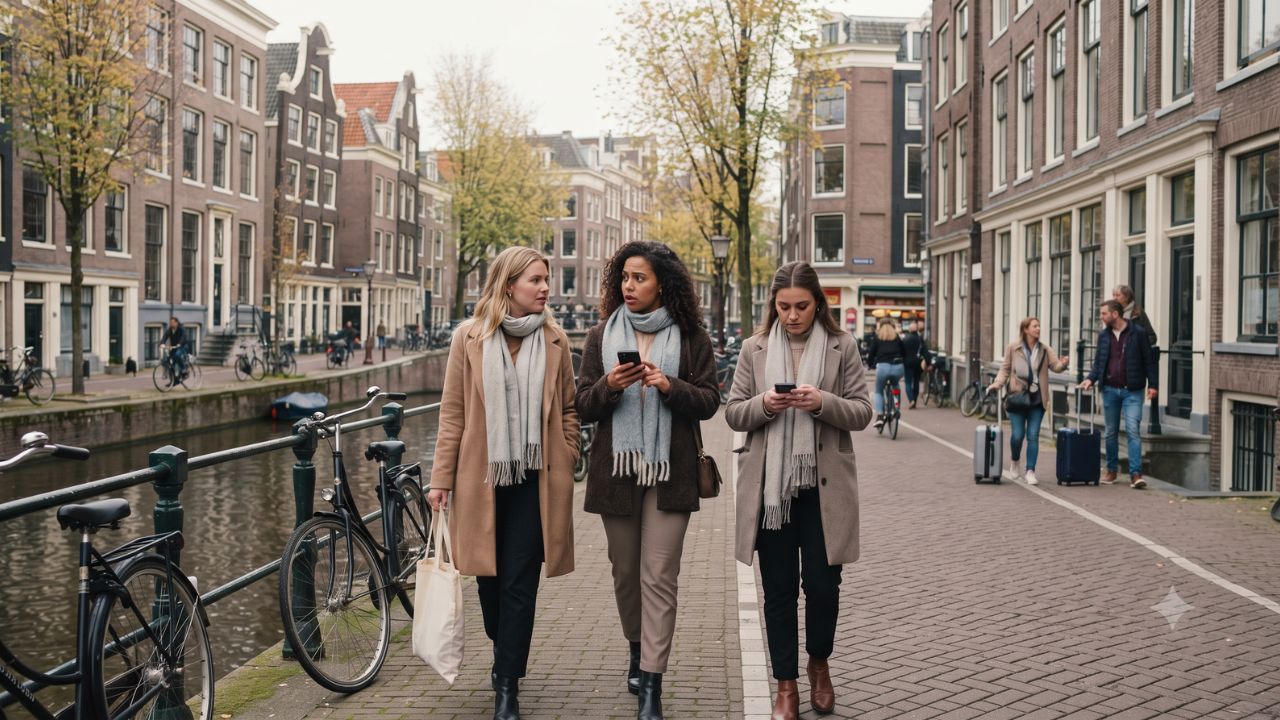
While millions of vacationers have grown accustomed to booking historic city-center apartments across Europe, cities like Barcelona are actively revoking all 10,000+ short-term rental licenses by 2028, as European nations unite under a binding regulatory framework to reclaim residential neighborhoods from hyper-tourism. From Amsterdam’s strict 30-night annual limit and investment property exclusions to Italy’s mandatory National Identification Code (CIN), the era of unregulated vacation rentals across the European Union is closing under the enforcement of European Union Regulation 2024/1028.
For international travelers planning holidays across the continent, this legislative shift fundamentally changes how and where you book accommodation. Unregistered listings face automated delisting within 48 hours, investor-owned holiday flats are being phased out in favor of permanent local residents, and booking an illegal rental risks sudden last-minute reservation cancellations. Travelers who understand these new housing laws can choose certified, community-respectful accommodations while discovering Europe’s authentic cultural quarters.
Legislative Matrix: Country-by-Country Short-Term Rental Crackdowns
Across Western and Southern Europe, national governments and municipal councils have deployed aggressive legal interventions to break the cycle of skyrocketing rents and residential displacement. Rather than operating in isolation, member states now share data through centralized digital entry points that verify property codes, track guest nights, and prevent speculative corporate landlordism.
The scope of these nationwide measures demonstrates how decisively the regulatory environment has shifted:
- The Netherlands: Amsterdam strictly enforces a 30-night annual cap on primary-residence vacation rentals, with municipal proposals considering 15-night caps in saturated quarters like Centrum and De Pijp. Corporate and investor-owned secondary flats are barred from holiday letting without commercial zoning permits that are virtually never approved. All listings must display a verified municipal number or face mandatory 48-hour platform removal.
- Spain: Leading the anti-overtourism movement, Barcelona has initiated the complete elimination of all 10,000+ tourist apartment licenses by November 2028. Nationally, Spain established the mandatory National Single Rental Registry (NRUA), while cities like Valencia, Palma de Mallorca, and San Sebastián have instituted total freezes on new vacation rental permits.
- Portugal: Under the national Mais Habitação (More Housing) law, the government froze all new short-term rental licenses in high-density urban areas like Lisbon and Porto, while terminating the real estate investment route of its Golden Visa program.
- Italy: Introduced the mandatory National Identification Code (CIN), requiring physical QR and alphanumeric codes posted outside residential entryways and on online booking pages under threat of heavy fines. Florence enacted a total ban on new short-term holiday rentals across its UNESCO-listed historic center, while Venice introduced day-tripper entry fees.
- Greece: Enacted multi-year moratoriums on new short-term rental licenses across central Athens neighborhoods while raising Golden Visa foreign property investment minimums.
- France: Enforces a rigid 120-night annual limit on primary residences in Paris, Lyon, and Nice. In Paris, secondary properties require commercial conversion approval, obligating owners to purchase and convert an equivalent commercial footprint into permanent residential housing.
| European Nation | Signature Regulatory Mechanism | Core Operational Restriction | Impact on Visiting Travelers |
|---|---|---|---|
| Netherlands | Mandatory National Registration | 30-night annual cap; investor flats banned | Severe shortage of central Airbnb inventory |
| Spain | National Registry (NRUA) & License Revocation | Barcelona phasing out 10,000+ licenses by 2028 | Shift toward licensed boutique hotels |
| Portugal | Mais Habitação Urban License Freeze | Moratorium on new licenses in Lisbon & Porto | Focus on regulated rural & coastal guesthouses |
| Italy | National Identification Code (CIN) | Mandatory physical codes; Florence center ban | Unregistered listings canceled automatically |
| Greece | Neighborhood Moratoriums & Visa Hikes | Central Athens permit freeze | Fewer apartments in core archaeological zones |
| France | 120-Night Cap & Commercial Offsets | Strict Paris primary residence limits | Rising demand for traditional aparthotels |
What Makes Historic European Urban Fabrics Vulnerable to Overtourism
The rapid conversion of long-term apartment buildings into rotating holiday flats eroded the cultural fabric of Europe’s most storied cities. In historic quarters protected under the UNESCO World Heritage Centre—such as the canal rings of Amsterdam, the Gothic Quarter of Barcelona, and the historic center of Florence—entire stairwells were converted into de facto hotels, displacing generational bakeries, butcher shops, and healthcare workers.
By enforcing centralized digital property registries, European cities are actively protecting the living communities that make these historic centers worth visiting. When local families remain in historic districts, traditional cafes, artisan workshops, and neighborhood markets continue to thrive rather than being replaced by generic souvenir stands and automated luggage lockers.
Local municipal portals, including I amsterdam, emphasize that dispersing visitor accommodation across secondary neighborhoods and utilizing certified family-run hotels creates a healthier balance between residents and travelers.
| Historic Urban Center | Primary Heritage Area | Core Overtourism Pressure | Municipal Policy Response |
|---|---|---|---|
| Amsterdam Canal Ring | UNESCO 17th-century canal belt | Loss of permanent residential community | 30-night cap & 48-hr delisting mandate |
| Barcelona Ciutat Vella | Gothic Quarter & Eixample | Rapid rental inflation & mass protests | Total elimination of holiday licenses by 2028 |
| Florence Centro Storico | Renaissance architectural core | Residential hollow-out in historic center | Total ban on new short-term rental permits |
| Venice Lagoon & Historic City | Historic maritime canals | Severe depopulation & overcrowding | Access entry fees & rental expansion limits |
| Paris Historic Rive Droite | Marais & Latin Quarter | Severe reduction of long-term rentals | Strict 120-night limit & commercial offsets |
Visitor Insider Tips
- Verify the Official Registration Code Before Booking: When searching for an apartment rental in Italy, Spain, France, or the Netherlands, check that the listing displays a valid registration code (such as a CIN in Italy or an official registration number in Amsterdam). Listings lacking valid credentials risk immediate cancellation by booking platforms.
- Choose Certified Independent and Boutique Hotels: Avoid housing-market conflicts by booking established, certified boutique hotels, family-run pensions, or official aparthotels (residences de tourisme). These businesses pay local commercial taxes, support permanent unionized hospitality jobs, and operate within zoned commercial infrastructure.
- Base Yourself in Outer Residential Neighborhoods: Instead of staying in saturated historic centers, choose neighborhood districts connected by high-speed metro and tram networks. In Amsterdam, explore Amsterdam-Noord or Oost; in Barcelona, stay in Poblenou or Gràcia; in Paris, choose the 11th or 19th arrondissements.
- Support Neighborhood Commercial Ecosystems: During your stay, shop at local bakeries (boulangeries or panaderías), neighborhood fruit markets, and local corner bistros rather than international delivery apps, directly contributing to the local neighborhood economy.
Cultural and Environmental Context
The coordinated European crackdown on holiday rental platforms aligns with broader urban sustainability frameworks across the European Union. Uncontrolled holiday rentals place excessive strain on municipal waste management systems, historic water infrastructure, and public transit networks designed for stable resident populations.
Under the EU Short-Term Rental Data Sharing Regulation (EU 2024/1028), city councils receive automated monthly data feeds detailing occupancy rates and host identities. This transparency enables urban planners to protect green spaces, preserve affordable housing stock for essential civic workers, and ensure that tourism enriches host communities rather than destabilizing them. International travelers who respect local housing rules actively foster a more sustainable, welcoming travel culture across Europe.
FAQ: European Short-Term Rental Rules 2026
What is the new Airbnb rule in Amsterdam?
Amsterdam restricts primary-residence vacation rentals to a maximum of 30 nights per calendar year, bans short-term lets in investor-owned secondary properties, and requires a verified registration number on every listing.
When will Barcelona ban all short-term tourist rentals?
Barcelona has enacted a plan to phase out and revoke all 10,000+ short-term tourist apartment licenses by November 2028, returning the properties to the residential market.
What is Italy's National Identification Code (CIN)?
The CIN is a mandatory national code that all Italian short-term rental properties must display online and physically outside the building to verify safety and tax compliance.
How do European rental limits affect travelers?
Travelers will find fewer unregulated residential apartments in historic centers, making early reservations for certified boutique hotels, B&Bs, and official aparthotels essential.
By respecting local housing boundaries and choosing responsible lodging, travelers help ensure Europe's historic cities remain thriving living communities for generations to come.
Related Travel Guides
- Uganda Travel Guide 2026: Return Flight Regulations and Gorilla Safaris
- Portugal Vitality Tourism Guide 2026: Why Lisbon Leads the Happiness Index
- Crete Storm and Travel Advisory Guide 2026: Flood Impacts and Samaria Gorge
- Baracoa Travel Guide 2026: Eastern Cuba Access and Humboldt Rainforest Trails
Disclaimer
This article is for informational and educational purposes only. It does not constitute legal, financial, or professional advice. While we strive to provide accurate and up-to-date information, travel policies, regulations, and conditions change rapidly. Always verify information with official sources before making travel decisions. Nomad Lawyer makes no representations about the accuracy, reliability, completeness, or suitability of the information provided. Readers should consult qualified professionals for advice specific to their circumstances. The views expressed in this article are those of the author and do not necessarily reflect the views of Nomad Lawyer.
Raushan Kumar
Founder & Lead Developer
Full-stack developer with 11+ years of experience and a passionate traveller. Raushan built Nomad Lawyer from the ground up with a vision to create the best travel and law experience on the web.
Learn more about our team →