
EU Carbon Trading Expansion: The New Pressure on Global Aviation
IATA warns that expanding the EU Emissions Trading System beyond Europe could hike ticket prices and disrupt global aviation regulations.

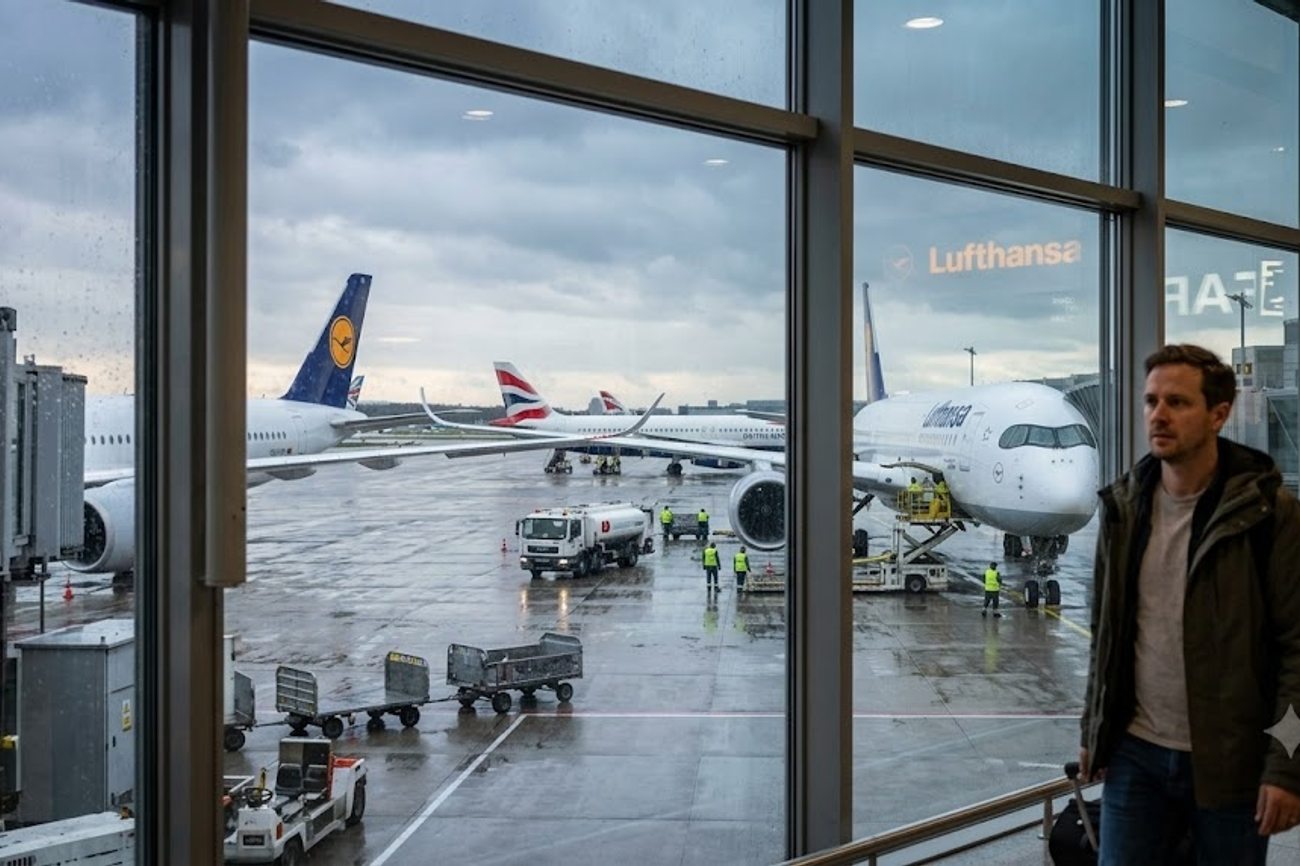
Image generated by AI
The Local Trend Revealed
A regulatory shift is brewing in European airspace that could fundamentally change how you pay for your next international flight. The European Commission is proposing an expansion of the European Union Emissions Trading System (EU ETS)—a cap-and-trade model active since 2005—to include flights departing Europe to destinations within approximately 5,000 kilometres.
Currently, the EU ETS primarily covers flights within the European Economic Area. This proposed expansion would force airlines to purchase additional emissions allowances for a vast array of international corridors. While ultra-long-haul flights to North America and Asia-Pacific remain excluded for now, the "mid-haul" sector is squarely in the crosshairs. The International Air Transport Association (IATA) has sounded the alarm, arguing that this move mirrors a failed policy from a decade ago that sparked diplomatic clashes with the US, China, and India.
Cultural & Environmental Value
For the traveler, the real impact is a tension between immediate cost and long-term planetary health. The EU views this as a necessary step toward its climate ambitions, pushing the aviation sector to accelerate its transition to Sustainable Aviation Fuel (SAF) and fleet modernization. However, the industry argues that regional mandates undermine the Carbon Offsetting and Reduction Scheme for International Aviation (CORSIA), the globally agreed framework managed by the International Civil Aviation Organization (ICAO).
The financial burden will not be shared equally. Major European legacy carriers—specifically Lufthansa Group (including SWISS, Austrian Airlines, Brussels Airlines, and Eurowings), Air France-KLM, and British Airways—along with Gulf hub airlines, face the highest exposure. Because these carriers operate the densest networks within the 5,000km radius, they are most likely to see operating costs spike, a cost that analysts suggest will eventually be passed down to passengers via higher airfares.
Visitor Insider Tips
If you are planning travel to or from Europe during this regulatory transition, keep these practicalities in mind:
- Book Mid-Haul Early: As airlines like Lufthansa and Air France-KLM navigate these potential cost increases, "dynamic pricing" may fluctuate more aggressively on routes to North Africa, the Middle East, and Central Asia.
- Track "Green" Surcharges: Look for transparency in your ticket breakdown. Some carriers are beginning to separate "environmental contributions" from the base fare; understanding these can help you compare the actual cost of flights.
- Support SAF-Driven Carriers: To support the local transition to eco-tourism, prioritize airlines that offer direct "SAF contributions" at checkout. This directly supports the infrastructure the EU is trying to incentivize.
- Off-Peak Windows: To avoid the price hikes associated with high-demand corridors, target the "shoulder seasons" (April-May and September-October) for European departures.
Tourism Outlook
The long-term trajectory of European tourism depends on whether the bloc can balance aggressive climate goals with economic viability. If the EU ETS expansion proceeds, we may see a shift in hub dynamics, where passengers opt for longer layovers in non-EU hubs to avoid the carbon-priced legs of their journey. However, if the EU pivots toward IATA's suggestion—prioritizing SAF incentives over penalties—Europe could lead the world in sustainable aviation technology, making it the premier destination for the eco-conscious nomad.
Related Travel Guides
Disclaimer
This article is for informational and educational purposes only. It does not constitute legal, financial, or professional advice. While we strive to provide accurate and up-to-date information, travel policies, regulations, and conditions change rapidly. Always verify information with official sources before making travel decisions. Nomad Lawyer makes no representations about the accuracy, reliability, completeness, or suitability of the information provided. Readers should consult qualified professionals for advice specific to their circumstances. The views expressed in this article are those of the author and do not necessarily reflect the views of Nomad Lawyer.
Raushan Kumar
Founder & Lead Developer
Full-stack developer with 11+ years of experience and a passionate traveller. Raushan built Nomad Lawyer from the ground up with a vision to create the best travel and law experience on the web.
Learn more about our team →