
Etihad Rail Launches First Passenger Service Abu Dhabi to Fujairah June 30, 2026: UAE's Game-Changing Railway Revolution
Etihad Rail officially begins passenger operations June 30, connecting Abu Dhabi and Fujairah in 1 hour 45 minutes, reshaping UAE tourism and sustainable travel across the Emirates with high-speed trains and modern infrastructure.

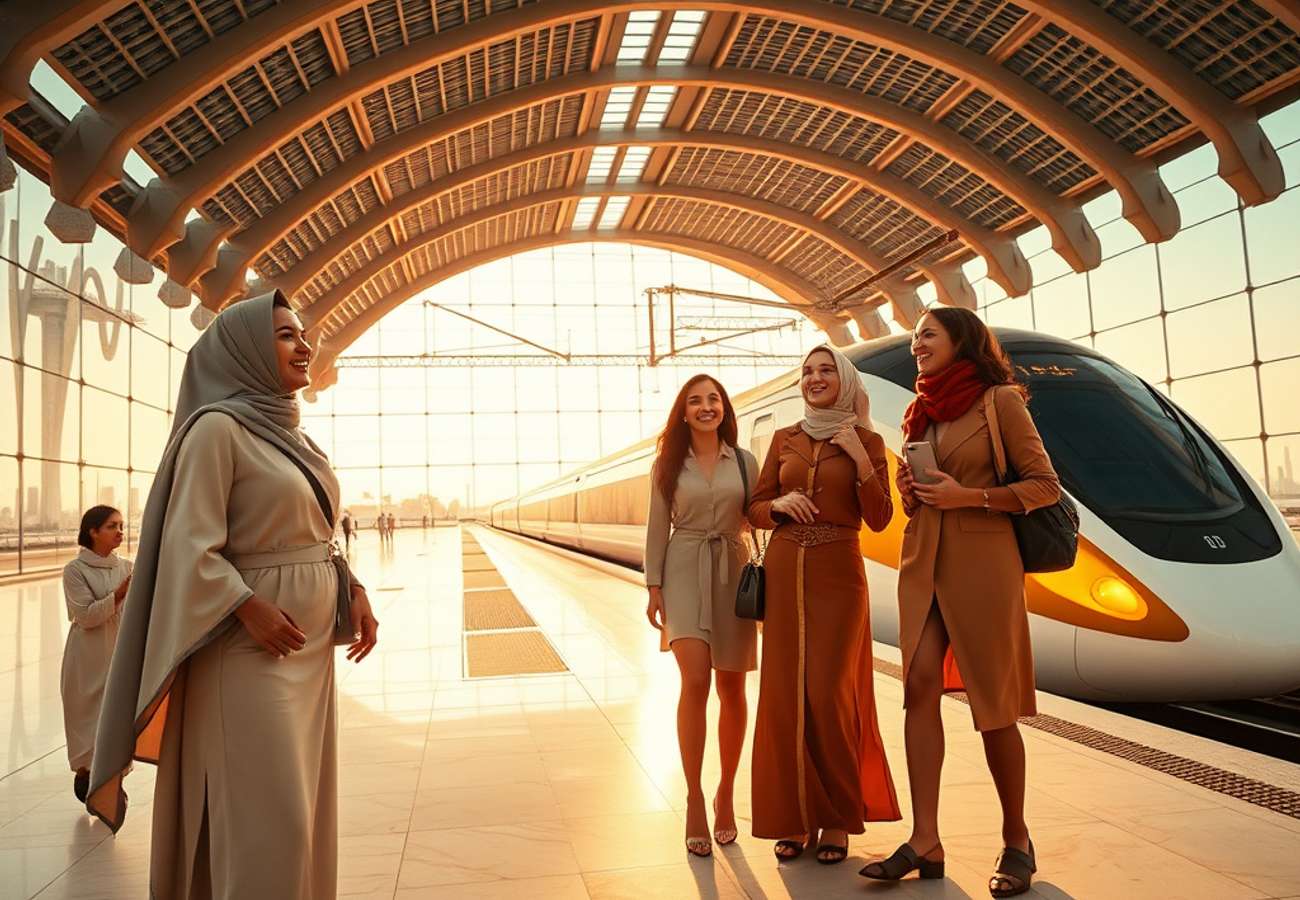
Image generated by AI
The United Arab Emirates just entered a new transportation era. On June 30, 2026, Etihad Rail officially launches its first passenger service, connecting Abu Dhabi and Fujairah with a game-changing rail link that promises to reshape tourism, reduce road congestion, and cement the nation's commitment to sustainable travel. This isn't just another infrastructure project—it's a watershed moment for the entire region.
I watched the anticipation build for this launch, and the numbers tell the story. A complete journey between the two emirates now takes just one hour and forty-five minutes, making this one of the fastest land transport options in the Gulf. But speed is only part of the equation. What's truly transformative is what this rail network represents: a shift toward integrated, efficient, and environmentally conscious regional mobility.
The Launch That Changes Everything
June 30 marks the official beginning of commercial operations on the Mohamed bin Zayed City station in Abu Dhabi, with trains heading east toward Fujairah's coastal gateway. The inaugural service represents only the first phase of a sprawling 900-kilometre national network that will eventually blanket the entire UAE.
Reddit: "This is huge for weekend trips—I can finally get to Fujairah without sitting in traffic for hours." — r/UAEtravel
The scale of this investment is staggering. Etihad Rail has deployed 13 passenger trains capable of reaching speeds up to 200 km/h, each carrying 400 passengers per journey. This is international-caliber infrastructure, and it's operational right now.
Ticket Pricing and Service Classes
The railway operator has kept fares competitive to encourage adoption. Comfort Class tickets start from Dh55 (approximately $15 USD), while Premium Class begins at Dh120 ($33 USD). That's remarkably affordable for a 105-minute intercity journey on a modern, climate-controlled train.
Passengers get more than basic seating. Both classes feature spacious layouts, onboard dining, digital ticketing through the official Etihad Rail website and mobile app, and access to modern station facilities including waiting lounges, retail outlets, and customer services.
Tourism Reshuffled: Fujairah Becomes Accessible
Here's what excites tourism analysts: Fujairah has always been the underdog destination in UAE tourism. It sits on the Gulf of Oman, offering mountain scenery, heritage forts, diving opportunities, and beaches that feel worlds away from the metropolitan bustle of Dubai and Abu Dhabi. Distance and road congestion kept many day-trippers away.
Not anymore. The new railway station is strategically positioned just 12 minutes from Fujairah International Airport, 5 minutes from Sakamkam Fort (a 16th-century heritage site), and 6 minutes from Umbrella Beach—one of the region's most Instagram-worthy coastal spots.
Reddit: "Finally, a reason to explore the eastern coast without renting a car." — r/TravelUAE
Integrated shuttle services from Abu Dhabi's station connect travelers directly to major landmarks—ADNEC Centre (convention hub), Reem Mall (retail district), and ADNOC Headquarters. Booking shuttles works seamlessly through the same platform as rail tickets, creating a fully synchronized travel experience.
The Station Network: A Phased Expansion
The Abu Dhabi–Fujairah route is just the beginning. Etihad Rail is rolling out additional stations across multiple phases:
Mohamed bin Zayed City opens June 30, 2026 (already live).
Jumeirah Golf Estates and Al Dhaid follow on September 30, 2026.
Al Dhafra arrives December 30, 2026.
University City Sharjah launches March 30, 2027.
Future stations at Al Sila, Al Mirfa, Madinat Zayed, and Liwa will eventually stretch the network to all major emirates, fundamentally rewiring how millions move across the country.
Sustainability at Scale
The UAE's environmental commitments aren't theoretical—they're embedded in this railway. According to research from sustainable transport advocates, rail systems consume roughly 75% less energy per passenger than private vehicles. As more UAE residents and tourists shift from cars to trains, traffic congestion drops, fuel consumption plummets, and greenhouse gas emissions decline measurably.
The government projects that this rail network will attract approximately 36 million passengers annually by 2030. That's 36 million vehicle journeys eliminated from highways, parking lots, and urban streets.
Economic Ripple Effects
Beyond mobility, the railway catalyzes economic transformation. Communities surrounding new stations will experience commercial development, retail investment, residential demand surges, and hospitality expansion. Business travelers gain predictable, time-efficient intercity routes. Hotels, restaurants, and attractions distribute tourism spending across multiple emirates instead of concentrating it in Dubai and Abu Dhabi.
The entire project represents one of the region's largest infrastructure investments in decades—a statement that Saudi Arabia, Qatar, Oman, Bahrain, and Kuwait are watching closely as they develop their own regional transportation strategies.
A New Standard for Gulf Travel
What strikes me most about Etihad Rail isn't the speed or the pricing—it's the ambition. The UAE is signaling that modern, sustainable, integrated transportation isn't a luxury for wealthy nations. It's infrastructure that developing tourism economies must build to compete globally.
The passenger service that launches on June 30 will carry commuters, tourists, business travelers, and families discovering new corners of their own country. Each journey reinforces a simple truth: the future of Gulf tourism moves on steel rails, not bumper-to-bumper highways.
This is how regions transform. One train at a time.
The rails are laid. The trains are ready. The question isn't whether Etihad Rail will succeed—it's how quickly the rest of the Gulf will follow.
Related Travel Guides
Disclaimer
This article is for informational and educational purposes only. It does not constitute legal, financial, or professional advice. While we strive to provide accurate and up-to-date information, travel policies, regulations, and conditions change rapidly. Always verify information with official sources before making travel decisions. Nomad Lawyer makes no representations about the accuracy, reliability, completeness, or suitability of the information provided. Readers should consult qualified professionals for advice specific to their circumstances. The views expressed in this article are those of the author and do not necessarily reflect the views of Nomad Lawyer.
Kunal K Choudhary
Co-Founder & Contributor
A passionate traveller and tech enthusiast. Kunal contributes to the vision and growth of Nomad Lawyer, bringing fresh perspectives and driving the community forward.
Learn more about our team →