Eswatini Tourism Surges as Regional African Travel and Living Heritage Drive Record Arrivals

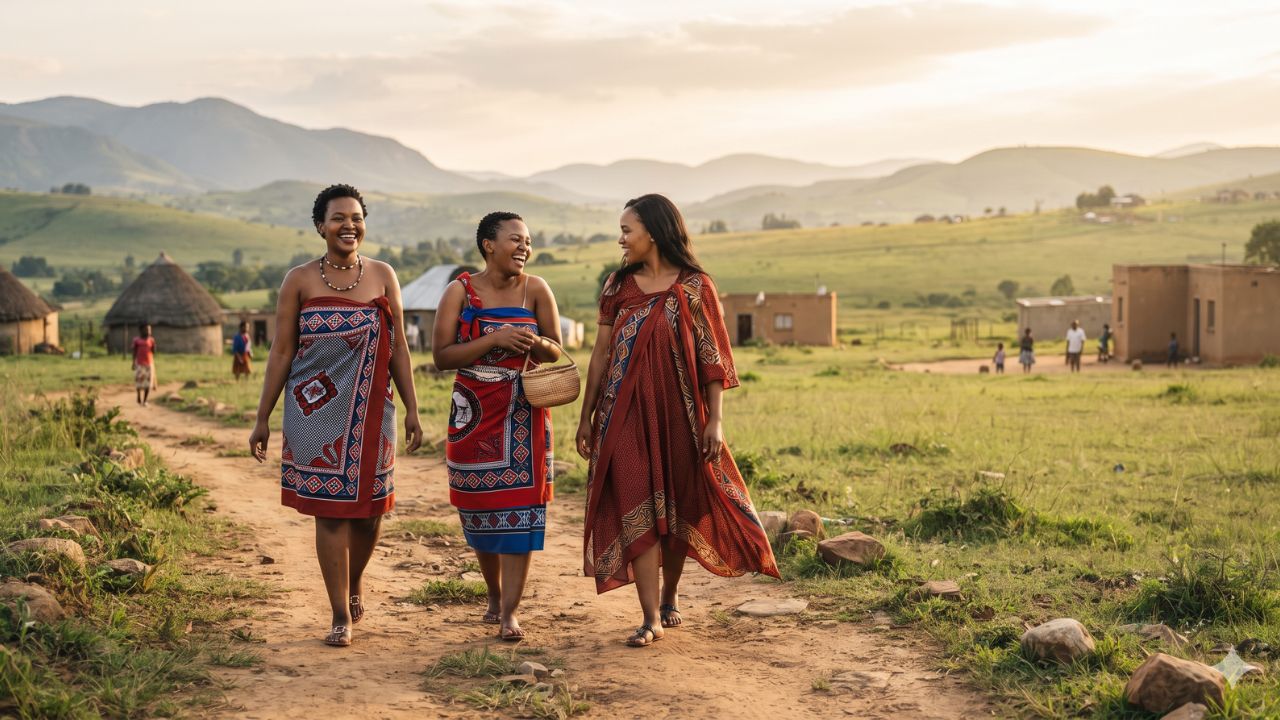
While many landlocked nations struggle in the shadow of larger neighbours, the Kingdom of Eswatini welcomed 868,352 international visitors between January and September 2026—a 9.7% year-over-year surge propelled not by Western mass tourism, but by a 71.1% spike from Botswana, 73.8% from Lesotho, and an astonishing 175% leap from Brazil. Crossing the border into this highveld mountain monarchy reveals an authentic cultural rhythm where age-old ceremonial traditions, granite hills, and community-led conservancies operate on their own terms.
Official immigration data confirms that September 2026 marked nine consecutive months of uninterrupted visitor expansion, processing 96,720 foreign arrivals for an overall 6.6% annual increase. Building on the landmark momentum of 2025, when full-year entries surpassed 1,000,000 visitors for the first time, Eswatini is proving that regional integration and sovereign heritage preservation can establish a resilient, self-sustaining tourism economy across Southern Africa.
Intra-African Mobility Fuels Eswatini's Historic Nine-Month Inbound Streak
The engine powering this sustained growth is the Southern African Development Community (SADC) corridor. Total cross-border movements originating across the African continent expanded by 7.4% during September 2026. Non-resident arrivals from neighboring Mozambique rose by 26.9%, while transit traffic from Botswana soared by 71.1%. In the third quarter of 2026, arrivals from the mountain enclave of Lesotho grew by 73.8%, alongside a 9.1% uptick from Tanzania.
Even with a minor 3.9% softening from South Africa, overall regional demand remained overwhelmingly positive. This geographic realignment demonstrates how domestic African holidaymakers and regional business travelers provide a dependable economic buffer against long-haul economic shifts.
Intercontinental patterns revealed notable regional divergence. Across the Americas, total arrivals increased by 4.7% during September 2026. Canadian visitors expanded by 23.2% and Brazilian travelers jumped by 175%, counterbalancing an 11.7% contraction from the United States. In Europe, where arrivals nudged upward by 1.9%, strong interest from Germany (+12.0%) and Belgium (+7.3%) offset significant retreats in Nordic markets, including Norway (-40.6%) and Sweden (-52.2%). In the Asia-Pacific territory, which contracted by 6.9% overall due to declines in China (-46.9%), Taiwan (-25.5%), Australia (-14.0%), and India (-9.4%), South Korea bucked the trend with a 34.8% expansion. Simultaneously, inbound traffic from the Middle East grew by 4.1%, propelled by an influx from Israel (+50%) and Kuwait (+100%).
What Makes the Kingdom of Eswatini Distinct in Southern Africa
Unlike destinations where indigenous customs survive primarily as staged spectacles for tour buses, Eswatini remains one of the world's last absolute monarchies where cultural ceremonies dictate civic life. In September, the sacred Umhlanga (Reed Dance) draws tens of thousands of Swazi maidens to the royal village of Ludzidzini in an extraordinary display of song, synchronized dance, and national pride. Concurrently, contemporary urban gatherings like the Eswatini Kota Festival celebrate regional street food and youth enterprise in Mbabane.
The country's physical setting adds to this distinction. Protected areas stewarded by Big Game Parks Eswatini provide open wildlife sanctuaries free of commercial vehicle jams. In reserves such as Mlilwane Wildlife Sanctuary and Hlane Royal National Park, travelers walk or mountain bike past white rhinos, zebras, and antelopes against the backdrop of the sacred Nyonyane Mountain. Information on community heritage trails and regional crafts is documented by the official Eswatini Tourism Authority.
The kingdom is also advancing archaeological and geological conservation. Ancient granite peaks in the northwest, tied to the Barberton Makhonjwa chain recorded by the UNESCO World Heritage Centre, feature rock formations dating back more than 3.5 billion years, offering exceptional hiking terrain for geology enthusiasts.
Data Breakdown: Eswatini Inbound Source Markets and Tourism Metrics 2026
The statistical profile below illustrates the performance across primary regional and intercontinental travel source markets for September 2026:
| Geographic Source Market | September 2026 Growth Rate | Core Growth Drivers & Travel Segments |
|---|---|---|
| Botswana | +71.1% | Regional business mobility, corporate trade, shopping excursions |
| Lesotho | +73.8% (Q3 2026) | Intra-SADC regional leisure, sports fixtures, cultural events |
| Brazil | +175.0% | Long-haul ecotourism, heritage travel, independent safari exploration |
| South Korea | +34.8% | Educational tourism, independent travel, nature photography |
| Mozambique | +26.9% | Cross-border trade, weekend leisure getaways, family visits |
| Canada | +23.2% | Overland adventure travel, cultural immersion tours, wildlife safaris |
| Germany | +12.0% | Nature-focused multi-country self-drive circuits, eco-lodges |
| Tanzania | +9.1% | Regional trade delegations, sports meets, cultural exchanges |
| Belgium | +7.3% | Cultural heritage travel, guided overland tours, conservation visits |
| Kuwait | +100.0% | Premium safari getaways, private luxury lodge retreats |
| Israel | +50.0% | Wildlife adventure travel, bespoke regional itineraries |
Visitor Insider Tips
Experiencing Eswatini with ease requires practical familiarity with cross-border transport, local currencies, and cultural etiquette.
- Border Post Logistics: When driving from Johannesburg, the Ngwenya/Oshoek border post is the most direct entry point, but it experiences heavy freight traffic during holiday weekends. For a quieter crossing with faster processing times, use the scenic Matsamo border post in the north or the Lavumisa post when entering from KwaZulu-Natal.
- Currency and Financial Operations: The local currency, the Lilangeni (plural Emalangeni), is pegged 1:1 to the South African Rand. South African Rand banknotes are accepted everywhere across Eswatini without fee deductions. However, ensure you spend or exchange your Emalangeni before exiting the country, as they are rarely accepted in South Africa.
- Addressing Shortened Stays: The average length of stay contracted slightly to 1.72 nights in September 2026, down from 1.82 nights in September 2025, driven by swift weekend border hops. To experience the country authentically, plan at least four nights, combining the Ezulwini Valley craft markets with hiking in the Malolotja Nature Reserve.
- Cultural Etiquette at Ceremonies: Visitors attending public ceremonial gatherings must dress respectfully. Shoulders and knees should remain covered, and travelers should avoid wearing revealing athletic wear near royal residences. Always seek permission before photographing elders, traditional dancers, or ceremonial participants.
- Regional Culinary Specialties: Taste genuine Swazi flavours by seeking out sour porridge (incwancwa), slow-cooked goat stew, and roasted maize along roadside stalls. In town centres, try a fresh township kota—a hollowed-out quarter loaf of white bread packed with spiced polony, chips, and tangy atchar.
Cultural and Environmental Context
The rapid expansion of cross-border tourism brings distinct opportunities and management obligations to Eswatini's hospitality sector. Spreading traveler expenditure beyond the Mbabane-Manzini urban corridor into remote mountain chiefdoms is essential for community survival. When visitors hire local guides in Shewula or purchase soapstone carvings in Piggs Peak, tourism revenue directly supports clean water projects, health clinics, and rural schools.
To formalize operations and protect service quality, the Eswatini Tourism Authority recently signed a Strategic Memorandum of Understanding with the Eswatini Revenue Service. This framework simplifies digital tax compliance and encourages the adoption of artificial intelligence tools to streamline border clearance, reservation systems, and transport tracking.
At the same time, environmental preservation remains an absolute priority. Landlocked ecosystems are fragile, and expanded vehicle fleets can stress unpaved roads and wildlife corridors. By promoting low-impact walking safaris, community-managed conservancies, and eco-lodge standards, Eswatini is ensuring that its living heritage and natural sanctuaries remain protected for generations to come.
FAQ: Visiting Eswatini in 2026 and 2027
What is the best time of year to visit Eswatini?
May through September offers dry, mild weather ideal for game viewing and outdoor hiking. September is especially memorable as it hosts the world-famous Umhlanga (Reed Dance) national ceremony.
Do international tourists need a separate visa for Eswatini?
Citizens of the United States, Canada, the United Kingdom, the European Union, and SADC nations do not require a tourist visa for stays up to 30 days.
How do travelers reach Eswatini from Johannesburg?
Travelers can take a short 45-minute commercial flight into King Mswati III International Airport or complete a scenic 4-hour drive via the Ngwenya border post on well-maintained highways.
Can I drive a rental car across the border into Eswatini?
Yes. Inform your car rental company in advance to obtain a cross-border letter of authority, which must be presented alongside vehicle registration papers at the border post.
Beyond the numbers and statistics, the true wonder of Eswatini lingers in the quiet dusk of the highveld, where the mountains welcome the traveler not as an outsider, but as an honoured guest.
Related Travel Guides
Eswatini Ranks 8th Strongest Passport in Africa With Visa-Free Access to 78 Destinations in 2026
East Africa Tourist Visa Guide: Kenya, Uganda, and Rwanda 2026
The 10 Best Cultural Escapes in Southern Africa, According To Reddit
This article is for informational purposes. Flight routes, passenger regulations, visa rules, and transit advisories are subject to change by airlines and aviation authorities. Readers are advised to verify schedules and travel documentation with relevant carriers and border agencies before departure.
Related Stories
Global Gastronomic Tourism Sector Forecast to Surge to $143 Billion by 2032: Asian Flavors, Wellness, and Sustainable Food Systems

Greece Tourism Generates €4.87 Billion in Record August Boom Driven by Italian and German Voyagers