
Energy Alternatives Surge as Middle East Conflict Disrupts Global Fuel Supply
A 20% global fuel supply cut from Middle East tensions forces nations to accelerate energy alternatives adoption. Renewable energy and strategic fuel diversification reshape travel, logistics, and tourism infrastructure in 2026.

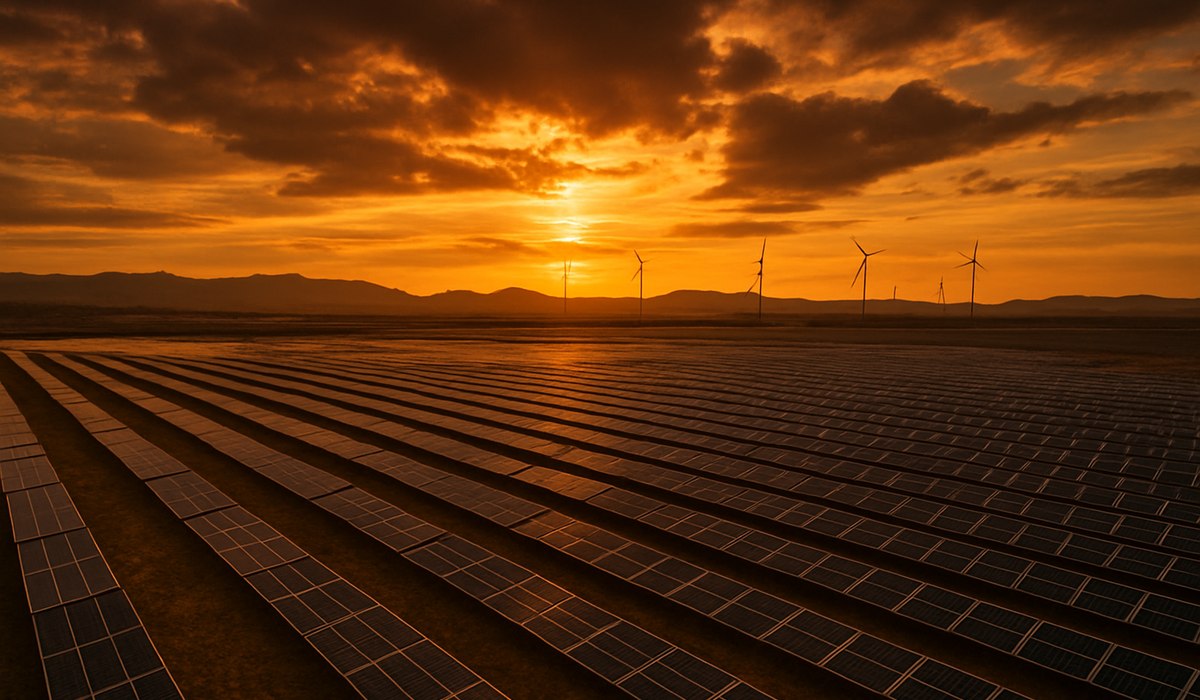
Image generated by AI
A Global Energy Crisis Reshapes Travel and Transportation Networks
Geopolitical tensions in the Middle East have disrupted approximately 20% of the world's fuel supply, forcing governments and private enterprises worldwide to pivot toward energy alternatives with unprecedented urgency. The ongoing energy shortfall is no longer a future concern—it's reshaping how travelers move, where tourism infrastructure develops, and which nations lead the renewable energy transition. From airport operations to hotel energy grids, the travel industry confronts immediate pressures and long-term structural changes as energy alternatives become survival strategies rather than sustainability initiatives.
The Scale of the Energy Crisis
The magnitude of current fuel supply disruptions extends far beyond headline numbers. When Middle East production platforms cease operations or face export restrictions, global energy markets experience cascading effects within days. Shipping routes face rerouting costs. Airlines adjust scheduling and fuel surcharges. Hotels implement rolling brownouts in energy-intensive regions.
Industry analysts project that energy alternatives will comprise 35% of global power generation by 2028, compared to just 22% in early 2026. This acceleration reflects both necessity and opportunity. Nations that invest aggressively in renewable infrastructure gain competitive advantages in tourism competitiveness, operational costs, and geopolitical independence. The ongoing shift toward wind, solar, and hydroelectric sources creates immediate job growth in renewable energy sectors, affecting employment in travel-related services across Europe, Asia, and North America.
Renewable Energy as the Primary Solution
Renewable energy alternatives dominate government response strategies across major travel destinations. Iceland already derives 80% of electricity from geothermal and hydroelectric sources, positioning itself as an energy-secure tourism hub. Germany accelerated wind farm expansion, while Spain and Portugal increased solar capacity installations by 40% this quarter alone.
Airports in Copenhagen, Barcelona, and Abu Dhabi have begun operating terminal facilities on 100% renewable power. These initiatives reduce operational expenses and appeal to eco-conscious travelers researching sustainable tourism options. Airlines participating in sustainable aviation fuel (SAF) programs report 15% cost reductions after initial infrastructure investments, though scalability challenges remain. The energy alternatives sector creates secondary benefits: reduced air pollution improves traveler health outcomes in major cities, while renewable energy infrastructure development attracts volunteer tourism and educational travel programs.
Strategic Fuel Diversification and Global Trade Routes
Nations are simultaneously pursuing energy alternatives while establishing redundant fuel supply chains. Southeast Asian countries invested $8 billion in liquefied natural gas (LNG) import terminals during Q1 2026 alone. India expanded strategic petroleum reserves in four new locations, while Japan accelerated hydrogen fuel development partnerships with Australia and Brazil.
This diversification fundamentally alters travel logistics and tourism geography. Ports receiving LNG shipments require infrastructure upgrades, creating construction-related travel disruptions in Singapore, Rotterdam, and Shanghai. Meanwhile, new energy supply corridors through Central Asia and Africa enable previously energy-constrained regions to expand tourism capacity. Countries hosting renewable energy export facilities—including Norway exporting hydroelectric power and Morocco exporting solar-generated electricity—strengthen economic resilience while positioning themselves as stable travel destinations.
Long-Term Infrastructure Investment and Policy Shifts
Governments worldwide are implementing comprehensive energy alternatives policies reshaping tourism infrastructure for decades ahead. The European Union's €50 billion renewable energy acceleration program includes mandatory EV charging networks at all major hotels and transportation hubs. The United States allocated $35 billion toward domestic battery manufacturing and grid modernization, directly affecting regional tourism competitiveness.
Building codes now prioritize energy-efficient infrastructure. New hotels must achieve net-zero energy status within seven years. Airport expansions require renewable energy sourcing for 60% of operations. These regulatory changes drive innovation in hospitality technology—from AI-powered HVAC systems to smart lighting that adjusts based on occupancy patterns. Long-term travelers and digital nomads increasingly factor energy infrastructure reliability into destination selection, while corporate travel managers negotiate sustainability commitments with accommodation providers as operational requirements.
Energy Alternatives Adoption: Key Data and Metrics
| Metric | 2024 Baseline | 2026 Current | Target 2028 |
|---|---|---|---|
| Global renewable energy percentage | 18% | 22% | 35% |
| Middle East fuel supply disruption | 0% | 20% | 8% estimated |
| LNG terminal capacity additions (quarterly) | 2 | 11 | 18 |
| Airlines using sustainable aviation fuel | 8% | 19% | 45% |
| Hotels with renewable energy operations | 12% | 31% | 60% |
| Countries with energy independence targets | 23 | 67 | 150+ |
| Renewable energy sector jobs created (millions) | 4.2M | 5.8M | 9.2M projected |
What This Means for Travelers
The energy alternatives revolution creates both challenges and opportunities for international travelers in 2026:
-
Booking flexibility becomes essential. Flight schedules may shift as airlines optimize routes based on renewable energy hub locations. Confirm bookings 48 hours before departure rather than assuming published schedules remain static.
-
Accommodation pricing shifts geographically. Hotels in renewable energy-rich regions (Scandinavia, Costa Rica, New Zealand) offer competitive rates, while energy-constrained areas may implement sustainability surcharges or capacity restrictions.
-
Transportation time increases for specific routes. Ships rerouting around Middle East disruptions add 7-14 days to Asia-Europe journeys. Plan accordingly for cargo-dependent supply chains affecting local tourism services.
-
Visa and border processes may experience delays. Border control facilities implementing renewable energy upgrades occasionally experience system interruptions. Allow additional time at immigration checkpoints in renovation-heavy regions.
-
Airport operations become more transparent. Many facilities now publish real-time renewable energy generation data. Apps displaying airport sustainability metrics help travelers understand operational reliability during peak hours.
-
Travel insurance requirements expand. New policies increasingly cover energy infrastructure disruptions, offering coverage if renewable energy facility failures affect your itinerary.
Frequently Asked Questions
How will the Middle East fuel shortfall affect flight prices? Airlines absorb short-term costs through fuel surcharges while negotiating long-term contracts with renewable energy providers. Expect 8-12% increases on fossil fuel-dependent carriers, while airlines with renewable energy partnerships maintain 2-4% increases. Prices stabilize within 18 months as energy alternatives infrastructure scales.
Which travel destinations benefit most from energy alternatives adoption? Iceland, Costa Rica, Norway, and New Zealand maintain competitive advantages through existing renewable capacity. Emerging beneficiaries include Morocco, Vietnam, and Brazil, where renewable energy development attracts tourism investment and infrastructure modernization. These regions offer superior value for sustainability-conscious travelers.
Will renewable energy affect hotel amenities and comfort levels? Modern renewable energy systems exceed reliability standards of legacy fossil fuel infrastructure. Smart energy management systems optimize guest experience while reducing consumption. Hotels may implement minor adjustments like adjusted thermostat settings or scheduled room cleaning, but comfort standards remain unchanged or improve.
When will energy alternatives stabilize global fuel markets? Industry projections indicate market stabilization by Q4 2027 as renewable capacity reaches 32% of global generation. Short-term volatility will persist through 2026, making travel cost planning challenging. Book flexible tickets when possible and monitor energy sector news before major trips.
Related Travel Guides
- Sustainable Tourism Destinations: Navigating Energy-Independent Countries in 2026
- Travel Insurance Updates: Coverage for Energy Infrastructure Disruptions
- Digital Nomad Guide: Relocating to Renewable Energy Hub Cities
Disclaimer
This article compiles information from energy sector analyses, government policy announcements, and travel industry reports current as of March 31, 2026. For authoritative information on geopolitical impacts affecting travel, consult the U.S. State Department's travel advisories and the International Energy Agency's market
Raushan Kumar
Founder & Lead Developer
Full-stack developer with 11+ years of experience and a passionate traveller. Raushan built Nomad Lawyer from the ground up with a vision to create the best travel and law experience on the web.
Learn more about our team →