
Activist Nerdeen Kiswani Vows Continued Advocacy After FBI Thwarts Assassination Plot
Palestinian activist Nerdeen Kiswani refuses to be silenced in 2026 after the FBI foiled an assassination plot against her. Despite increased threats, she commits to ongoing Palestinian advocacy work.

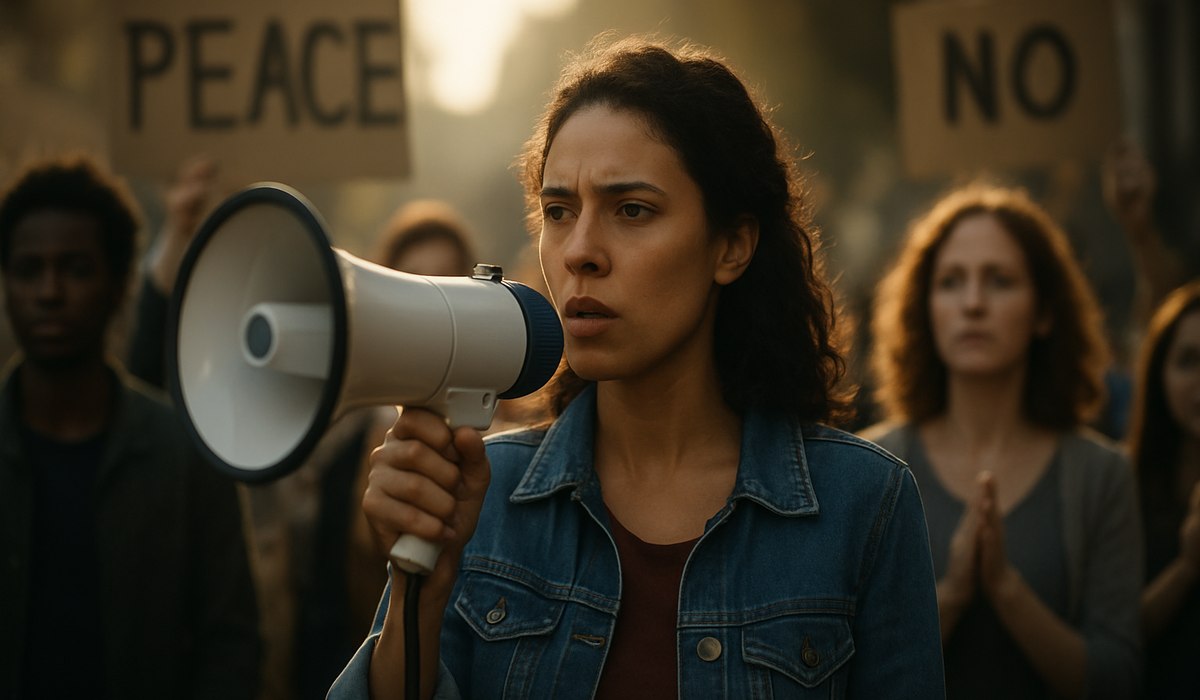
Image generated by AI
Activist Nerdeen Kiswani Refuses to Be Silenced Despite FBI-Foiled Assassination Plot
Nerdeen Kiswani, a prominent Palestinian rights advocate, has declared her unwavering commitment to activism following federal intervention that prevented a serious threat on her life. The FBI successfully disrupted an assassination plot targeting the activist, yet Kiswani remains resolute in advancing Palestinian advocacy initiatives. Speaking out days after the foiled assassination attempt, the activist emphasized her determination to continue her work despite facing unprecedented safety challenges and increased personal threats.
Who Is Nerdeen Kiswani?
Nerdeen Kiswani has emerged as a significant voice in Palestinian solidarity movements across North America. As a grassroots organizer and human rights advocate, she has been instrumental in mobilizing communities around Palestinian liberation causes. Her work spans educational outreach, community organizing, and direct activism aimed at raising awareness about Palestinian humanitarian concerns.
Kiswani's activism extends beyond traditional advocacy channels. She has built networks connecting diverse communities and building coalitions for social justice. Her presence in public discourse and community engagement has made her a recognizable figure in Palestinian rights circles. Her influence continues to grow despite facing persistent opposition and, now, documented security threats. For more context on her advocacy background, the National Council on US-Arab Relations provides resources on contemporary Middle Eastern advocacy movements.
The Assassination Plot and FBI Investigation
Federal authorities detected and successfully neutralized a credible assassination plot targeting activist Nerdeen Kiswani in March 2026. The FBI's intervention prevented what could have been a fatal attack, marking a significant escalation in threats against human rights workers in the United States.
The investigation revealed details about individuals involved in planning the assassination. Law enforcement agencies moved quickly to apprehend suspects and secure the activist. The case underscores growing concerns about violence targeting activists engaged in controversial advocacy work. The plot demonstrates how political polarization can manifest in dangerous, real-world threats against individuals exercising their constitutional rights.
Details released by federal investigators indicate the sophistication of the plot and the seriousness with which authorities took the threat. The FBI's intervention highlighted vulnerabilities in protection for activists engaged in contentious advocacy. This incident joins a troubling pattern of escalating threats against Palestinian rights advocates and human rights defenders. For background on FBI protocols regarding activist security, the Bureau's official civil rights documentation offers relevant information.
Kiswani's Response and Continued Advocacy
Following the foiled assassination attempt, Nerdeen Kiswani publicly declared her intention to accelerate her advocacy efforts rather than retreat. She characterized her increased sense of threat while simultaneously reinforcing her commitment to Palestinian liberation work. This response demonstrates the resilience common among human rights defenders facing persecution.
Kiswani's statement reflects a broader pattern among activists who refuse intimidation tactics. She articulated that silencing through fear contradicts the fundamental principles driving her work. Her continued advocacy signals defiance against those attempting to suppress Palestinian solidarity movements through violence and intimidation. The activist has called for stronger federal protections for human rights workers while maintaining her public presence and activism schedules.
Her organization continues hosting community events, educational forums, and advocacy campaigns despite the security challenges. This persistence illustrates how threats sometimes strengthen rather than weaken activist resolve. Kiswani's approach resonates with international human rights standards emphasizing protection for those exercising fundamental freedoms. Organizations like Human Rights Watch have documented similar patterns where activists intensify their work following attempted suppression.
Safety Concerns for Activists and Human Rights Workers
The assassination plot against activist Nerdeen Kiswani highlights critical safety gaps in protecting human rights defenders operating within the United States. Advocacy work, particularly on controversial geopolitical issues, increasingly exposes organizers to physical danger. The incident raises urgent questions about security protocols, threat assessment, and institutional support for activists.
Human rights organizations worldwide document escalating violence against those advocating for marginalized communities. Female activists engaged in Palestinian solidarity work face compounded risks including gender-based targeting. The lack of comprehensive federal protection programs leaves many advocates vulnerable despite documented threats. Security infrastructure remains fragmented and inconsistent across different activist communities and geographic regions.
This case prompts broader conversations about creating safer spaces for legitimate advocacy. Communities must establish mutual aid networks providing security resources to at-risk organizers. Educational institutions and civil society organizations have roles in supporting threatened activists. The international community increasingly recognizes protection of human rights defenders as essential to democratic societies. Amnesty International's Defend the Defenders campaign provides resources addressing activist safety globally.
Key Facts and Timeline: The Nerdeen Kiswani Assassination Plot
| Event | Date | Details | Impact |
|---|---|---|---|
| FBI Detects Plot | March 2026 | Federal agents identify assassination conspiracy targeting activist | Immediate protective intervention initiated |
| Plot Foiling | March 2026 | FBI successfully disrupts attempt; suspects apprehended | Kiswani's life secured temporarily |
| Kiswani's Public Statement | Post-March 31, 2026 | Activist vows continued advocacy work despite threats | Demonstrates activist resilience |
| Threat Assessment | Ongoing | Federal authorities maintain heightened security protocols | Sustained FBI monitoring and support |
| Advocacy Continuation | 2026 onwards | Palestinian rights work accelerates rather than diminishes | Movement strengthened by persecution |
| Safety Recommendations | 2026 | Activists call for federal protection expansion | Policy discussions initiated |
What This Means for Travelers
The assassination plot against activist Nerdeen Kiswani and subsequent security concerns carry implications for travelers involved in advocacy work or attending political events.
-
Advocacy Event Awareness: Travelers attending Palestinian solidarity events or activism conferences should monitor safety updates and coordinate with local organizers regarding security protocols and risk assessments.
-
Travel Insurance Considerations: Those traveling to participate in political advocacy should verify their insurance covers activity-related incidents and maintain emergency contact information with relevant consulates.
-
Documentation and Communication: Maintain detailed records of your whereabouts, meeting locations, and contact persons. Share itineraries with trusted individuals and establish regular check-in protocols.
-
Community Coordination: Connect with established activist networks and organizations before traveling for advocacy work. These groups maintain security databases and can provide location-specific safety guidance.
-
Legal Resources: Understand local laws and legal protections in destination cities. Carry contact information for immigration attorneys and human rights legal services specializing in activism-related matters.
-
Digital Security: Implement encrypted communication tools, secure messaging applications, and privacy-focused browsing when organizing or participating in advocacy activities while traveling.
Frequently Asked Questions
Q: Who is Nerdeen Kiswani and what is her activism focused on? Nerdeen Kiswani is a Palestinian-American grassroots organizer and human rights advocate. She mobilizes communities through educational outreach and direct activism centered on Palestinian liberation and solidarity. Her work encompasses coalition-building, community organizing, and raising awareness about Palestinian humanitarian concerns across North America.
Q: What happened with the assassination plot in March 2026? The FBI discovered and successfully prevented an assassination plot targeting activist Nerdeen Kiswani in March 2026. Federal agents apprehended individuals involved in the conspiracy, securing the activist's safety. The incident marked a serious escalation in threats against Palestinian rights advocates and human rights defenders.
Q: How did Kiswani respond to the assassination threat? Rather than retreat from activism, Nerdeen Kiswani publicly declared her commitment to intensifying Palestinian advocacy work. She acknowledged increased personal threats while refusing to be silenced by intimidation tactics. Her response exemplifies how many human rights defenders strengthen their resolve following attempted suppression.
Kunal K Choudhary
Co-Founder & Contributor
A passionate traveller and tech enthusiast. Kunal contributes to the vision and growth of Nomad Lawyer, bringing fresh perspectives and driving the community forward.
Learn more about our team →