
Emirates Leads flydubai, Air India, IndiGo, Air India Express, SpiceJet and Salam Air Surge in UAE–India Fare Volatility as Flights Return, Etihad Rail Launches, July Major Changes Roll Out, and Peak Summer Demand Drives Price Swings Across Kerala, Dubai, Abu Dhabi, Sharjah and Oman Routes
UAE-India airfares 2026 show extreme volatility. Emirates, IndiGo, and Air India face peak summer demand and capacity ga

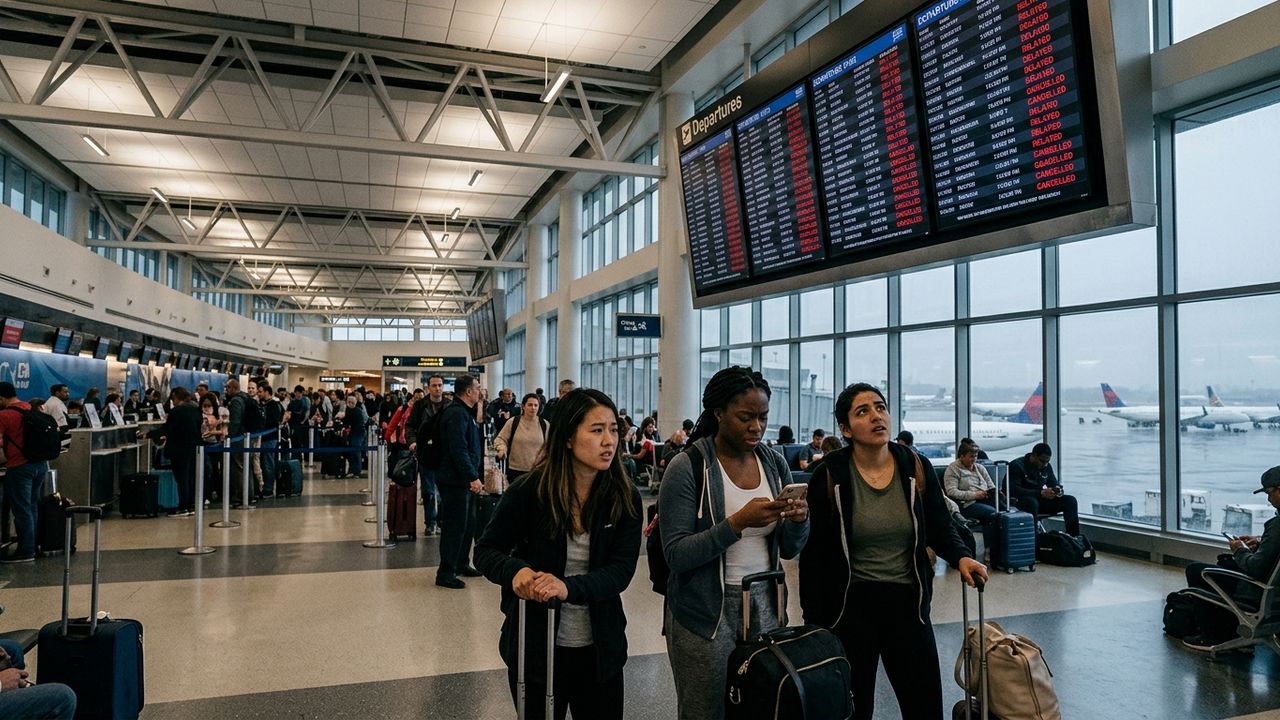
Image generated by AI
[Dubai, June 27, 2026] — Airfare prices between the United Arab Emirates and India are experiencing extreme volatility as a surge in peak summer demand clashes with the gradual restoration of flight capacities. Major carriers, including Emirates, Air India, and IndiGo, are navigating a complex market where sudden price drops are frequently followed by steep spikes, particularly on high-traffic routes connecting the UAE to Kerala and other Indian states.
The 2026 travel season is characterized by an unstable pricing environment. While airlines are adding more scheduled flights to accommodate the summer rush, the sheer volume of passengers—comprising Indian expatriates, tourists, and business travelers—has kept overall costs elevated compared to previous years. This imbalance has created a high-risk environment for last-minute bookers, who face potentially prohibitive costs as seat availability plummets.
Factors Driving Price Instability in the UAE-India Corridor
Industry observers point to three primary catalysts contributing to the current unpredictability of ticket costs. First, the restoration of flight capacity is occurring at a slower pace than the recovery of passenger demand. Airlines that previously faced operational interruptions are only now reintegrating full schedules, leaving a temporary gap in available seating.
Second, the timing of the summer school holidays has created a massive spike in travel volume. This seasonal migration pattern ensures that many flights are nearly fully booked weeks in advance, removing the possibility of lower-cost "filler" fares.
Third, the widespread adoption of reactive pricing algorithms has intensified the volatility. Airlines are utilizing dynamic pricing models that adjust fares in real-time based on the remaining inventory. As seats disappear, prices climb instantly; conversely, the sudden release of a new block of seats can cause a brief, sharp decline in fares, leading to significant price inconsistencies, especially on routes serving Kerala.
Airline-Specific Impacts on Regional Fare Trends
Different carriers are influencing the market based on their current operational scale and network expansion strategies.
Emirates and flydubai As the dominant forces in the UAE aviation landscape, these two carriers maintain a consistent scheduling framework. Their combined presence provides a baseline of stability for the overall system, though they still command premium pricing during peak windows.
Air India and Air India Express The strategic expansion of these carriers into more regional Indian airports and major metros has provided some much-needed relief. The increased capacity offered by the Air India group has been directly linked to minor fare reductions on routes heading toward Kerala.
IndiGo The low-cost carrier has specifically targeted the Kerala market by adding services to Kochi and Calicut. These additions have resulted in a softening of fares for these specific segments, offering a more affordable alternative for budget-conscious travelers.
SpiceJet and Salam Air While SpiceJet operates a more reduced network, it continues to offer competitive pricing on select India-Gulf routes. Meanwhile, Salam Air’s operations in Muscat have provided an indirect benefit to the UAE corridor, as travelers utilize Oman as an alternative routing option to avoid the highest price spikes in Dubai or Abu Dhabi.
Regional Volatility Across Major Hubs
The impact of these pricing swings is not uniform across all destinations. Certain corridors are experiencing much higher levels of instability than others.
The Kerala Zone Routes serving Kochi, Calicut, and Kannur remain the most volatile. This is attributed to the highest concentration of expatriate demand and strong seasonal migration patterns, which often outstrip the available seating options.
Dubai and Abu Dhabi Hubs These cities are seeing widening price differentials. The pressure is driven by a combination of high outbound summer travel and a blend of business and leisure trips, keeping demand consistently high.
Sharjah and Oman Sharjah routes are characterized by frequent fluctuations due to the high density of low-cost carrier operations. In contrast, connections through Muscat via Salam Air are currently acting as a pressure-relief valve, providing modest fare competition for the wider region.
Summary of Recent Fare Movements
| Route Type | Price Trend | Primary Driver |
|---|---|---|
| Kerala – United Arab Emirates | Minor Decline | Increased capacity from IndiGo and Air India Express |
| Dubai – India | High Volatility | Peak demand combined with Emirates pricing pressure |
| Abu Dhabi – India | Stable / High | Critical lack of seat availability across all carriers |
| Sharjah – India | Volatile | Rapid fluctuations among low-cost carriers |
| Oman – India – UAE | Modest Relief | Increased flight supply from Salam Air |
July Sector Changes and the "Travel Shock"
The volatility of airfares has been further exacerbated by several systemic changes within the UAE travel ecosystem occurring in July. The launch of Etihad Rail is transforming intra-emirate travel, potentially altering how passengers reach major airports. Simultaneously, new parking regulations in Sharjah and updated e-invoicing mandates for business travel are shifting passenger behavior and booking patterns.
These factors, combined with the peak of the school holiday season, have created a "travel shock" where seat availability is at an all-time low, further empowering the dynamic pricing algorithms of major airlines.
Strategic Booking Recommendations for Travelers
To mitigate the impact of price swings, aviation experts suggest moving away from spontaneous booking. A proactive approach is recommended:
- Advanced Planning: Booking 2 to 4 weeks in advance is now essential to avoid the highest price brackets.
- Diversified Airport Selection: Travelers are encouraged to compare fares between Sharjah, Dubai, and Abu Dhabi, as price gaps between these hubs can be substantial.
- Mid-Week Scheduling: Avoiding peak weekend departures can result in significant savings.
- Monitoring: Daily price checks and flexibility with travel dates are the most effective ways to capture temporary fare drops.
Why This Matters: The Broader Aviation Perspective
The instability observed in the UAE-India corridor is a microcosm of a larger trend in the global aviation industry. The transition from pandemic-era restrictions to full-scale recovery has been uneven; demand has returned faster than the industry's ability to restore aircraft and crew capacity.
This gap has fundamentally shifted the power dynamic toward the airlines, allowing for the aggressive use of AI-driven dynamic pricing. The prioritization of secondary Gulf hubs and the reliance on algorithmically determined fares suggest that this volatility is not a temporary glitch, but a new operational standard. Until full capacity is restored and the "summer surge" stabilizes, passengers should expect a market where pricing is dictated more by real-time scarcity than by fixed seasonal rates.
Related Travel Guides
Disclaimer
This article is for informational and educational purposes only. It does not constitute legal, financial, or professional advice. While we strive to provide accurate and up-to-date information, travel policies, regulations, and conditions change rapidly. Always verify information with official sources before making travel decisions. Nomad Lawyer makes no representations about the accuracy, reliability, completeness, or suitability of the information provided. Readers should consult qualified professionals for advice specific to their circumstances. The views expressed in this article are those of the author and do not necessarily reflect the views of Nomad Lawyer.
Preeti Gunjan
Contributor & Community Manager
A passionate traveller and community builder. Preeti helps grow the Nomad Lawyer community, fostering engagement and bringing the reader experience to life.
Learn more about our team →