
Emirates, Etihad, Qatar Airways Resume Middle East Flights as Fragile Ceasefire Stabilizes Global Aviation Corridor
Major Middle Eastern carriers restart operations following regional ceasefire. Emirates, Etihad, Qatar Airways gradually restore connectivity across 120+ destinations amid ongoing airspace restrictions and capacity constraints.

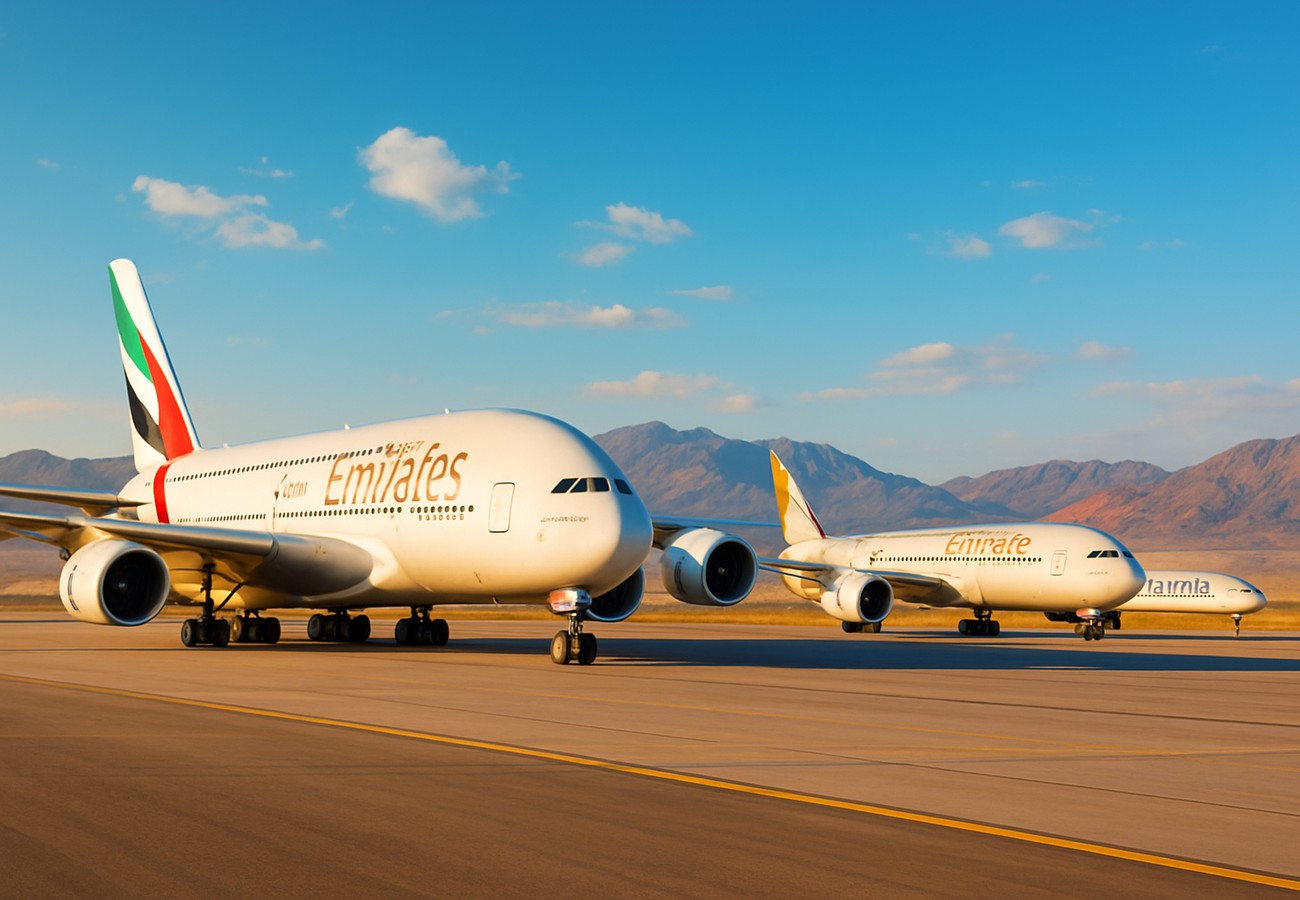
Image generated by AI
A cautious return to normalcy is unfolding across the Middle Eastern aviation corridor as Emirates, Etihad Airways, and Qatar Airways progressively restore flight operations following a fragile ceasefire agreement. The gradual resumption of services marks a critical turning point for global aviation, though persistent uncertainty continues to shadow the recovery as airlines navigate ongoing geopolitical volatility and airspace restrictions.
The region's three dominant carriers are methodically rebuilding their networks after weeks of severe disruption triggered by regional conflict. Etihad Airways is currently operating flights to approximately 80 global destinations, while Qatar Airways is incrementally increasing flight frequencies with plans to reconnect more than 120 destinations by mid-May. This phased approach reflects both operational caution and lingering safety assessments, as carriers remain vigilant about airspace conditions and potential escalation risks.
The recovery trajectory reveals the interconnected nature of modern global aviation. The Middle East functions as a critical transit hub linking Europe, Asia, and Africa—a role that cannot be quickly restored. At the peak of the conflict, thousands of flights were cancelled and major hubs including Dubai, Doha, and Abu Dhabi experienced complete shutdowns, cascading disruptions across international networks and forcing carriers worldwide to implement costly rerouting strategies. According to IATA data on aviation disruptions, such regional crises generate exponential impacts on global connectivity and airline operational costs.
However, the ceasefire remains fragile, and airlines are maintaining contingency protocols that continue to constrain passenger experience. Airspace restrictions persist across portions of the region, with many routes operating at significantly reduced capacity. Flight schedules remain unpredictable as carriers adjust itineraries based on real-time geopolitical assessments, resulting in longer travel times and limited seat availability. This operational uncertainty directly translates to higher airline fees and reduced pricing competition, as carriers operate with constrained capacity and elevated risk premiums.
The broader implications for global travel patterns are substantial. Travellers planning journeys involving the Middle East face a complex landscape: while flights are available again, reliability remains compromised. Passengers should expect potential last-minute schedule changes, elevated fares reflecting airline losses and operational constraints, and longer connection times due to rerouting protocols. The situation underscores how fuel prices impact airlines differently during geopolitical crises—carriers operating through restricted airspace incur additional fuel surcharges and operational overhead that ultimately reach consumers through elevated ticket prices.
What This Means for Travelers
International passengers—particularly those transiting through Gulf hubs or connecting between Asia and Europe—must adopt heightened flexibility protocols. Booking refundable or flexible tickets is essential, as schedule volatility remains high. Monitoring airline updates through official carrier websites and FlightAware real-time tracking provides critical situational awareness. Allowing extended connection windows and considering alternative routing options can mitigate disruption risks. Travel advisories from official sources continue to caution against non-essential travel to certain Middle Eastern regions, making pre-departure verification mandatory.
The aviation industry's recovery demonstrates that geopolitical stability directly determines global air travel accessibility—a single regional conflict in a major transit corridor can disrupt passenger flows across multiple continents.
The fragile ceasefire has created a narrow window for recovery, but the underlying volatility suggests that 2026 will remain characterized by aviation uncertainty. While the resumption of Emirates, Etihad, and Qatar Airways operations signals cautious optimism, the constrained capacity, ongoing airspace restrictions, and elevated airline fees reflect an industry still in transition rather than full recovery. Travellers and industry stakeholders should anticipate continued disruption risks and maintain contingency planning as geopolitical developments continue to shape global aviation patterns throughout the year.
Related Travel Guides
Disclaimer
This article is for informational and educational purposes only. It does not constitute legal, financial, or professional advice. While we strive to provide accurate and up-to-date information, travel policies, regulations, and conditions change rapidly. Always verify information with official sources before making travel decisions. Nomad Lawyer makes no representations about the accuracy, reliability, completeness, or suitability of the information provided. Readers should consult qualified professionals for advice specific to their circumstances. The views expressed in this article are those of the author and do not necessarily reflect the views of Nomad Lawyer.
Kunal K Choudhary
Co-Founder & Contributor
A passionate traveller and tech enthusiast. Kunal contributes to the vision and growth of Nomad Lawyer, bringing fresh perspectives and driving the community forward.
Learn more about our team →