
Emirates Promotes Two Emirati Women to Captain: Hanan Jawad and Bakhita Al Mheiri Break Aviation Glass Ceiling in 2026
Emirates elevates two Emirati women pilots to captain rank, marking a watershed moment for gender diversity in global aviation and UAE workforce leadership in commercial flight operations.

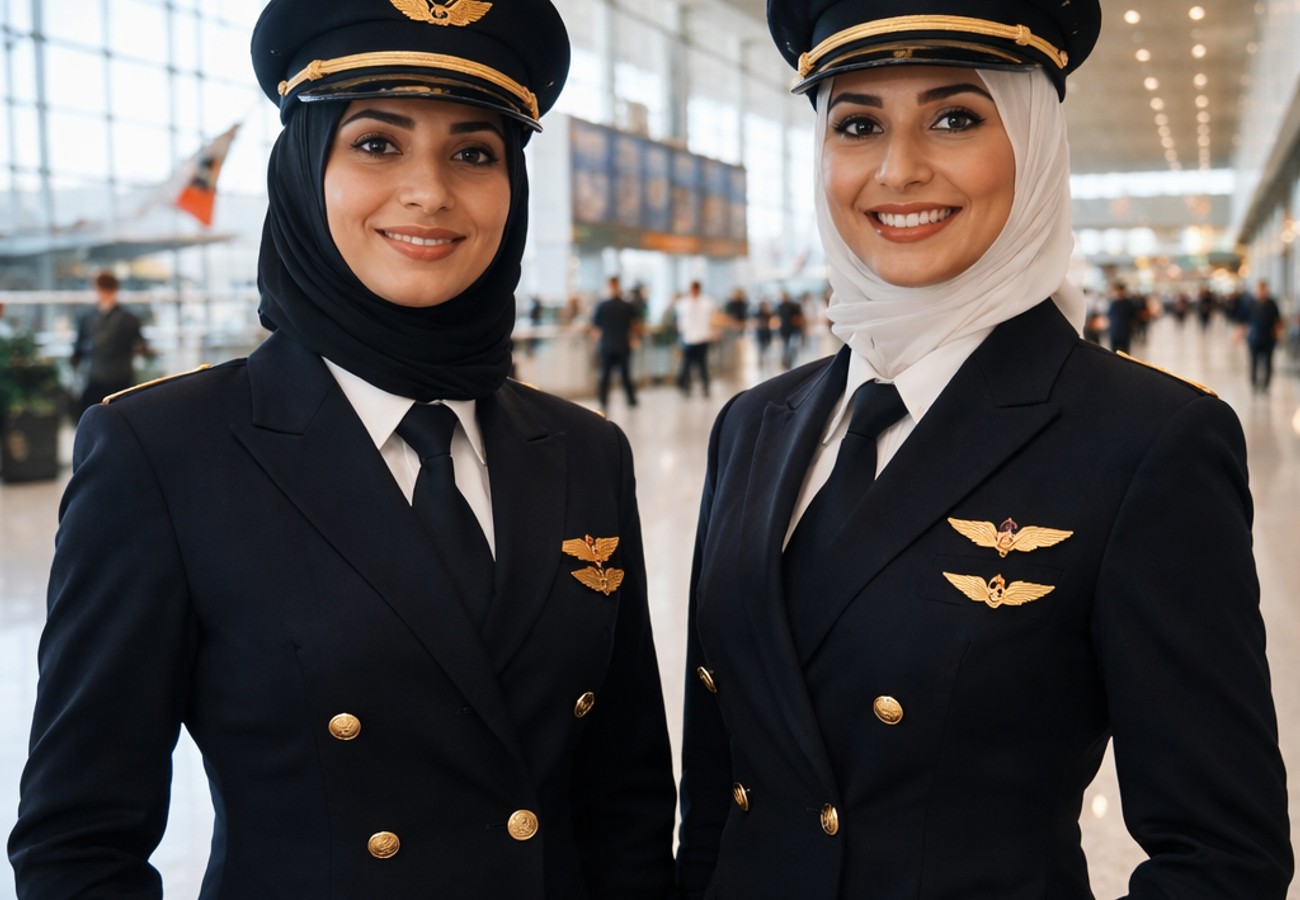
Image generated by AI
A Historic Moment for Emirates and Global Aviation
Emirates just made headlines by promoting two Emirati women—Hanan Mohammed Jawad and Bakhita Al Mheiri—to the rank of captain. This isn't just an airline promotion; it's a seismic shift in an industry where female leadership at the flight deck has historically been rare. Both captains now command Boeing 777 aircraft, marking a turning point for aviation diversity in the Middle East and beyond.
The significance runs deeper than ceremony. These promotions represent years of structured mentorship, rigorous training, and unwavering commitment within Emirates' National Cadet Pilot Program, a pipeline designed specifically to nurture Emirati talent for senior operational roles.
Reddit: "Seeing women captains in the cockpit is still not the norm globally. This is the kind of news that changes how young girls see their future in aviation." — r/aviation
From Cadet to Captain: Hanan Mohammed Jawad's 18-Year Ascent
Hanan's aviation story began in 2008 when she entered the cadet program at Emirates. What followed was an 18-year methodical climb through every operational rank, building expertise through structured progression and institutional support.
With over 9,000 flight hours logged, Hanan now stands among the airline's most experienced pilots. Her trajectory illustrates something critical: when organizations invest in clear career pathways and mentorship frameworks, talent doesn't just survive—it thrives. She credits personal development and resilience-building activities for complementing her technical proficiency in an intensely demanding role.
For Hanan, achieving captain wasn't an endpoint. It's an invitation to shape the next generation of Emirati pilots through mentorship and leadership influence.
Bakhita Al Mheiri: Breaking Barriers Through Continuous Excellence
Bakhita charted a similar but distinct path. Joining the cadet program in 2011, she was inspired by earlier Emirati women pilots who'd already shattered stereotypes. Her progression was anchored in continuous skill expansion, guided by experienced captains and training leaders within the airline.
Bakhita emphasizes three core principles that define her leadership philosophy: responsibility, discipline, and relentless knowledge-seeking. These aren't soft skills—they're the operational backbone of commercial aviation safety and excellence.
Now as a newly appointed captain, Bakhita is already thinking about extending the same mentorship to incoming Emirati women pilots. She recognizes that representation matters, and that her voice in the cockpit opens doors for others who might never have considered aviation as a viable career path.
The National Cadet Pilot Program: Building Tomorrow's Leaders Today
What makes these promotions particularly significant is the National Cadet Pilot Program that enabled them. This isn't a checkbox diversity initiative—it's a rigorously designed talent pipeline that identifies ambitious Emiratis, provides intensive training, and creates structured advancement pathways based purely on merit and performance.
The program addresses a critical global problem: pilot shortages. As airlines expand networks across Europe, Asia, and Africa, the demand for skilled, experienced captains has never been higher. Research from the International Air Transport Association projects significant pilot supply gaps over the next decade. By investing in homegrown talent, Emirates simultaneously solves workforce challenges while advancing national employment diversification.
Why This Matters for the Global Aviation Industry
The aviation sector globally faces evolving demands for skilled operational leaders, particularly as sustainability pressures and emerging technologies reshape how airlines operate. Female pilots remain vastly underrepresented—women comprise roughly 5% of commercial pilots worldwide, according to industry data.
Emirates' approach does something smart: it doesn't just train pilots for current operational demands. The airline positions these leaders for future opportunities as the company evolves, technologies advance, and the industry adapts to sustainable aviation imperatives. This forward-looking investment creates a resilient workforce capable of steering the airline's global network with both skill and integrity.
Role Models Who Amplify Possibility
What Hanan and Bakhita represent extends far beyond Emirates' flight operations. They're living proof that traditional barriers—in an industry historically dominated by men—can be broken down through structured support, mentorship, and individual determination.
Their achievements offer powerful role models for young women across the UAE and the broader Middle East region. When a teenager in Dubai or Abu Dhabi sees a captain like Hanan or Bakhita commanding a Boeing 777 across international airspace, something shifts in what feels possible.
Both captains share a unified message to aspiring aviators: dedication paired with institutional support creates tangible pathways to leadership. That's not inspiration—that's instruction.
Capt Hassan Alhammadi's Institutional Vision
Capt Hassan Alhammadi, Divisional Senior Vice President of Flight Operations at Emirates, underscored the airline's commitment during a statement about these promotions. He emphasized that the National Cadet Pilot Programme remains integral to securing future pilot resources while nurturing a generation of leaders capable of steering the airline's global network.
This isn't rhetorical. It's a statement of strategic priority—a clear signal that leadership development and national talent cultivation are core to the airline's competitive positioning.
The Ripple Effect Across the Aviation Sector
These two promotions land at a moment when the global aviation industry is actively seeking innovative strategies to attract and retain talent amid projected shortages and expanding networks. What Emirates is doing—creating accessible career pathways, institutionalizing mentorship, emphasizing diversity—is increasingly recognized as essential to sustainable growth.
Other carriers are watching. Major airlines worldwide are now intensifying their own diversity initiatives, recognizing that inclusive hiring and advancement practices attract talent, improve organizational culture, and ultimately enhance safety and service quality.
By championing these career paths, Emirates contributes to a broader industry movement that expands opportunities for women, supports national talent pipelines, and adapts to future workforce needs. The airline aligns organizational growth with national priorities on employment diversification and women's empowerment.
What This Means for the UAE's Aviation Future
Looking ahead, the increased presence of Emirati women in senior command roles strengthens the UAE's aviation leadership both domestically and on the global stage. As Hanan and Bakhita take command of international flights connecting the Middle East to Europe, Asia, and beyond, they personify a new generation of top-flight professionals dedicated to inclusive leadership.
These promotions will continue fueling essential conversations about fostering diverse, high-performing workplaces in aviation. By pouring resources into workforce development and creating environments where varied voices succeed, Emirates and its new generation of leaders are shaping aviation's future—one captain at a time.
The cockpit just got stronger.
Representation in leadership isn't a diversity checkbox—it's the blueprint for an industry built to adapt, grow, and excel.
Related Travel Guides
Disclaimer
This article is for informational and educational purposes only. It does not constitute legal, financial, or professional advice. While we strive to provide accurate and up-to-date information, travel policies, regulations, and conditions change rapidly. Always verify information with official sources before making travel decisions. Nomad Lawyer makes no representations about the accuracy, reliability, completeness, or suitability of the information provided. Readers should consult qualified professionals for advice specific to their circumstances. The views expressed in this article are those of the author and do not necessarily reflect the views of Nomad Lawyer.
Kunal K Choudhary
Co-Founder & Contributor
A passionate traveller and tech enthusiast. Kunal contributes to the vision and growth of Nomad Lawyer, bringing fresh perspectives and driving the community forward.
Learn more about our team →