
Emirates Reaches 98% Global Network Capacity in Summer 2026 Driven by Peak Dubai Aviation Recovery

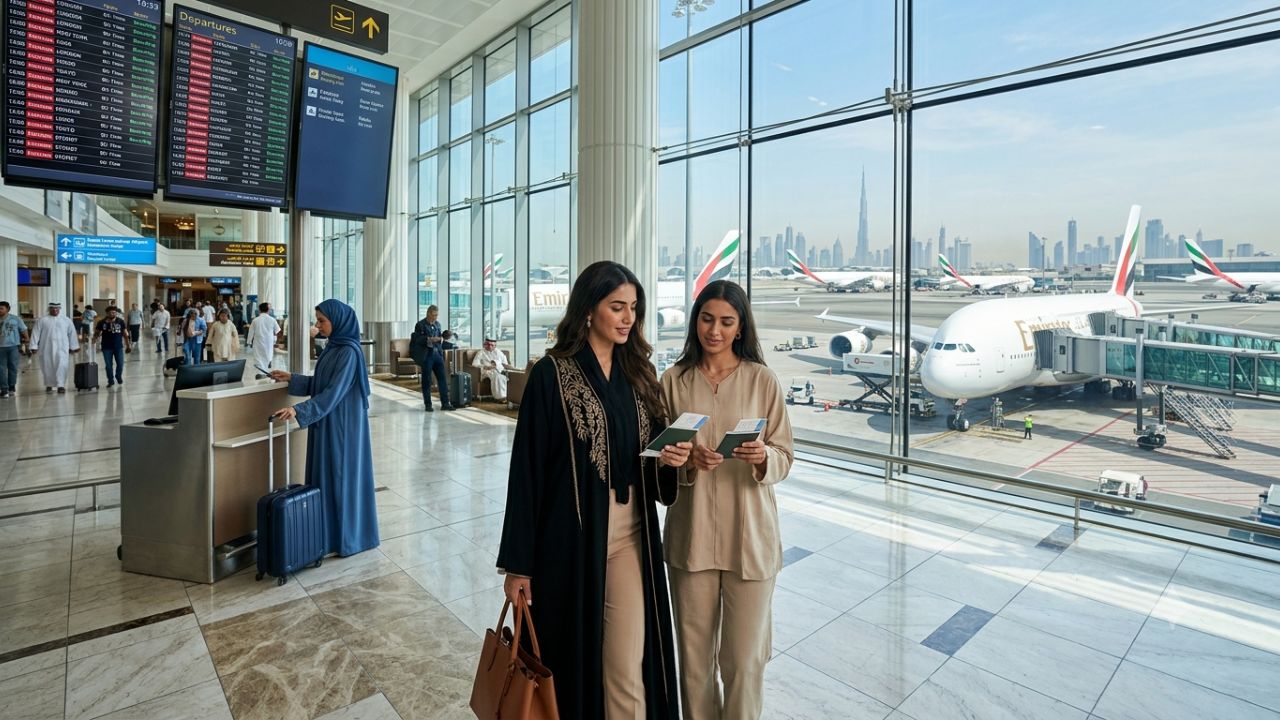
Emirates has restored 98% of its pre-disruption operational network capacity during the peak July and August summer travel period, demonstrating a rapid recovery across Dubai International Airport (DXB). Rebounding from temporary regional flight adjustments earlier in March and April 2026, the Dubai-based carrier deployed nearly its full fleet of widebody aircraft to meet high international passenger demand across long-haul routes connecting Europe, Asia-Pacific, Africa, and the Americas.
[DUBAI, United Arab Emirates] — Official aviation metrics confirm that Emirates has reached 98% of its total operational capacity during the 2026 summer travel season, driven by strong passenger volumes throughout July and August.
The achievement highlights the operational resilience of Dubai’s aviation sector following brief regional transport disruptions in early 2026. By maximizing aircraft utilization across its flagship fleet, Emirates re-established flight frequencies and international transit connections through DXB, reinforcing Dubai’s position as a primary global aviation hub.
+-----------------------------------------------------------------------------------+
|                  EMIRATES AIRLINE SUMMER CAPACITY RECOVERY SNAPSHOT               |
+------------------------------------+----------------------------------------------+
| Operating Carrier                  | Emirates (Dubai Flag Carrier)                |
| Primary Aviation Hub               | Dubai International Airport (DXB)            |
| Peak Performance Period            | July & August 2026 Summer Season             |
| Network Capacity Restored          | 98% of Total Operational Capacity            |
| Initial Disruption Period          | March & April 2026                           |
| Initial Recovery Window            | Major capacity restored within first 30 days |
| Key Aircraft Deployed              | Widebody Fleet (Airbus A380 & Boeing 777)    |
| Primary Connecting Regions         | Europe, Asia, Africa, North & South America  |
+------------------------------------+----------------------------------------------+
Summer Operational Performance: July and August Capacity Surge
During the July and August peak travel window, Emirates deployed almost its entire active fleet to satisfy strong demand for summer vacations, family visits, and international business transit.
Key Performance Drivers:
- 98% Network Restoration: The airline reactivated flight schedules across nearly all pre-existing global destinations, restoring high-frequency long-haul routes.
- High Fleet Utilization: Widebody long-haul aircraft—including double-decker Airbus A380s and Boeing 777-300ERs—operated at high seat-load factors across transatlantic, European, and Asian routes.
- Dubai Hub Infrastructure: High-speed baggage handling, rapid transit turnarounds, and expanded airport processing at DXB enabled the carrier to manage heavy passenger flows efficiently.
+-----------------------------------------------------------------------------------+
|                    EMIRATES 2026 RECOVERY TIMELINE                                |
+-----------------------------------------------------------------------------------+
|  March - April 2026  --->  Regional Instability & Route Adjustments              |
|                                       |                                           |
|  May - June 2026     --->  Rapid Network Rebuilding & Fleet Reactivation          |
|                                       |                                           |
|  July - August 2026  --->  98% Operational Capacity Achieved Across DXB Hub       |
+-----------------------------------------------------------------------------------+
| Timeline Phase | Operational Status | Fleet Deployment | Passenger Metric |
|---|---|---|---|
| March–April 2026 | Temporary regional adjustments | Partial fleet reassignment | Millions of passengers carried despite disruptions |
| May–June 2026 | Progressive route restoration | Reactivation of widebody aircraft | Steady month-over-month passenger growth |
| July–August 2026 | 98% Network Capacity | Full fleet deployment (A380 & 777) | Peak summer travel volumes across global routes |
Rebounding from March and April Regional Disruption
The summer capacity milestone follows an intensive operational recovery program initiated after regional instability disrupted Middle Eastern air corridors in March and April 2026.
Recovery Execution Strategy:
- First-Month Capacity Bounce: Within 30 days of initial schedule adjustments, Emirates restored a significant portion of its network capacity, maintaining essential connections to major global hubs.
- Passenger Volume Continuity: Despite routing adjustments, the airline carried millions of passengers throughout March and April, minimizing cancellation impacts through flexible rebooking protocols.
- Summer Preparedness: Strategic maintenance schedules and crew allocations positioned the carrier to scale operations rapidly ahead of the July demand surge.
+-----------------------------------------------------------------------------------+
|                       NETWORK RECOVERY EFFICIENCY METRICS                         |
+--------------------------+------------------------------+-------------------------+
| Recovery Parameter       | Operational Output           | Strategic Result        |
+--------------------------+------------------------------+-------------------------+
| 30-Day Recovery Level    | Major capacity restored      | Re-established core hubs|
| Peak Summer Deployment   | 98% Network Capacity         | Met July/Aug demand     |
| Fleet Status             | Near 100% Widebody Active    | High seat-load factors  |
+--------------------------+------------------------------+-------------------------+
Dubai’s Integrated Tourism and Aviation Ecosystem
The rapid restoration of Emirates' flight schedules directly aligns with Dubai’s broader economic strategy to maintain year-round tourism and commercial connectivity.
Ecosystem Synergies:
- Hospitality Sector Support: The influx of summer transit and point-to-point passengers supported hotel occupancy rates across Dubai’s luxury, business, and resort properties.
- Global Transit Connectivity: Dubai’s geographic location allows Emirates to connect long-haul travelers between Europe and Australasia, Africa and Asia, and North America and the Indian Subcontinent with a single layover.
- Business and Event Travel: High flight availability supported international conventions, corporate summits, and trade expos hosted in Dubai during the third quarter.
+-----------------------------------------------------------------------------------+
|                     DUBAI AVIATION-TOURISM FLYWHEEL                               |
+------------------------------------+----------------------------------------------+
| Hub Advantage                      | Economic Outcome                             |
+------------------------------------+----------------------------------------------+
| 98% Flight Capacity at DXB         | High passenger volumes for hotel & retail    |
| 24/7 Rapid Transit Infrastructure  | Minimizes layover friction for long-haul     |
| Geographic Midpoint Location       | Efficient single-stop global connections     |
+------------------------------------+----------------------------------------------+
| Route Region | Primary Gateway Connections | Summer Demand Driver | Strategic Impact |
|---|---|---|---|
| Europe | London (LHR), Paris (CDG), Frankfurt (FRA) | Summer leisure & outward vacations | High A380 double-daily frequency |
| Asia-Pacific | Singapore (SIN), Sydney (SYD), Tokyo (NRT) | Long-haul family travel & business | Key transit feeder for European routes |
| Americas | New York (JFK), Chicago (ORD), São Paulo (GRU) | Transatlantic VFR & commercial trade | High-yield premium cabin demand |
| Africa | Cairo (CAI), Johannesburg (JNB), Nairobi (NBO) | Regional trade & connecting traffic | Expanding point-to-point network |
Why This Matters (Information Gain & Experience)
Emirates’ return to 98% network capacity demonstrates how major hub carriers can recover from regional transport disruptions through fleet flexibility and efficient airport infrastructure. For international travelers, the restoration of full flight schedules at DXB restores seat availability, stabilizes connection options, and supports competitive pricing across long-haul flight corridors.
For the aviation industry, Dubai's rapid recovery model underscores the importance of maintaining high fleet readiness and strong coordination between hub airlines, airport authorities, and municipal tourism boards.
Frequently Asked Questions
What network capacity did Emirates achieve in Summer 2026?
Emirates reached 98% of its pre-disruption operational network capacity during the peak summer months of July and August 2026.
How did Emirates recover from operational disruptions earlier in 2026?
Following regional air corridor disruptions in March and April 2026, Emirates restored a major portion of its network within the first month, steadily rebuilding capacity to reach near-full operational deployment by July.
Which aircraft types did Emirates deploy during the summer surge?
Emirates deployed its flagship widebody fleet, consisting primarily of double-decker Airbus A380s and Boeing 777-300ERs, to handle high passenger volumes.
Why is Dubai International Airport (DXB) central to Emirates' recovery?
Dubai International Airport provides 24/7 rapid transit infrastructure, high-efficiency baggage handling, and a strategic geographic location connecting Europe, Asia, Africa, and the Americas.
How does Emirates' recovery impact Dubai's tourism sector?
Restoring 98% flight capacity ensures a steady stream of international leisure, business, and transit visitors, driving occupancy for local hotels, retail, and entertainment sectors.
Related Travel Guides
Disclaimer
This article is for informational and educational purposes only. It does not constitute legal, financial, or professional advice. While we strive to provide accurate and up-to-date information, travel policies, regulations, and conditions change rapidly. Always verify information with official sources before making travel decisions. Nomad Lawyer makes no representations about the accuracy, reliability, completeness, or suitability of the information provided. Readers should consult qualified professionals for advice specific to their circumstances. The views expressed in this article are those of the author and do not necessarily reflect the views of Nomad Lawyer.
Kunal K Choudhary
Co-Founder & Contributor
A passionate traveller and tech enthusiast. Kunal contributes to the vision and growth of Nomad Lawyer, bringing fresh perspectives and driving the community forward.
Learn more about our team →