
Emirates Restores 98% of Network Capacity Amid Dubai Aviation Surge
Emirates reports 98% network capacity recovery following strong summer demand in Dubai. Analysis of operational stability and passenger implications.

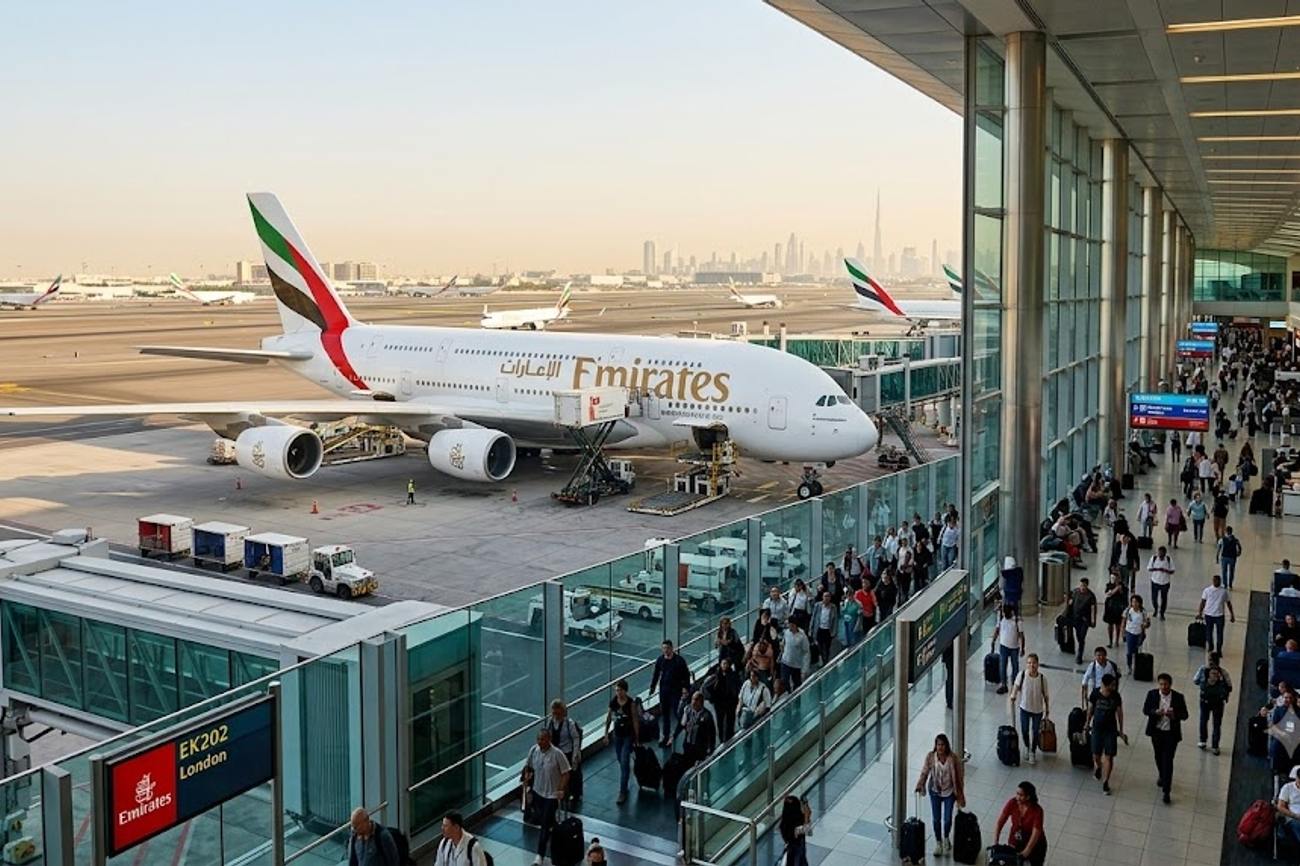
Image generated by AI
Emirates has reported a near-total recovery of its flight network, reaching 98% operative capacity during the peak summer months of July and August. This operational milestone follows a period of regional instability earlier in the year that necessitated a phased rebuilding of its global connectivity.
Flight tracking data and operational reports indicate that the airline successfully deployed almost all available aircraft to meet persistent demand. This recovery was accelerated by Dubai's aviation infrastructure, allowing the carrier to restore key international routes and increase aircraft utilization.
Flight & Airport Impact Breakdown
- Network Capacity: 98% of original operative capacity restored.
- Peak Period: Maximum deployment recorded during July and August.
- Recovery Timeline: Significant capacity regained within the first month of disruption, with continued stabilization through March and April.
- Hub Impact: Dubai International (DXB) maintained its role as a primary transit point for passengers moving between Europe, Asia, Africa, and the Americas.
Passenger Rights & Advisory For the affected passenger, the return to 98% capacity means increased flight availability and a reduction in the likelihood of "overbooking" disruptions often seen during recovery phases. However, the transition from disrupted to full-capacity operations can still result in scheduling volatility.
Our analysis of aviation policy suggests the following for passengers traveling via Dubai:
- Rebooking Rights: If a flight is canceled during this recovery phase, passengers are entitled to re-routing to their final destination at the earliest opportunity or a full refund.
- Duty of Care: For significant delays at Dubai hubs, airlines must provide meals, refreshments, and hotel accommodation if an overnight stay is required.
- Compensation: While regional instability is often classified as an "extraordinary circumstance" (exempting airlines from cash compensation under frameworks like EU261/2004 for departing EU flights), operational failures during the 98% capacity phase may be compensable.
Industry Analyst View The rapid return to 98% capacity demonstrates the resilience of the "hub-and-spoke" model utilized by Dubai. By integrating aviation recovery with a broader tourism ecosystem—including luxury hospitality and business events—Dubai has mitigated the impact of regional volatility. The ability to scale operations quickly suggests that the infrastructure is now optimized for a new growth phase rather than mere recovery.
Related Travel Guides
Disclaimer
This article is for informational and educational purposes only. It does not constitute legal, financial, or professional advice. While we strive to provide accurate and up-to-date information, travel policies, regulations, and conditions change rapidly. Always verify information with official sources before making travel decisions. Nomad Lawyer makes no representations about the accuracy, reliability, completeness, or suitability of the information provided. Readers should consult qualified professionals for advice specific to their circumstances. The views expressed in this article are those of the author and do not necessarily reflect the views of Nomad Lawyer.
Raushan Kumar
Founder & Lead Developer
Full-stack developer with 11+ years of experience and a passionate traveller. Raushan built Nomad Lawyer from the ground up with a vision to create the best travel and law experience on the web.
Learn more about our team →