
Emirates Expands Autism-Friendly Travel Rehearsals to Clark Airport
Emirates extends its autism-friendly travel programme to Clark International Airport (CRK), offering simulated airport travel rehearsals.

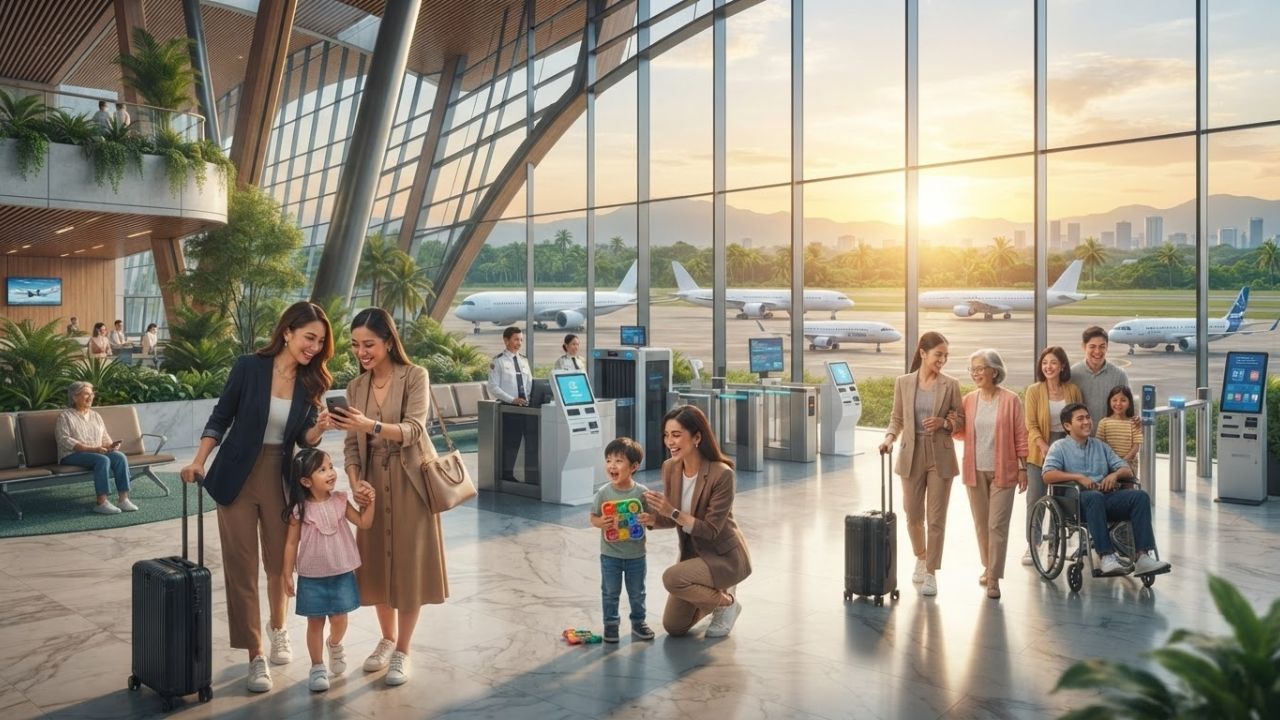
Image generated by AI
Aviation accessibility is shifting toward cognitive passenger support, with the recent expansion of the Emirates autism-friendly travel programme to Clark Airport offering simulated travel rehearsals for neurodiverse families.
[Clark, July 30, 2026] — A major transition in accessible aviation is taking place as carriers prioritize neurodiverse passenger comfort in terminal operations. Emirates has expanded its specialized cognitive support program to Clark International Airport (CRK) in the Philippines. The initiative introduces structured "Travel Rehearsals," allowing autistic children and their families to practice the complete terminal journey before their scheduled flight dates.
This program expansion builds on Emirates' existing accessibility framework, following its certification as the world's first Autism Certified Airline. By providing mock terminal walkthroughs, the program helps families replace unfamiliar transit environments with structured routines to reduce travel anxiety.
The Travel Rehearsal Simulation Process
The Travel Rehearsal program allows participants to experience the primary milestones of air travel in a quiet and controlled environment. Led by trained airline and airport ground staff, the simulation guides families through the following steps:
- Terminal Familiarization: Helping children adapt to terminal lighting, flight information screens, and airport acoustics.
- Mock Check-In: Simulating the exchange of travel documents, baggage tagging, and receiving a mock boarding pass.
- Security Screening: Walking through walk-through metal detectors and bag scanners to demystify security protocols.
- Gate Area Navigation: Practicing waiting in boarding lounges and navigating the jet bridge.
- Aircraft Boarding: Experiencing the interior cabin environment, seat belt fastening, and cabin announcements in a stationary setting.
Overcoming Sensory Challenges in Modern Terminals
For neurodiverse passengers, the sensory input of a standard airport terminal—characterized by echoey public announcements, crowded boarding lines, and strict security procedures—can trigger anxiety. The Travel Rehearsal program addresses these challenges by allowing children to adapt to these environments at their own pace.
Trained ground staff assist families throughout the simulation, explaining procedures in simple terms and providing sensory guides. This structured preparation helps turn an unpredictable travel day into a familiar routine.
Clark Airport as an Inclusive Transit Gateway
Clark International Airport has updated its terminal facilities to support accessible tourism. The addition of the Emirates travel rehearsal program makes CRK a key accessibility hub in Southeast Asia, helping regional travelers prepare for international flights.
The program works alongside existing airport accessibility services, including dedicated passenger assistance lines, hidden disabilities sunflower lanyards, and quiet spaces within departure lounges.
The tables below outline the travel rehearsal features and passenger checklists:
Emirates Autism-Friendly Travel Rehearsal Program Specifications (2026)
| Program Parameter | Service Detail | Operational Objective | Primary Support Resource |
|---|---|---|---|
| Program Name | Travel Rehearsal | Pre-travel terminal simulation | Trained Emirates & CRK ground staff |
| Location | Clark International Airport (CRK) | Serves Central Luzon and regional hubs | Accessible terminal facilities |
| Airline Status | Autism Certified Airline | Standardized cognitive support training | International Board of Credentialing |
| Target Participants | Neurodiverse children & families | Reduces flight day anxiety | Mock boarding passes & sensory guides |
Passenger Airport Navigation and Accessibility Checklist
| Airport Stage | Rehearsal Practice Detail | Real-World Travel Recommendation | Special Service Code (SSR) |
|---|---|---|---|
| Check-In | Counter positioning & bag tagging | Request DPNA code during booking | DPNA (Intellectual Disability) |
| Security | Metal detector & scanner walkthrough | Carry a sensory bag with quiet toys | MEDA (Medical assistance if needed) |
| Boarding Gate | Boarding lane lining & jet bridge walk | Request pre-boarding via gate agent | DPNA / Priority Boarding |
| Onboard Cabin | Cabin seat seating & buckle practice | Introduce cabin crew to passenger needs | Flight crew briefing |
Traveler Logistics Guide
From a ground-level perspective, the best way to navigate this is to register for the Travel Rehearsal program at least three to four weeks before the scheduled departure date. This advance warning allows Emirates and the Clark Airport ground team to coordinate the walk-through during low-traffic terminal hours.
Booking Connections and Requesting Assistance
When booking flights, passengers should ensure that the DPNA (Disabled Passenger needing Assistance) special service request code is attached to the reservation. This code alerts check-in agents, gate staff, and cabin crews to provide additional assistance.
- Optimal Layover Times: For neurodiverse travelers connecting through international hubs, a minimum layover of three hours is recommended. This allows families to navigate terminals without rushing and utilize quiet rooms between flights.
- Navigating Customs: At Clark Airport, families holding DPNA status or utilizing the hidden disabilities lanyard can access fast-track immigration and customs lanes to minimize queue wait times.
Infrastructure Impact Assessment
The introduction of simulated travel programs improves the regional connectivity of Clark International Airport, attracting families who previously avoided air travel due to sensory challenges. By building a supportive travel environment, the airport is expanding its passenger base and promoting inclusive tourism in the Philippines.
Our analysis of the route map suggests that secondary gateways will increasingly adopt accessible transit programs to compete with larger hubs. By offering structured preparation and sensory-friendly facilities, airports like CRK can capture high-value family travel segments while reducing flight delays associated with passenger boarding issues.
Related: LOT Polish Airlines Upgrades Long-Haul Business Class Cabin Services
Related: Thai AirAsia Shifts Nine Bangkok Domestic Flights to Don Mueang
Related: Washington Dulles Joins America's Major Airport Transformation Race
Disclaimer
This article is for informational and educational purposes only. It does not constitute legal, financial, or professional advice. While we strive to provide accurate and up-to-date information, travel policies, regulations, and conditions change rapidly. Always verify information with official sources before making travel decisions. Nomad Lawyer makes no representations about the accuracy, reliability, completeness, or suitability of the information provided. Readers should consult qualified professionals for advice specific to their circumstances. The views expressed in this article are those of the author and do not necessarily reflect the views of Nomad Lawyer.
Raushan Kumar
Founder & Lead Developer
Full-stack developer with 11+ years of experience and a passionate traveller. Raushan built Nomad Lawyer from the ground up with a vision to create the best travel and law experience on the web.
Learn more about our team →