
Elon Musk Pushes Back Starship v3 Debut to May 2026, Delays Mars Plans 5-7 Years
SpaceX's Elon Musk pushes back Starship v3 launch to May 2026 and extends Mars ambitions by 5-7 years, signaling another delay in the company's interplanetary roadmap for 2026.

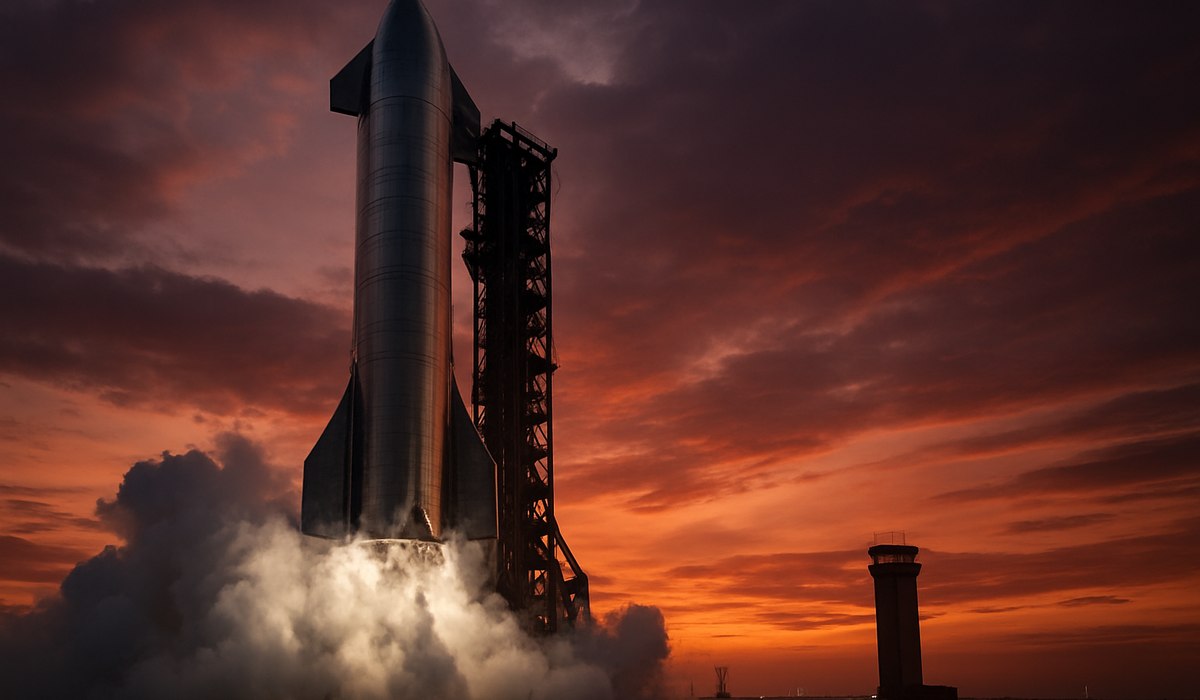
Image generated by AI
SpaceX's Starship v3 Slips Further as Musk Revises 2026 Timeline
Elon Musk has once again delayed Starship's ambitious 2026 debut, pushing the v3 configuration launch window to May 2026 instead of earlier projections. More significantly, Musk announced that broader Mars ambitions are being postponed by 5 to 7 years, marking another departure from his repeatedly optimistic timelines. This latest shift represents a fundamental recalibration of SpaceX's long-range strategy, moving focus away from rapid interplanetary operations toward incremental lunar and orbital capabilities development.
Musk's Shifting 2026 Timeline for Starship
For several years, Elon Musk pushes forward ambitious goals tied to 2026, portraying that year as a breakthrough moment for deep-space exploration. Early 2026 statements from SpaceX leadership indicated Starship v3 could debut within months, potentially enabling uncrewed Mars cargo missions or advanced demonstration flights. However, recent public remarks reveal a different picture entirely.
The Starship v3 configuration now targets a four-to-six-week launch window centered on early-to-mid May 2026. This represents a measurable delay from previous schedule suggestions, though the vehicle remains nominally on 2026's calendar. Beyond that single milestone, Musk's broader Mars colonization vision—once anchored to mid-2020s timelines—faces a substantial 5-to-7-year postponement. This recalibration fundamentally alters how industry observers and potential space tourists view SpaceX's near-term capabilities.
According to reporting from specialist space publications, this timeline shift reflects accumulated testing challenges, regulatory constraints, and strategic reprioritization toward lunar operations. SpaceX currently holds multi-billion-dollar NASA Artemis contracts requiring Starship to serve as a crewed lunar lander, creating competing demands on engineering resources and launch capacity.
What the Starship v3 Delay Means for Mars Missions
The postponement of Mars ambitions carries profound implications for space tourism and commercial spaceflight development. Elon Musk pushes back expectations for crewed interplanetary journeys, meaning 2026 will not debut routine Mars-bound transportation. Instead, the year will focus on proving flights, cargo operations, and infrastructure work supporting eventual lunar bases and future Mars infrastructure.
Any interplanetary demonstrations SpaceX pursues during the latter half of the 2020s will likely remain uncrewed and highly experimental. This shift aligns Starship development with NASA's Artemis program priorities, which emphasize sustainable lunar presence before deep-space missions. The company must balance Starlink satellite deployments, military contracts, and government obligations against grand Mars schedules, making single-year timelines increasingly unrealistic.
For potential space tourists anticipating near-term Mars vacations or deep-space expeditions, this announcement signals extended waiting periods. Commercial space agencies planning Mars missions or interplanetary tourist operations will need to revise their own roadmaps accordingly. The realistic timeline for crewed Mars missions now extends into the early 2030s at minimum.
A Pattern of Broken Deadlines
Musk's latest revision extends a well-documented pattern of optimistic projections that slip repeatedly. Throughout 2024, 2025, and early 2026, Starship milestones consistently arrived later than publicly announced target dates. The vehicle experienced booster failures, upper-stage losses, and multiple rapid unscheduled disassemblies during test campaigns.
An April 2026 anomaly at SpaceX's Starbase facility in Texas, captured on video and documented by regional outlets, highlighted ongoing hazards in heavy-lift rocket development. Such setbacks consume engineering resources and necessitate design iterations, directly impacting launch schedules. The sheer scale and complexity of Starship—combined with regulatory oversight from the Federal Aviation Administration—create inherent delays that even aggressive teams cannot circumvent.
This pattern suggests that future SpaceX announcements regarding specific 2026 milestones warrant skepticism. The company's track record demonstrates that technical reality consistently diverges from aspirational timelines. Investors, commercial partners, and potential space tourists should treat Musk's revised May 2026 window as a probabilistic estimate rather than a firm commitment.
The Lunar-First Strategy Reshapes SpaceX's Roadmap
SpaceX's strategic pivot toward lunar-first operations fundamentally restructures its development priorities. Rather than racing toward Mars with rapid cadence launches, the company now emphasizes building reliable lunar capabilities through the Artemis program. This shift reflects both contractual obligations and pragmatic recognition that sustainable deep-space operations require proven infrastructure.
The lunar emphasis provides a logical stepping stone toward eventual Mars missions. SpaceX gains practical experience with long-duration surface operations, life support systems, and supply chain logistics before attempting more ambitious interplanetary ventures. NASA's Artemis program creates accountability mechanisms and federal oversight that ground SpaceX's planning in realistic engineering timelines.
For space tourism entrepreneurs and commercial spaceflight companies, this reshuffled roadmap creates opportunities in lunar orbit and near-lunar operations. Companies can develop business models around lunar tourism and infrastructure support before relying on Mars-capable vehicles. The extended timeline paradoxically stabilizes commercial space industry planning by reducing unrealistic near-term expectations.
What's Next for SpaceX's Deep-Space Plans
Following the May 2026 Starship v3 target, SpaceX's attention will focus on repeated testing, reliability demonstrations, and Artemis-specific modifications. High-cadence Earth orbit missions and Starlink deployments will consume launch capacity throughout 2026 and beyond. The company will conduct uncrewed lunar tests before proceeding with crewed missions scheduled for the latter part of the decade.
This phased approach acknowledges that sustainable space exploration requires methodical validation rather than accelerated schedules. Each Starship flight test generates engineering data informing subsequent designs. Regulatory agencies demand demonstrated reliability before approving crewed missions. These practical constraints operate regardless of Musk's public statements about timeline acceleration.
For travelers interested in space tourism, this extended development period creates intermediate opportunities. Suborbital flights from commercial operators, orbital tourism via companies like Blue Origin, and advanced zero-gravity experiences will mature before Starship enables Mars tourism. The space tourism industry will evolve through multiple commercial vehicles and experiences during the 5-7-year postponement period.
Cruise Itinerary at a Glance
| Milestone | Originally Projected | Revised Timeline | Status |
|---|---|---|---|
| Starship v3 Test Flight | Early 2026 | May 2026 | On Calendar |
| Mars Cargo Mission Readiness | 2026 | 2031-2033 | Delayed 5-7 Years |
| Crewed Lunar Landing Support | 2027-2028 | 2027-2028 | Prioritized |
| Starship Earth Orbit Cadence | Regular 2026 Operations | Gradual Increase | In Progress |
| Commercial Mars Tourism | 2030s Initial Concept | Late 2030s+ | Significantly Delayed |
| Deep Space Infrastructure | Advanced 2026 Deployment | 2030+ Development | Deferred |
What This Means for Travelers
Space enthusiasts and potential space tourists must adjust expectations following these timeline revisions. Here are numbered actionable takeaways:
-
Book traditional space tourism experiences now through established operators offering suborbital or orbital flights, as these mature faster than Starship-dependent deep-space missions.
-
**
Disclaimer
This article is for informational and educational purposes only. It does not constitute legal, financial, or professional advice. While we strive to provide accurate and up-to-date information, travel policies, regulations, and conditions change rapidly. Always verify information with official sources before making travel decisions. Nomad Lawyer makes no representations about the accuracy, reliability, completeness, or suitability of the information provided. Readers should consult qualified professionals for advice specific to their circumstances. The views expressed in this article are those of the author and do not necessarily reflect the views of Nomad Lawyer.
Raushan Kumar
Founder & Lead Developer
Full-stack developer with 11+ years of experience and a passionate traveller. Raushan built Nomad Lawyer from the ground up with a vision to create the best travel and law experience on the web.
Learn more about our team →