
Egypt Unveils Striking Ancient Artifacts to Revive Tourism Economy
Egypt unveils striking archaeological discoveries in 2026, including Pharaonic funerary pieces and Roman basilica remains across Beni Suef and Cairo, signaling a major push to restore the nation's tourism sector.

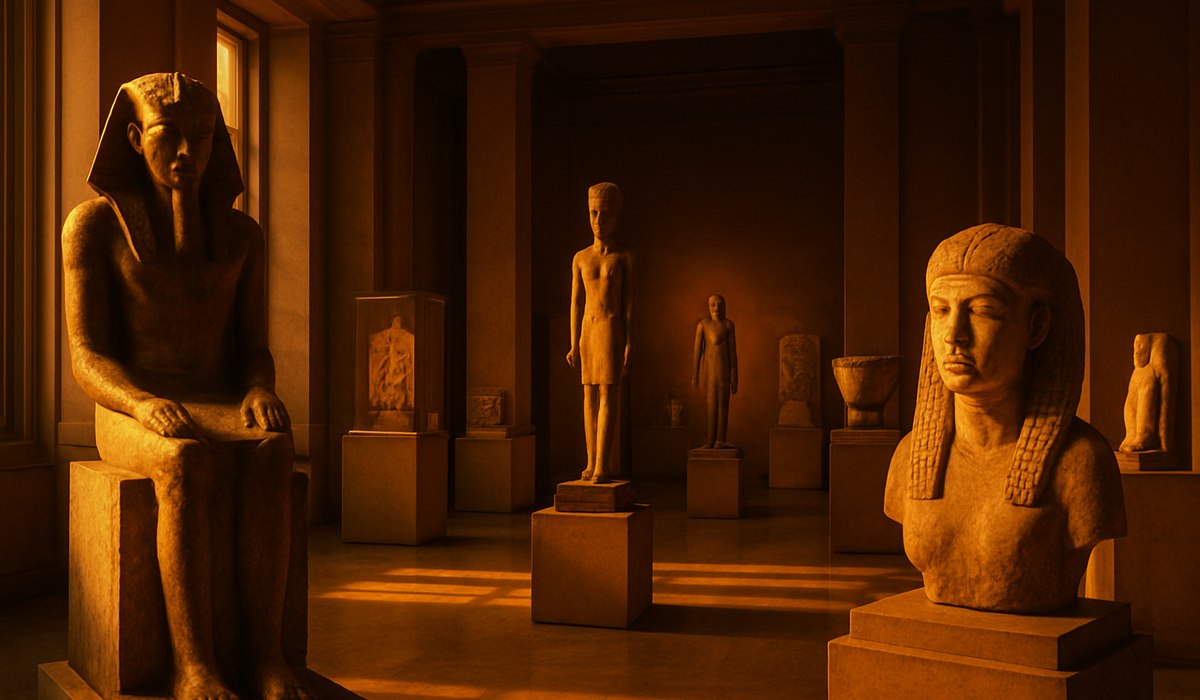
Image generated by AI
Major Archaeological Discoveries Signal Egypt's Tourism Comeback
Egypt has announced a significant cache of ancient artifacts unearthed across Beni Suef and Cairo, marking a pivotal moment in the nation's efforts to restore its tourism economy. The discoveries—including Pharaonic funerary furniture, Roman basilica foundations, and a marble sculpture of Aphrodite—represent some of the most notable finds in recent years. Archaeologists confirm these items span multiple historical periods, demonstrating the layered complexity of Egypt's cultural heritage. This strategic revelation comes as the country aggressively pursues international travelers seeking authentic historical experiences. The timing reflects Egypt's deliberate pivot toward leveraging archaeological treasures as economic drivers.
Archaeological Discoveries Across Egypt
The excavations in Beni Suef and Cairo have yielded artifacts spanning pharaonic and Greco-Roman periods. Funerary furniture from ancient Egyptian tombs provides insights into burial practices and daily life in antiquity. Roman basilica remains offer evidence of early Christian civilization in the Nile Valley. The marble Aphrodite sculpture demonstrates cultural exchange between Mediterranean powers and Egyptian settlements.
These discoveries aren't isolated finds—they represent systematic archaeological work that continues to reshape understanding of Egypt's historical timeline. The Ministry of Tourism and Antiquities has committed to ongoing excavation programs throughout the Nile Delta and Valley regions. Each artifact recovered adds context to Egypt's complex past and strengthens the nation's position as a premier historical destination.
For cultural travelers, these announcements confirm Egypt remains an active archaeological frontier. New museums and exhibition spaces are being developed to display recovered items. The continuous stream of discoveries ensures that repeat visitors encounter fresh historical narratives and expanded collections.
Economic Impact on Tourism Revival
Egypt's tourism sector faced significant headwinds in recent years, with visitor numbers fluctuating due to global circumstances. Archaeological announcements serve dual purposes: they attract international media attention and create tangible reasons for travelers to book trips. The government recognizes that strategic revelation of ancient discoveries maintains momentum in the tourism recovery cycle.
Investment in archaeological infrastructure yields long-term economic benefits beyond ticket sales. Hotels, restaurants, transportation services, and guide services all benefit from increased visitor flows. Local communities near excavation sites experience employment opportunities in museum work, academic research, and hospitality sectors.
The Egypt tourism board has intensified marketing campaigns highlighting these discoveries through international travel channels and social media platforms. Cultural heritage tourism typically commands higher per-visitor spending compared to beach-focused travel. Affluent travelers specifically seeking authentic archaeological experiences represent a valuable demographic segment.
Recent tourism statistics indicate growing interest in Egypt's historical sites. The government plans to expand museum capacity and improve visitor infrastructure at major archaeological zones. These investments position Egypt to capture greater market share among heritage travelers worldwide.
What Travelers Can Expect
The unveiling of Egypt's striking ancient artifacts means enhanced visitor experiences at multiple locations across the country. Travelers planning Egyptian journeys should anticipate updated museum displays featuring newly discovered items. Exhibition spaces in Cairo, Giza, and Luxor are being renovated to accommodate expanded collections.
Guided archaeological tours now incorporate discussion of recent discoveries, providing context unavailable to previous generations of visitors. Professional Egyptologists increasingly emphasize the continuity between ancient and more recent historical periods. This narrative shift helps travelers understand Egypt's cultural significance across millennia.
Access to excavation sites varies based on active research schedules. Some sites permit visitor observation during specific seasons, offering glimpses into real archaeological methodology. Museums implement staggered opening times for newly catalogued artifacts to manage visitor flows effectively.
Accommodation options near major archaeological zones continue expanding. Luxury resorts in Beni Suef and surrounding regions now cater specifically to heritage tourists seeking proximity to dig sites. Smaller boutique hotels emphasize expert knowledge of local history and direct access to archaeological specialists.
Travelers should anticipate longer processing times at popular sites as visitor numbers increase. Booking accommodations and guided tours several months in advance ensures optimal experiences. Traveling during shoulder seasons (spring and autumn) balances weather conditions with moderate visitor density.
Egypt's Cultural Heritage Strategy
Egypt's Ministry of Tourism and Antiquities has articulated a comprehensive long-term strategy centered on archaeological discovery and cultural tourism development. The government recognizes that ancient civilization represents Egypt's most distinctive and globally recognizable asset. Strategic marketing positions Egypt as the world's premier destination for understanding human civilization's foundational periods.
The ministry coordinates with international archaeological institutions to conduct joint excavation projects. These partnerships enhance research quality while generating international media coverage that benefits tourism promotion. Universities from Europe, North America, and Asia maintain active research programs throughout Egypt.
Digital innovation plays an increasingly important role in heritage tourism strategy. Virtual reality experiences allow potential travelers to preview archaeological sites before booking trips. Mobile applications provide detailed historical information at physical locations, enriching visitor engagement.
Conservation efforts have accelerated alongside discovery announcements. UNESCO World Heritage Sites receive increased funding for preservation and environmental protection. The government understands that sustainable tourism practices ensure long-term economic benefits while protecting irreplaceable cultural resources.
Key Data Table: Egypt's Archaeological and Tourism Impact
| Metric | Details | Impact |
|---|---|---|
| Primary Artifact Types | Pharaonic funerary furniture, Roman basilica remains, marble Aphrodite sculpture | Demonstrates multi-era historical significance |
| Discovery Locations | Beni Suef, Cairo | Enhances accessibility from major travel hubs |
| Historical Periods Represented | Pharaonic and Greco-Roman eras | Extends visitor interest across multiple civilizations |
| Expected Tourism Recovery | Strategic artifact announcements support sector revitalization | Direct economic stimulus for hospitality sector |
| Archaeological Timeline | Ongoing excavation programs throughout Nile regions | Sustained interest generation for multi-year period |
| Museum Development | New exhibition spaces and expanded displays | Enhanced visitor infrastructure and capacity |
What This Means for Travelers
The recent announcements about Egypt's striking artifacts represent genuine opportunities for enhanced travel experiences:
-
Plan visits during 2026-2027 to access newly opened exhibitions featuring recently discovered items before global tourism normalizes access patterns.
-
Book guided archaeological tours with specialists who can contextualize discoveries within broader narratives of Egyptian civilization and cultural development.
-
Extend trip duration to incorporate emerging sites in Beni Suef region that previously received limited visitor attention due to accessibility limitations.
-
Consider fall and spring travel windows when weather supports extended site exploration and seasonal excavation activities create dynamic archaeological environments.
-
Research museum schedules in advance since newly catalogued artifacts often display on rotating schedules requiring strategic planning for comprehensive collection viewing.
-
Engage with local communities near excavation zones to understand how archaeological discovery directly benefits regional economies and employment opportunities.
FAQ
What types of artifacts has Egypt recently unveiled? Egypt has discovered Pharaonic funerary furniture, Roman basilica remains, and marble sculptures including a Aphrodite head. These artifacts span multiple historical periods and were found in Beni Suef and Cairo regions.
How do these discoveries impact tourism to Egypt? Archaeological announcements generate international media attention and provide compelling reasons for cultural travelers to visit. Increased visitor numbers directly benefit hospitality sectors while promoting global awareness of Egypt's historical significance.
Can tourists visit active excavation sites? Some excavation locations permit visitor observation during specific seasons, though access varies based on ongoing research schedules. Travelers should contact the Ministry of Tourism and Antiquities for current site accessibility information.
When should travelers plan Egypt visits to see newly discovered artifacts? Booking trips during 2026-2027 ensures access to newly opened exhibitions. Spring and autumn offer optimal weather conditions combined with manageable visitor density at major archaeological zones.
Related Travel Guides
Disclaimer
This article is for informational and educational purposes only. It does not constitute legal, financial, or professional advice. While we strive to provide accurate and up-to-date information, travel policies, regulations, and conditions change rapidly. Always verify information with official sources before making travel decisions. Nomad Lawyer makes no representations about the accuracy, reliability, completeness, or suitability of the information provided. Readers should consult qualified professionals for advice specific to their circumstances. The views expressed in this article are those of the author and do not necessarily reflect the views of Nomad Lawyer.
Raushan Kumar
Founder & Lead Developer
Full-stack developer with 11+ years of experience and a passionate traveller. Raushan built Nomad Lawyer from the ground up with a vision to create the best travel and law experience on the web.
Learn more about our team →