
Southeast Asia Travel Warnings 2026: High-Risk Zones in Myanmar, Philippines, and Thailand
Updated travel advisories from the US and UK highlight severe risks in Southeast Asia, urging travelers to avoid Naypyidaw, Cotabato City, and Hat Yai.

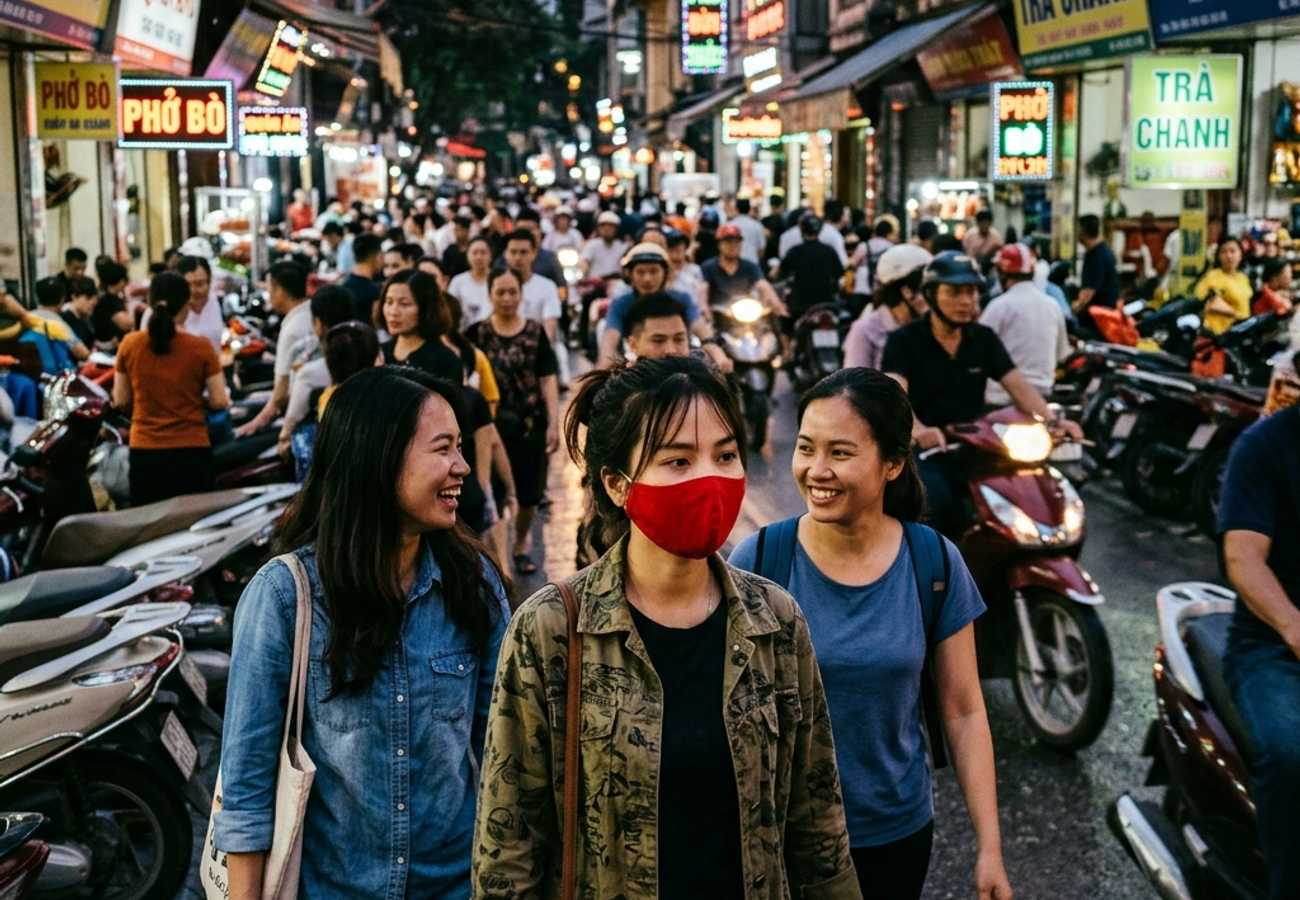
Image generated by AI
Naypyidaw, Cotabato, Zamboanga City, and Hat Yai Stand as Stark Witnesses to 2026 Travel Warnings: What You Must Know Before Planning a Southeast Asia Trip
The US and UK governments have escalated travel advisories across Southeast Asia, citing armed conflict and civil unrest in high-risk zones that are increasingly dangerous for visitors.
As of May 2026, the U.S. Department of State and the UK Foreign, Commonwealth & Development Office (FCDO) have issued deeply concerning travel advisories highlighting significant regional risks across Southeast Asia. These urgent warnings are critical for anyone planning trips to specific hotspots in Myanmar, the Philippines, and Thailand, particularly concerning major regional centers like Naypyidaw, Cotabato City, Zamboanga City, and Hat Yai.
The heightened alert levels stem from a volatile mix of ongoing civil unrest, active armed conflicts, insurgency threats, and regional instability. For both local residents and international visitors, the need for hyper-vigilance and comprehensive situational awareness has never been more pressing. These specific advisories aim to guide tourists, expatriates, and business travelers in making informed, life-saving decisions regarding their regional itineraries.
Context and Background: A Region Under Pressure
The severe travel warnings are not without precedent. In Myanmar, the ongoing humanitarian crisis has reached a boiling point, placing the entire nation under a Level 4: Do Not Travel advisory. The country is completely embroiled in violent, unpredictable clashes between the military junta and various ethnic armed groups, alongside the high risk of landmines and arbitrary detention.
Meanwhile, the Philippines and Thailand are battling localized but intense insurgencies. The Sulu Archipelago and parts of Mindanao face significant threats from violent extremism and kidnapping operations. In southern Thailand, a persistent separatist conflict continues to destabilize the border region with Malaysia. The compounding factors of unexploded ordnance in countries like Laos and Cambodia add further complexity to the security landscape of the region.
Breaking Down the Geographic Risk: 2026 Advisory Data
The following table details the primary risk factors and current U.S. advisory levels for specific Southeast Asian regions based on the latest governmental guidance.
| City/Region | Country | U.S. Advisory Level | Primary Risks |
|---|---|---|---|
| Naypyidaw, Yangon | Myanmar | Level 4: Do Not Travel | Armed conflict, civil unrest, landmines, arbitrary detention |
| Manila | Philippines | Level 2: Exercise Increased Caution | Violent crime, terrorism, insurgency |
| Pattani, Yala | Thailand | Level 2: Exercise Increased Caution | Separatist violence, insurgent attacks |
| Siem Reap | Cambodia | Level 2: Exercise Increased Caution | Street crime, landmines near border areas |
| Vientiane, Xaisomboun | Laos | Level 2: Exercise Increased Caution | Civil unrest, unexploded ordnance |
| Ho Chi Minh City | Vietnam | Level 1: Exercise Normal Precautions | Petty crime |
What Guests Face: The Direct Impact in High-Risk Zones
Travelers venturing near or into these highlighted areas should anticipate severe operational disruptions and strict security protocols:
- Total Travel Bans: All travel to Myanmar is actively discouraged; any entry risks severe humanitarian and personal safety consequences.
- Restricted Movement: In southern Thailand (Pattani, Yala) and the southern Philippines, military checkpoints and restricted travel zones are heavily enforced.
- Border Hazards: Areas within 20 kilometers of the Cambodia-Thailand border feature active clashes and unexploded ordnance, making overland crossings incredibly dangerous.
- Urban Crime Spikes: While cities like Phnom Penh, Manila, and Ho Chi Minh City remain generally open, petty crime and targeted bag snatching pose a constant threat in crowded public squares.
What This Means for Travelers: Navigating Southeast Asia Safely
The reality of these advisories is that standard travel insurance policies will frequently become completely void if you enter a "Level 4" or specific "Do Not Travel" zone designated by the World Tourism Organization (UN Tourism) or state departments. Before finalizing your itinerary, verify that your exact destination lies outside these red zones.
If you must travel to cities bordering these regions, maintain a low profile and avoid all public demonstrations or large political gatherings. Ensure you have registered your travel plans with your respective embassy and carry emergency medical and evacuation coverage. For those seeking adventure, pivot your travel plans to stable areas—such as central Vietnam or northern Thailand—where normal safety protocols apply.
FAQ: Southeast Asia Travel Warnings 2026
Which country in Southeast Asia has the highest travel risk right now? Myanmar is currently under a strict Level 4: Do Not Travel advisory due to severe civil unrest, armed conflict, and arbitrary detention risks.
Is it safe to travel to the Philippines in 2026? While many areas are safe, regions like Mindanao, including Cotabato City and Zamboanga City, are high-risk zones due to terrorism and insurgency threats.
What are the primary dangers in southern Thailand? Southern provinces such as Pattani, Yala, and Hat Yai face ongoing separatist violence and insurgent attacks, prompting advisories to avoid non-essential travel.
Related Travel Guides
Disclaimer
This article is for informational and educational purposes only. It does not constitute legal, financial, or professional advice. While we strive to provide accurate and up-to-date information, travel policies, regulations, and conditions change rapidly. Always verify information with official sources before making travel decisions. Nomad Lawyer makes no representations about the accuracy, reliability, completeness, or suitability of the information provided. Readers should consult qualified professionals for advice specific to their circumstances. The views expressed in this article are those of the author and do not necessarily reflect the views of Nomad Lawyer.
Kunal K Choudhary
Co-Founder & Contributor
A passionate traveller and tech enthusiast. Kunal contributes to the vision and growth of Nomad Lawyer, bringing fresh perspectives and driving the community forward.
Learn more about our team →