
Egypt Tourism Analysis 2026: Major Hubs Thrive While Northern Sinai and Border Zones Remain Restricted
Egypt's core tourism network in Cairo, Luxor, and the Red Sea continues strong operational growth in 2026, despite persistent travel advisories for Northern Sinai and remote border regions.

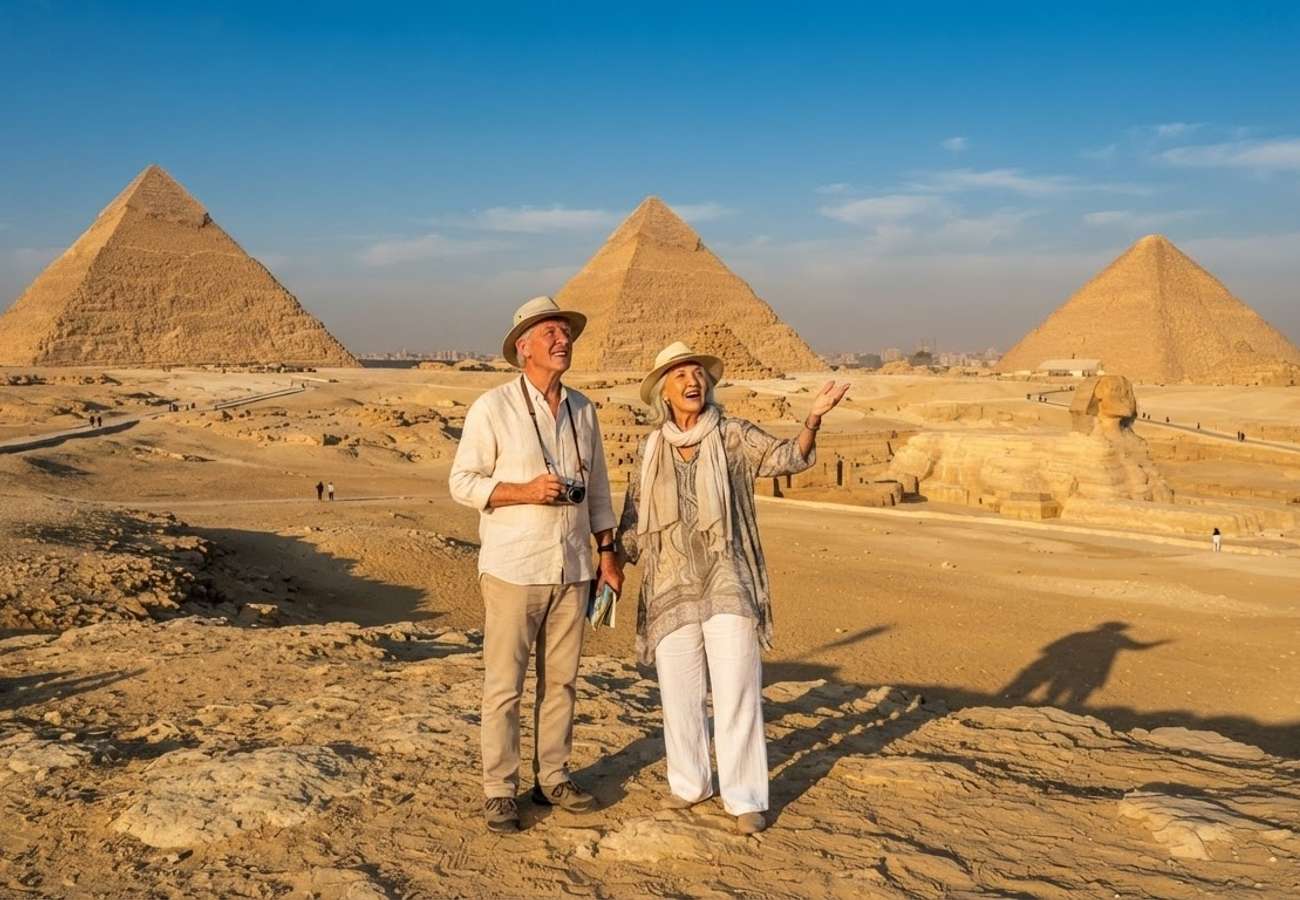
Image generated by AI
Egypt’s primary tourism corridors remain fully operational in 2026, maintaining high visitor volumes in Cairo, Luxor, Aswan, and the Red Sea. However, a sharp geographic divide persists as international advisories continue to restrict travel to Northern Sinai and remote border zones.
Operational Status of Egypt's Tourism Network
Industry data indicates that Egypt continues to function as a primary hub for African tourism. The country's tourism infrastructure is concentrated within the Nile Valley, the Mediterranean coastline, and the Red Sea corridor. These zones operate independently of the regions currently flagged by international security agencies.
The Urban and Cultural Core
Cairo remains the primary gateway for international arrivals via Cairo International Airport. The capital's tourism ecosystem—including the Giza Pyramids, the Grand Egyptian Museum, and Islamic Cairo—is operating at full capacity. Market trends suggest that digital visa initiatives and airport modernization have streamlined accessibility for visitors from Europe, North America, and Asia.
The Nile and Red Sea Corridors
In the south, Luxor and Aswan maintain their status as the center of cultural tourism. Nile cruise operations between these two cities remain a top-performing product for 2026. Simultaneously, the Red Sea Riviera, specifically Sharm El Sheikh and Hurghada, continues to attract the luxury and leisure segments. These resorts are purpose-built for international markets and remain geographically isolated from restricted zones.
Geographic Restrictions and Security Advisories
While the core network thrives, specific regions remain under strict travel warnings. These areas are generally absent from standard leisure itineraries.
- Northern Sinai Peninsula: Long-standing security restrictions remain in effect. These advisories apply to areas outside the primary tourism centers of South Sinai.
- Libya Border Zones: Remote western desert regions near the Libyan border are flagged due to isolation and security concerns.
- Sudan Border Regions: Specific remote desert zones along the southern border remain under advisory.
To mitigate risk and maintain visitor confidence, Egypt has deployed visible security measures across airports, museums, and transport hubs. Dedicated tourism police units remain active in all major visitor areas.
Regional Operational Tracker
| Period | Status / Event | Impact Area |
|---|---|---|
| Ongoing | Active Travel Advisories | Northern Sinai, Libya Border, Sudan Border |
| 2026 | Full Operational Capacity | Cairo, Luxor, Aswan, Sharm El Sheikh, Hurghada |
| 2026 | Infrastructure Expansion | Airport modernization and digital tourism services |
Why This Matters: Industry Implication
The dichotomy between Egypt's "green zones" and "restricted zones" highlights a sophisticated segmentation of the national tourism strategy. By concentrating infrastructure and security in a specific corridor (Cairo-Luxor-Aswan-Red Sea), Egypt has effectively decoupled its economic reliance on tourism from the volatility of its border security.
For travel analysts and legal advisors, this underscores the importance of "geographic literacy." Because Egypt spans over one million square kilometers, a blanket travel advisory for the "country" is misleading. The operational reality is that the vast majority of the tourism footprint is entirely unaffected by the instability in Northern Sinai or the remote borders. This allows the state to maintain high GDP contributions from tourism while simultaneously managing high-risk security zones.
Forward Outlook
Expect continued investment in the "Digital Egypt" initiative to further reduce friction for international arrivals. As airport modernization concludes, the focus will likely shift toward expanding the luxury segment in the Nile Valley. Travelers should continue to rely on official government guidance, as the gap between tourist-friendly zones and restricted military zones remains strictly enforced.
Operational stability in the Red Sea and Nile corridors remains the primary driver of Egypt's 2026 travel economy.
Related Travel Guides
Disclaimer
This article is for informational and educational purposes only. It does not constitute legal, financial, or professional advice. While we strive to provide accurate and up-to-date information, travel policies, regulations, and conditions change rapidly. Always verify information with official sources before making travel decisions. Nomad Lawyer makes no representations about the accuracy, reliability, completeness, or suitability of the information provided. Readers should consult qualified professionals for advice specific to their circumstances. The views expressed in this article are those of the author and do not necessarily reflect the views of Nomad Lawyer.
Raushan Kumar
Founder & Lead Developer
Full-stack developer with 11+ years of experience and a passionate traveller. Raushan built Nomad Lawyer from the ground up with a vision to create the best travel and law experience on the web.
Learn more about our team →