
The Giza-Tokyo Cultural Alliance: How Egypt and Japan Are Partnering on the Grand Egyptian Museum and Sustainable Heritage Tourism
Egypt and Japan expand bilateral tourism ties at Tourism Expo Japan 2026, celebrating the Grand Egyptian Museum partnership and sustainable heritage travel.

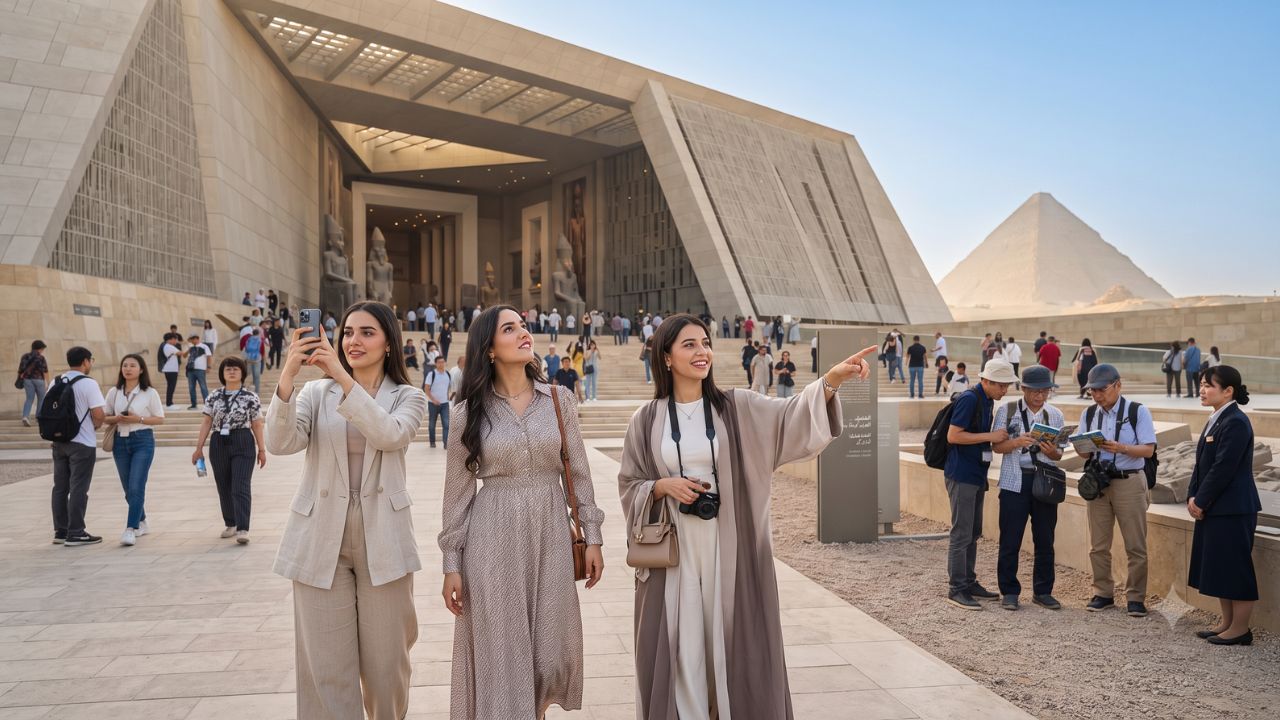
Image generated by AI
Few international visitors realize that the colossal glass-and-stone Grand Egyptian Museum at Giza was financed and archaeologically preserved through a multi-decade technological alliance with the Japan International Cooperation Agency (JICA). Deepening this cultural connection at Tourism Expo Japan 2026, tourism officials from Cairo and Tokyo have established a comprehensive bilateral framework designed to increase reciprocal visitor flows, implement Japanese crowd-management technologies at historic monuments, and promote sustainable archaeological tourism.
A Diplomatic and Archaeological Alliance at Giza
The bilateral talks, led by Egypt's Ministry of Tourism and Antiquities and the Japan Tourism Agency operating under the Ministry of Land, Infrastructure, Transport and Tourism (MLIT), focus on expanding educational group travel and private-sector tour operator partnerships.
The Grand Egyptian Museum (GEM) stands as the centerpiece of this cooperation. Housing over 100,000 ancient artifacts—including the complete 5,000-piece Tutankhamun funerary collection—the museum features state-of-the-art conservation laboratories developed with Japanese engineering expertise. The partnership extends beyond physical construction to include specialized staff training in organic artifact preservation, digital documentation, and high-density visitor pacing.
As part of the 2026 accord, Egypt extended an invitation for Japanese travel industry leaders to inspect newly upgraded infrastructure along the Nile Valley and Red Sea coast, while Japan invited Egyptian representatives to participate in the upcoming Green Expo in Japan to collaborate on carbon-neutral tourism initiatives.
What Makes the Egypt-Japan Tourism Connection Unique
The collaboration bridges two of the world's most historically distinct civilizations through modern visitor management. While Japanese travelers have historically focused on classic antiquities circuits across Cairo, Luxor, and Aswan, Egypt is actively promoting low-impact Red Sea eco-lodges, Western Desert oasis journeys, and heritage walking trails.
Technological knowledge transfer forms another pillar of the agreement. Japan's expertise in handling massive domestic and international transit flows, coordinated by the Japan National Tourism Organization, is being adapted to modernize ticketing and transport around Memphis and the Giza Pyramid Necropolis. Timed-entry digital ticketing, electric shuttle networks, and climate-controlled resting pavilions are replacing unmanaged queues, protecting stone monuments while improving visitor comfort under desert heat.
Visitor Insider Tips for Exploring Egypt's Antiquities
- Grand Egyptian Museum Ticketing Strategy: Reserve GEM entry slots online at least two to three weeks in advance through the official ticketing portal. Book the 9:00 AM morning entry window to experience the grand staircase and royal galleries before regional tour bus groups arrive at 11:30 AM.
- Giza Plateau Mobility Hacks: Utilize the official zero-emission electric buses operating between the GEM and the Pyramids of Khufu, Khafre, and Menkaure. Avoid unregulated animal handlers offering unauthorized camel rides around the monument perimeters.
- Cultural Etiquette and Attire: When visiting working mosques in Islamic Cairo, historic Coptic churches, or local desert communities, dress modestly with shoulders and knees covered. Remove shoes before stepping onto prayer carpets.
- Exploring Beyond the Pyramids: Pair your Cairo itinerary with authentic Nile Valley cultural guides published by Experience Egypt to discover the lesser-known Saqqara Serapeum and Meidum pyramid complexes.
Cultural Preservation and Sustainable Community Context
Heritage tourism along the Nile provides vital income for hundreds of thousands of certified Egyptologists, artisanal alabaster sculptors, felucca skippers, and hospitality professionals. The integration of sustainable tourism frameworks ensures that visitor revenue is reinvested directly into village schools, clean water infrastructure, and archaeological site restoration.
By adopting Japanese conservation principles and participating in international environmental forums like the Green Expo, Egypt is ensuring that its five-thousand-year-old archaeological treasures remain protected against urban encroachment and climate pressures for generations to come.
FAQ: Visiting Egypt and the Grand Egyptian Museum in 2026
Where is the Grand Egyptian Museum located?
The Grand Egyptian Museum is located on the Giza plateau, approximately two kilometers from the Great Pyramids of Giza and twenty kilometers southwest of downtown Cairo.
Do Japanese and international travelers need a visa to enter Egypt?
Citizens of Japan, the European Union, the United Kingdom, the United States, and Canada can obtain a 30-day tourist visa on arrival or apply online in advance via the official Egyptian e-Visa portal.
What is the best time of year to visit Giza and Upper Egypt?
The cooler months from October through April provide comfortable daytime temperatures ranging from 20°C to 28°C, ideal for outdoor temple exploration and desert excursions.
How connects the Grand Egyptian Museum to Cairo International Airport?
The museum is accessible via the Ring Road by licensed airport taxi, private hotel chauffeur, or rideshare app, taking approximately 45 to 60 minutes depending on traffic.
The partnership between Egyptian antiquity and Japanese precision transforms the Grand Egyptian Museum into a timeless bridge connecting ancient wonder with modern conservation.
Disclaimer
This article is for informational and educational purposes only. It does not constitute legal, financial, or professional advice. While we strive to provide accurate and up-to-date information, travel policies, regulations, and conditions change rapidly. Always verify information with official sources before making travel decisions. Nomad Lawyer makes no representations about the accuracy, reliability, completeness, or suitability of the information provided. Readers should consult qualified professionals for advice specific to their circumstances. The views expressed in this article are those of the author and do not necessarily reflect the views of Nomad Lawyer.
Kunal K Choudhary
Co-Founder & Contributor
A passionate traveller and tech enthusiast. Kunal contributes to the vision and growth of Nomad Lawyer, bringing fresh perspectives and driving the community forward.
Learn more about our team →