
Ecuador's Galápagos Islands Hit Peak Wildlife Season as Humboldt Current Drives Penguin Sightings and Marine Bird Activity in 2026
Ecuador's Galápagos Islands enter their most dynamic wildlife tourism period as the Humboldt Current reaches seasonal peak, driving rare penguin sightings and intense seabird nesting across the archipelago.

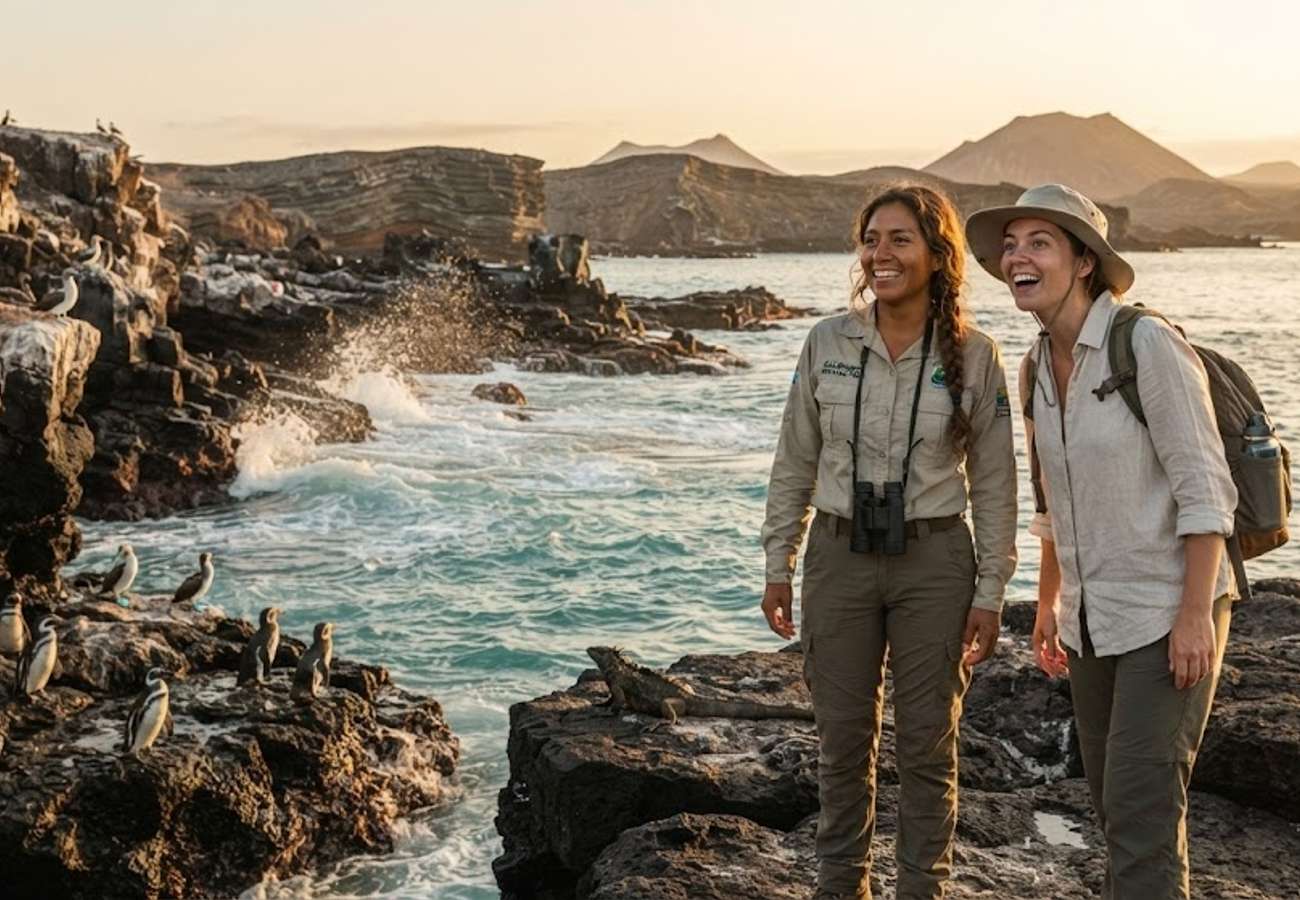
Image generated by AI
The Galápagos Is Experiencing Its Most Electrifying Wildlife Season Right Now
Ecuador's Galápagos Islands have entered one of the most extraordinary periods on the tourism calendar. The cool-water Humboldt Current is at maximum seasonal strength this week, and the results are undeniable: penguin sightings are skyrocketing, seabirds are nesting intensely, and marine life is congregating closer to shore than almost any other time of year.
For nature-focused travellers landing in the archipelago now, the timing couldn't be better—though it comes with a catch.
Why the Humboldt Current Matters (And Why You Should Care)
The Humboldt Current isn't just another ocean phenomenon. Flowing northward from Antarctica along South America's western coastline, this nutrient-rich cold-water river transforms the Galápagos ecosystem into an all-you-can-eat buffet for marine life.
The mechanism is elegant: cooler temperatures stimulate plankton blooms, which fuel fish populations, which attract penguins, seals, seabirds, and sharks. As marine productivity explodes, wildlife behaviour intensifies dramatically. "The Humboldt Current period is when you actually see something happen in the islands," Reddit: "Saw five penguin groups and three hammerhead schools in one week during peak Humboldt season." — r/travel
This seasonal shift is the reason seasoned wildlife photographers and birdwatchers deliberately plan their Galápagos trips during July and August.
Galápagos Penguins: The Rarest Penguins on Earth Are Most Active Now
Among the most coveted wildlife encounters, Galápagos penguins are the headline act. These birds are the only penguin species living naturally north of the equator, and they're found nowhere else on the planet.
The cooling effect of the Humboldt Current creates ideal feeding conditions, keeping penguins active along rocky shorelines. Popular viewing hotspots include Isabela Island and Fernandina Island, where dive-and-feed cycles intensify during peak current season. Tour operators are reporting unprecedented demand for penguin-focused itineraries, with many expeditions fully booked through August.
For photographers, this translates to one undeniable truth: your penguin shot will actually be sharp because the birds are hyperactive and engaged, not sluggish and hidden.
Seabird Nesting Colonies Are in Full Breeding Mode
The abundance of food isn't just feeding individual birds—it's fuelling one of the most active marine bird nesting periods of the year across the entire archipelago.
Blue-footed boobies are performing their famous courtship dances. Nazca boobies are incubating eggs. Flightless cormorants are diving in the shallows. Frigatebirds are defending nesting territories with theatrical aggression. Wildlife guides now incorporate dedicated bird observation stops into daily excursions, allowing travellers to witness live courtship displays, chick-feeding interactions, and territorial defence in real time.
For birdwatchers and documentary-style photographers, this season delivers opportunities that simply don't exist during calmer water periods.
Cruise Tourism Adapts (And Thrives) Despite Rougher Seas
The Galápagos cruise industry faces a seasonal trade-off: stronger currents mean choppier waters, but they also mean unparalleled wildlife encounters.
Many expedition vessels operating in the archipelago require itinerary adjustments during peak Humboldt season to account for sea conditions. Cruise operators are transparent about this—they advertise it as a worthwhile exchange. Typical season highlights they emphasize include:
- Penguin sighting rates at annual highs
- Enhanced seabird activity and nesting behaviour
- Premium snorkelling conditions with marine biodiversity
- Greater mammal encounters (seals, dolphins, whales)
- Active predation displays and feeding behaviour
- Peak photography opportunities
Despite—or perhaps because of—the rougher seas, demand remains robust. Travellers understand that seasickness is a small price for witnessing nature at its most active.
Below the Surface: Marine Life Explosion
Snorkellers and certified divers are encountering extraordinary marine diversity along the coastline. Sea lions, marine iguanas, sea turtles, reef fish, rays, sharks, and massive schools of pelagic fish are concentrated in accessible zones.
This accessibility is crucial to the Galápagos' reputation as one of the world's most inclusive wildlife destinations. Land-based travellers can observe marine activity directly from beaches and designated visitor sites—no expensive cruise required.
Land-Based Tourism Is Quietly Reshaping the Galápagos Experience
While cruise tourism dominates the narrative, land-based tourism is gaining significant traction. Puerto Ayora and San Cristóbal Island now function as sophisticated gateways for extended stays, flexible exploration, and hybrid tourism products that combine wildlife excursions with cultural experiences and conservation activities.
This diversification is attracting a broader demographic of international visitors and channelling tourism revenue more directly into local communities.
Conservation Frameworks Keep the Ecosystem Intact
The Galápagos doesn't operate on a free-for-all tourism model. Visitor numbers, landing sites, wildlife interaction protocols, and marine zones are strictly regulated under Ecuador's comprehensive environmental management framework. Guided excursions follow designated pathways. Protected marine zones are enforced. These measures preserve the ecosystem's integrity while maintaining world-class visitor experiences.
This balance is precisely what keeps the Galápagos functioning as a sustainable wildlife destination decade after decade.
What Travellers Need to Know Right Now
Peak season is now. Penguin sightings are at annual highs. Marine bird nesting is intensifying across multiple islands. Booking windows for July and early August are contracting rapidly.
Expect rougher seas. Stronger currents mean occasional choppiness—especially on day-trip snorkelling excursions. This is documented and expected.
Wildlife behaviour is hyperactive. You'll witness predation, nesting, courtship displays, and feeding interactions that remain dormant during calmer seasons. This is the season for serious nature photography and birdwatching.
Book soon. Expedition capacity is limited, and tour operators are reporting strong bookings through August as word spreads about peak season conditions.
Reddit: "If you're torn about going to the Galápagos, go during Humboldt season. You'll actually see animals doing things instead of just resting." — r/travel
The Galápagos' peak wildlife season is here—and it's proving why Ecuador remains South America's most extraordinary nature destination.
Related Travel Guides
Disclaimer
This article is for informational and educational purposes only. It does not constitute legal, financial, or professional advice. While we strive to provide accurate and up-to-date information, travel policies, regulations, and conditions change rapidly. Always verify information with official sources before making travel decisions. Nomad Lawyer makes no representations about the accuracy, reliability, completeness, or suitability of the information provided. Readers should consult qualified professionals for advice specific to their circumstances. The views expressed in this article are those of the author and do not necessarily reflect the views of Nomad Lawyer.
Preeti Gunjan
Contributor & Community Manager
A passionate traveller and community builder. Preeti helps grow the Nomad Lawyer community, fostering engagement and bringing the reader experience to life.
Learn more about our team →