
École Ducasse Tackles 8.6 Million Hospitality Worker Shortage With New Global Training Models in 2026
As the global hospitality sector faces a massive talent deficit, École Ducasse is pivoting toward modular learning and business-integrated culinary arts to bridge the skills gap.
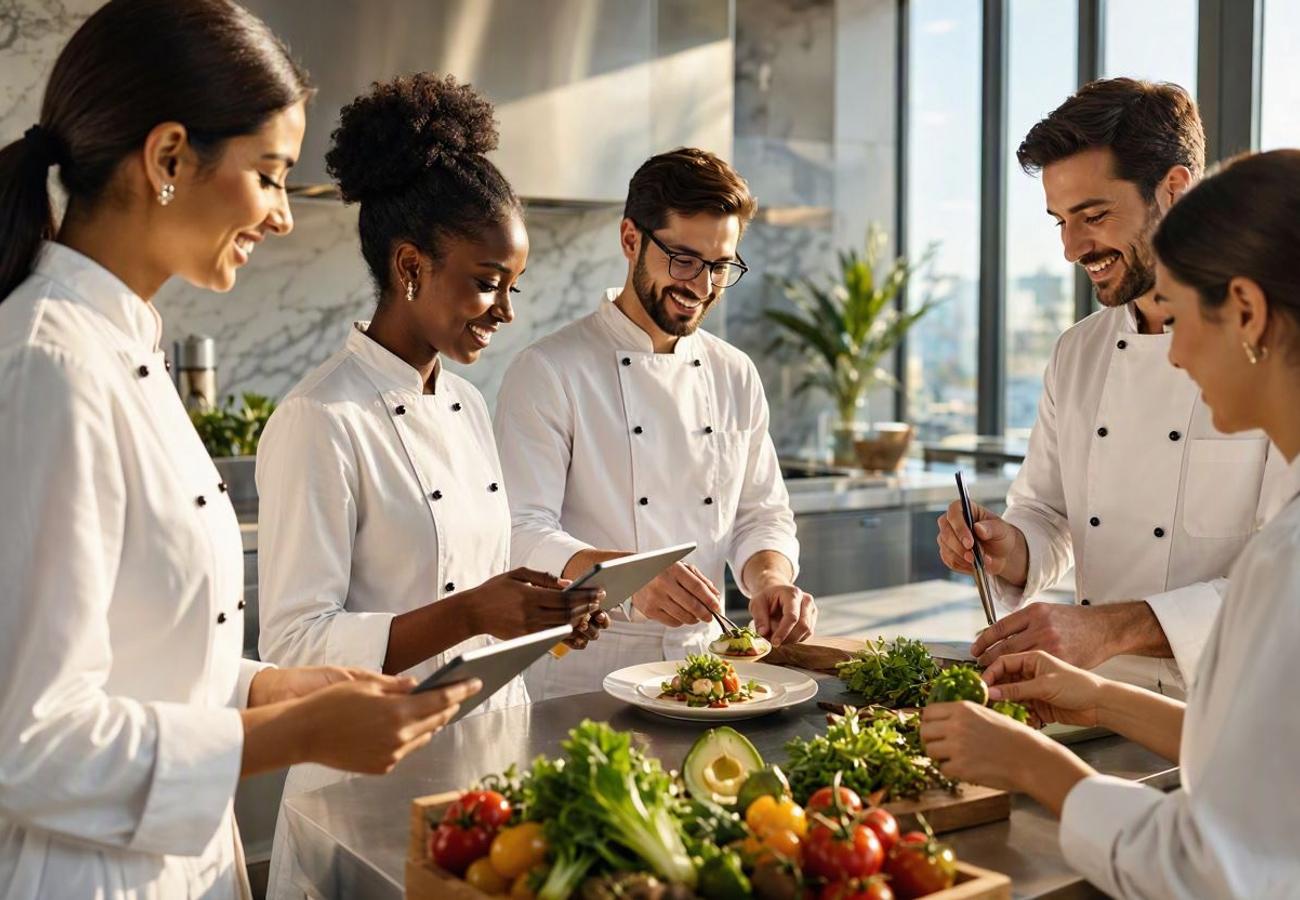
Image generated by AI
The global hospitality industry is staring down a deficit of 8.6 million workers by 2035. This is not merely a lack of staff, but a profound gap in specialized skills that blends classical technique with modern business fluency. While many institutions cling to rigid, multi-year diplomas, École Ducasse is dismantling the traditional classroom model to ensure the next generation of chefs can manage a profit and loss statement as skillfully as they handle a sauté pan.
The Shift Toward Modular Culinary Mastery
The luxury sector is currently undergoing a tectonic shift. Guests no longer just want a meal; they demand extreme personalization, rapid service, and a transparent commitment to sustainability. To meet these needs with leaner teams, Managing Director Karine Hyon Vintrou is steering École Ducasse toward a modular education system.
Rather than requiring professionals to abandon their careers for full-time study, the institution now offers targeted certifications. A prime example is the Professional Certificate in French Pastry Arts, launched in 2025, which allows active chefs to refine their skills online without leaving the kitchen. This flexibility acknowledges a hard truth in the current market: the industry cannot afford to lose experienced practitioners to long-term schooling.
Beyond the Recipe: The New Hospitality Skillset
Modern luxury hospitality requires a hybrid professional. Technical brilliance in the kitchen is now the baseline; the real differentiator is "operational fluency." This means a chef must be as comfortable with digital literacy and revenue management as they are with a knife.
École Ducasse is integrating business-facing subjects—such as brand strategy, entrepreneurship, and multicultural leadership—directly into its core curriculum. This approach prepares graduates for the inevitable transition from the line to executive management, where understanding financial performance is the only way to protect a brand's margins without sacrificing quality.
The Evolution of French Technique and Sustainability
While the school is modernizing, it refuses to abandon the discipline of French culinary arts. However, these techniques are no longer taught as a rigid set of rules, but as a versatile method. Whether a chef is working in Tokyo, New York, or Abu Dhabi, the UNESCO-recognized spirit of French gastronomic excellence provides a standard of precision that can be applied to any local ingredient.
Sustainability has also moved from a theoretical elective to a practical requirement. Following Alain Ducasse’s Naturalité philosophy, the Paris campus utilizes a permaculture garden to teach students about traceability and seasonality. In 2026, this has expanded to include:
- Plant-forward modules: Shifting the focus toward fish and vegetable-centric cuisine.
- Health-conscious pastry: New training in reduced-sugar and plant-based desserts.
- Waste as a skill: Teaching resourcefulness to maximize ingredient value rather than treating waste as a compliance checkbox.
Global Expansion and Local Dialogue
École Ducasse is expanding its footprint not by exporting a fixed menu, but by exporting a methodology. With campuses in Bangkok, Manila, Gurugram, and Abu Dhabi—and a new studio arriving in Cairo—the goal is a "culinary dialogue."
In Cairo, for instance, the curriculum isn't a carbon copy of the Paris model. Instead, it blends French technical standards with Egyptian food culture, ensuring that graduates are globally competitive but locally relevant.
Training Logistics and Educational Pathways
The following table outlines the current educational shifts at École Ducasse to address the 2035 workforce crisis.
| Focus Area | Traditional Model | 2026 Modular Model | Objective |
|---|---|---|---|
| Delivery | Full-time, on-campus diplomas | Hybrid: Online certificates + Diplomas | Increased accessibility for working pros |
| Curriculum | Technical culinary skills | Technical + Business + Digital Literacy | Create "Chef-Executives" |
| Sustainability | Theoretical lectures | Permaculture gardens & plant-based modules | Garden-to-plate operational reality |
| Global Reach | French-centric recipes | Method-based training with local ingredients | Cultural adaptation in global markets |
Visitor Insider Tips for Aspiring Culinary Students
If you are looking to enter the world of high-end culinary arts or are considering a certification at a global institution like École Ducasse, keep these local insights in mind:
- Timing Your Entry: The best time to apply for European-based programs is typically in the autumn for a spring start, but modular online certificates are rolling.
- The "Stage" Mindset: In French culinary culture, the stage (unpaid or low-paid internship) is still the gold standard for networking. Do not rely solely on your certificate; seek out a short-term placement in a Michelin-starred kitchen to build your "street cred."
- Regional Hubs: If you prefer a fast-paced, emerging market, look toward the Bangkok or Abu Dhabi campuses. These locations offer a unique intersection of Western technique and Eastern luxury demand.
- Etiquette: Precision is everything. In a Ducasse-style kitchen, the organization of your mise en place (everything in its place) is often judged more harshly than the final taste of the dish.
Cultural and Environmental Context
The push toward plant-forward and reduced-sugar menus is not just a trend—it is a response to global health crises and environmental degradation. By integrating permaculture into the curriculum, École Ducasse is addressing the "disconnect" between the urban chef and the soil. This shift is critical as luxury guests increasingly demand to know the exact origin of their food. Furthermore, by training chefs in business management, the school is attempting to solve the burnout crisis in hospitality. When chefs understand the financial levers of their business, they are better equipped to create sustainable working hours and fairer wages for their teams.
FAQ: Visiting and Studying at École Ducasse 2026
What is the best way to start a culinary career if I am already working? Enroll in modular certifications, such as the online Professional Certificate in French Pastry Arts, which allows you to gain specialized credentials without leaving your current employment.
Do I need to speak French to study at École Ducasse? While the foundation is French, the international campuses (like those in Bangkok or Abu Dhabi) and many online certificates are designed for a global audience, often utilizing English as the primary medium of instruction.
How does the school handle sustainability in practice? Students use on-site permaculture gardens to learn about seasonality and traceability, and the 2026 curriculum includes specific modules on plant-based pastry and waste reduction.
Is the training focused only on French food? No. The school teaches a "method" of precision and discipline that students apply to local ingredients and food cultures in cities like Cairo and Manila.
The future of the kitchen is no longer just about the flame, but about the balance sheet and the biosphere.
Related Travel Guides
Disclaimer
This article is for informational and educational purposes only. It does not constitute legal, financial, or professional advice. While we strive to provide accurate and up-to-date information, travel policies, regulations, and conditions change rapidly. Always verify information with official sources before making travel decisions. Nomad Lawyer makes no representations about the accuracy, reliability, completeness, or suitability of the information provided. Readers should consult qualified professionals for advice specific to their circumstances. The views expressed in this article are those of the author and do not necessarily reflect the views of Nomad Lawyer.
Naina Thakur
Contributor & Travel Specialist
Travel enthusiast and legal writer covering visa regulations, responsible tourism, and cultural journeys across global destinations.
Learn more about our team →