
Earthquake Risks in Asia 2026: Passenger Rights and Travel Disruption Guide for Japan, Indonesia, and Philippines
A comprehensive guide on navigating travel disruptions caused by seismic activity in Asia's Ring of Fire, detailing legal passenger rights and rebooking strategies for affected travelers.

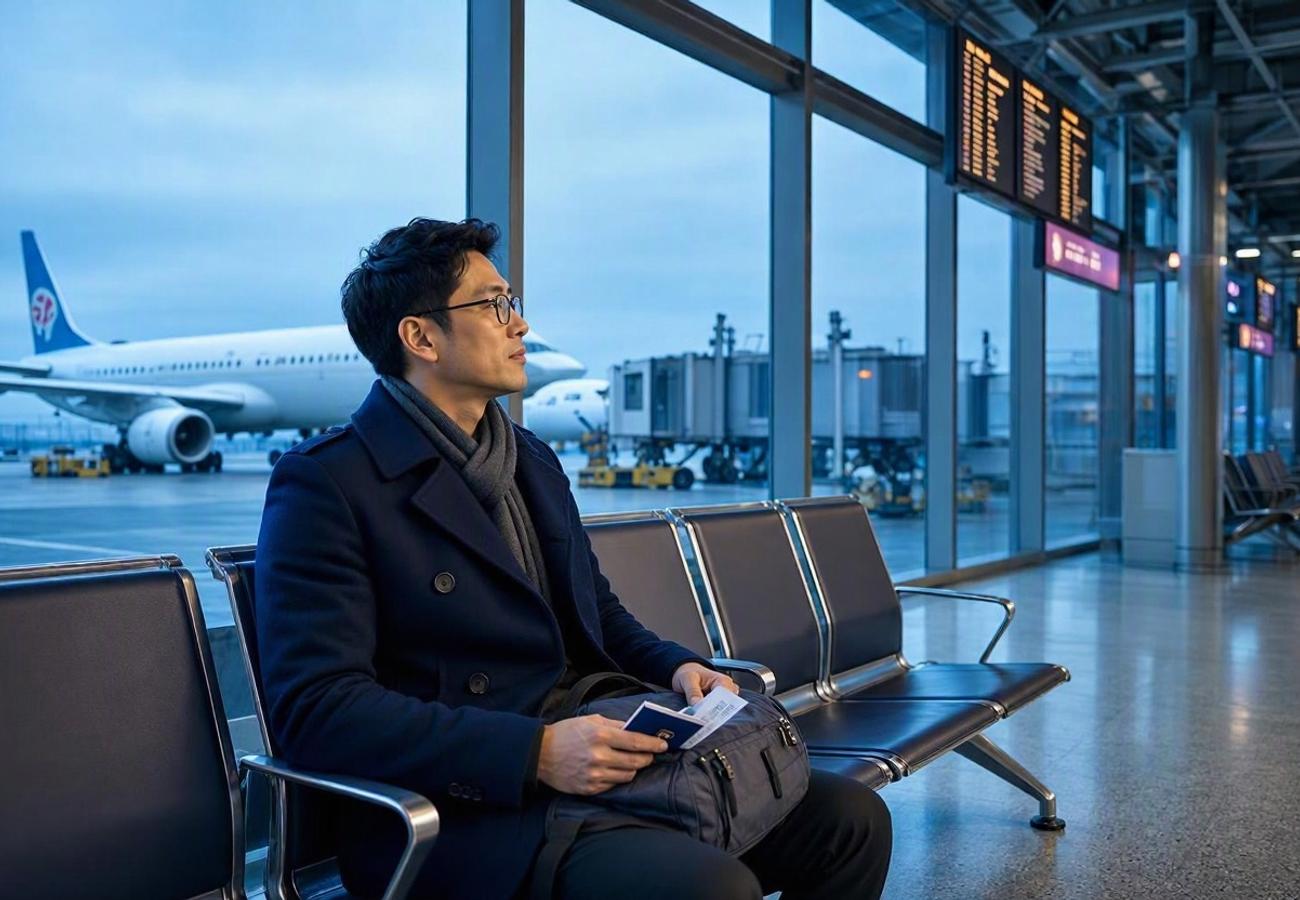
Image generated by AI
A traveler landing in Kumamoto, Japan, discovers their onward Shinkansen connection is suspended and their flight out of Kyushu is canceled due to mandatory runway inspections following a 6.2 magnitude tremor. This scenario is a recurring reality across the Pacific Ring of Fire, where seismic events transform routine itineraries into logistical emergencies.
Seismic Volatility and Transit Paralysis in Asia
Asia's geography places millions of travelers directly atop the world's most volatile tectonic boundaries. From the Himalayan belt to the archipelagoes of Southeast Asia, earthquakes do not merely cause structural damage; they trigger a systemic collapse of transit networks. In regions like Southwestern Japan, the Philippines, and Indonesia, a single tremor can simultaneously freeze rail, air, and maritime operations.
The disruption is rarely limited to the epicenter. Because modern travel relies on interconnected hubs, a seismic event in the Flores Sea can paralyze ferry networks across East Nusa Tenggara, while a tremor in the Tibetan Plateau can halt rail corridors in Southern China. In mountainous zones—specifically Nepal, Pakistan, and Afghanistan—the primary threat is often secondary: landslides and rockfalls that sever the only available road access to remote trekking hubs.
High-Risk Seismic Zones and Transit Impact
The following table outlines the specific regions currently exposed to high seismic risk and the primary transport modes vulnerable to disruption.
| Region | Primary Seismic Driver | Most Vulnerable Transit Mode | Secondary Risk |
|---|---|---|---|
| Southwestern Japan (Kyushu) | Tectonic Boundary Convergence | Shinkansen & Regional Rail | Infrastructure Safety Audits |
| Mindanao, Philippines | Pacific Ring of Fire | Maritime Ferries & Coastal Roads | Tsunami Evacuations |
| Indonesia (Archipelago) | Multi-Plate Interaction | Domestic Aviation & Inter-island Ferries | Port Closures |
| Southern China/Tibet | Continental Tectonic Forces | High-Speed Rail & Bridges | Urban Corridor Congestion |
| Himalayan Belt (Nepal/Pak/Afg) | Indian-Eurasian Plate Collision | Mountain Highways & Trekking Trails | Landslides/Rockfalls |
Your Rights as a Passenger
When a natural disaster like an earthquake causes a flight cancellation or significant delay, your legal protections depend on the jurisdiction of the airline and the departure point.
EU and UK Regulations (EU261/2004 & UK261)
If you are flying from an EU/UK airport or on an EU/UK carrier into Asia, you are protected by EU261/2004.
- Right to Care: Regardless of the cause (including "extraordinary circumstances" like earthquakes), the airline must provide meals, refreshments, and hotel accommodation if you are stranded overnight.
- Refunds vs. Rebooking: You are entitled to a choice between a full refund of the ticket price or re-routing to your final destination at the earliest opportunity.
- Compensation: Note that seismic events are generally classified as "extraordinary circumstances," meaning the airline is typically not required to pay the standard €250–€600 cash compensation.
US Department of Transportation (DOT) Rules
For flights involving US carriers or departing from the US, US DOT regulations mandate that if a flight is canceled for any reason—including natural disasters—and the passenger chooses not to travel on the alternative offered, they are entitled to a full refund to the original form of payment.
Indonesian and Philippine Local Protections
In these regions, rights are often governed by local aviation authorities (such as the DGCA equivalent). While cash compensation is rare for natural disasters, airlines are generally expected to provide basic re-accommodation. Always check your specific FlightAware status to document the exact time of cancellation for insurance claims.
Rebooking Strategy and Alternatives
When a regional transit collapse occurs, waiting in line at a ticket counter is rarely the fastest solution. Use these strategies to regain mobility:
- The "Hub-and-Spoke" Pivot: If an airport in Kyushu is closed, check for availability in Fukuoka or Osaka. If Indonesian inter-island ferries are suspended, pivot to domestic aviation via Jakarta or Bali.
- Competitor Cross-Booking: If your primary carrier is grounded, look for regional alternatives. In Southeast Asia, low-cost carriers often have different operational bases and may remain functional.
- The Refund Trade-off: If the airline offers a "travel voucher," evaluate the expiration date. Under US and EU laws, you are often entitled to cash. Only take the voucher if it is valued significantly higher than the original ticket price.
- Ground-to-Air Shift: In the Himalayas, if roads are blocked by landslides, prioritize helicopter charters or flights from Kathmandu, as these bypass the severed road arteries.
FAQ: Asia Seismic Travel Disruptions 2026
Am I entitled to cash compensation for an earthquake-related cancellation? Usually, no. Under EU261 and most global frameworks, earthquakes are "extraordinary circumstances." However, you are still entitled to a full refund or re-routing, and the airline must cover your hotel and meals while you wait.
What should I do if I am stranded in a remote area of Nepal or Indonesia? Contact your embassy and travel insurance provider immediately. Ensure you have a digital copy of your policy. In remote areas, prioritize official government evacuation routes over private transport.
Can I get a refund if only part of my journey was affected? Yes. If a seismic event makes a segment of your trip impossible, you can request a partial refund for the unused portion of your ticket or a credit for future travel.
How do I verify if an airport is actually open during a disaster? Do not rely solely on airline emails. Use real-time tracking tools like Flightradar24 to see if aircraft are actually landing and taking off from the facility.
Stay vigilant, document every delay, and never accept a voucher when the law mandates a refund.
Related Travel Guides
Disclaimer
This article is for informational and educational purposes only. It does not constitute legal, financial, or professional advice. While we strive to provide accurate and up-to-date information, travel policies, regulations, and conditions change rapidly. Always verify information with official sources before making travel decisions. Nomad Lawyer makes no representations about the accuracy, reliability, completeness, or suitability of the information provided. Readers should consult qualified professionals for advice specific to their circumstances. The views expressed in this article are those of the author and do not necessarily reflect the views of Nomad Lawyer.
Kunal K Choudhary
Co-Founder & Contributor
A passionate traveller and tech enthusiast. Kunal contributes to the vision and growth of Nomad Lawyer, bringing fresh perspectives and driving the community forward.
Learn more about our team →