
Dubai Tourism Crisis 2026: Hotel Occupancy Projected to Plunge from 80% to 10% in Q2
Dubai's hospitality sector faces an unprecedented collapse as Moody’s Analytics projects hotel occupancy will plunge from 80% to nearly 10% in Q2 2026 due to regional instability.

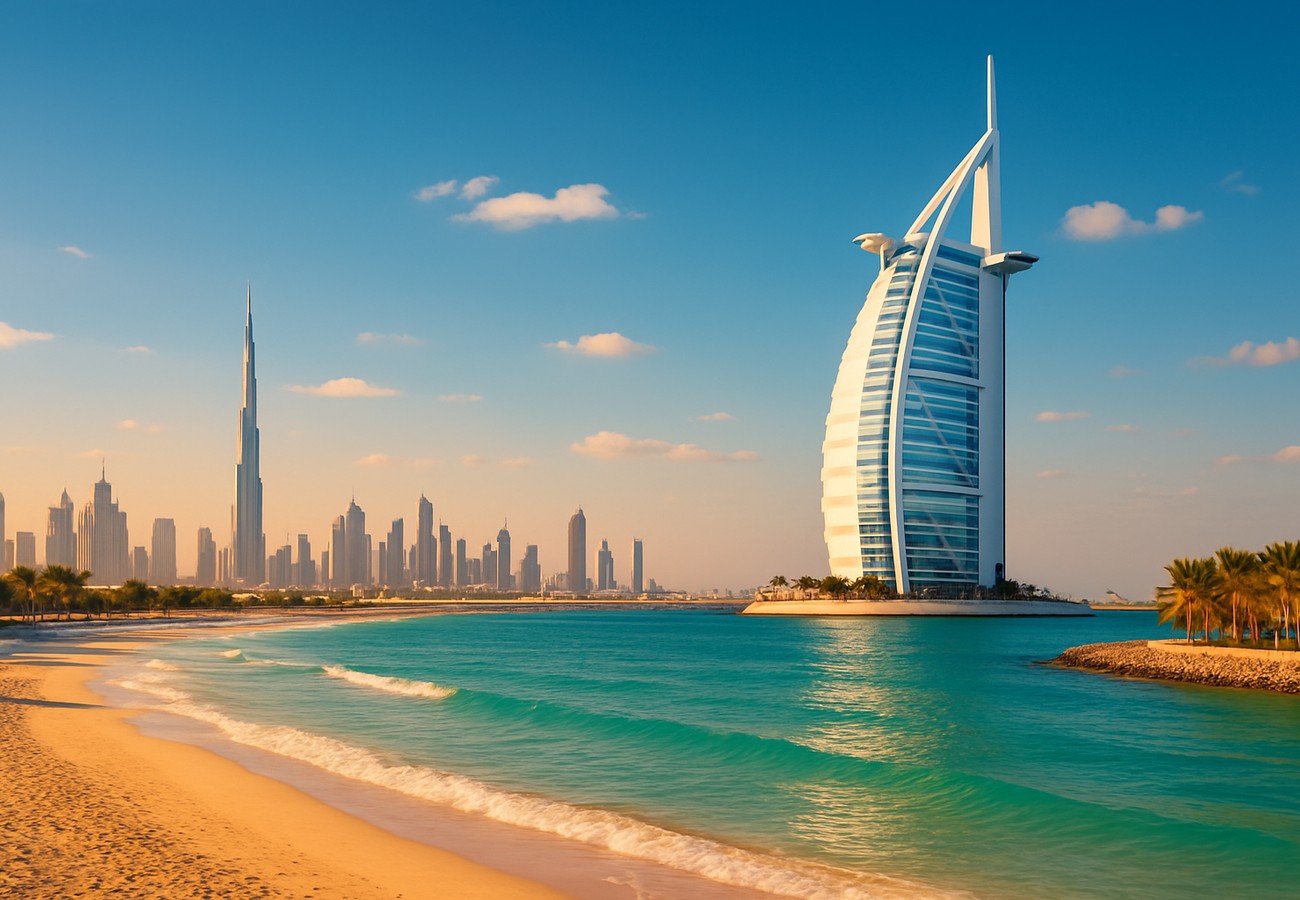
Image generated by AI
Quick Summary
- Dramatic Forecast: Moody’s Analytics projects a catastrophic collapse in Dubai hotel occupancy, with levels expected to plunge to nearly 10% during the second quarter of 2026.
- Rapid Reversal: This represents a massive decline from the 80% occupancy levels maintained as recently as February 2026.
- Regional Instability: The downturn is primarily attributed to regional security concerns and shifting geopolitical dynamics that are deterring long-haul travelers.
- Premium Impact: Luxury districts including Palm Jumeirah, Dubai Marina, and Downtown Dubai are expected to feel the strongest pressure.
- MICE Sector Strain: The meetings, incentives, conferences, and exhibitions (MICE) sector faces widespread event postponements.
- Economic Ripple: The decline is expected to impact airline seat demand, luxury retail spending, and high-end restaurant revenue throughout the emirate.
- Traveler Advice: Tourists are urged to prioritize flexible booking policies and travel insurance with comprehensive disruption coverage.
- Source: Projections from Moody’s Analytics and regional hospitality data as of May 7, 2026.
Dubai’s global identity as a resilient and high-growth tourism powerhouse is facing its most severe challenge in recent history. A new report from Moody’s Analytics has sent shockwaves through the United Arab Emirates (UAE) hospitality industry, forecasting a dramatic drop in hotel occupancy from a robust 80% in February to a mere 10% by the end of Q2 2026. This unprecedented contraction highlights a deep-seated crisis in traveler confidence, as regional instability begins to reshape global tourism flows. For an economy that has pivoted heavily toward luxury tourism and international business events, the projected standstill in room bookings poses a significant threat to GDP diversification efforts. While the emirate’s world-class infrastructure remains fully operational, the psychological barrier for long-haul visitors from Europe and Asia has intensified, leading to a massive wait-and-see approach that is leaving the city’s iconic luxury resorts and convention centers largely vacant.
Dubai Hospitality Performance Forecast: Q2 2026 vs. February 2026
The following table details the projected collapse in key performance metrics for the Dubai tourism sector.
| Metric | February 2026 (Actual) | Q2 2026 (Projected) | Percentage Change |
|---|---|---|---|
| Hotel Occupancy | 80% | ~10% | -87.5% |
| International Demand | High | Low | Systemic Shift |
| Luxury Sector (Palm) | Robust | Fragile | High-Spend Decline |
| MICE Event Volume | Peak | Minimum | Widespread Delays |
| Airline Seat Load | ~85% | ~25% | Logistics Strain |
| Primary Markets | Europe, Asia | Local, GCC | Market Contraction |
| Data Source | Moody's Analytics | N/A | Industry Alert |
Unprecedented Downturn: Moody’s Projects 70% Drop in Dubai Occupancy
The scale of the projected decline is virtually without precedent in Dubai’s modern era:
- Hospitality Standstill: A 10% occupancy rate effectively means that 9 out of 10 hotel rooms in the city will remain empty during the upcoming quarter.
- Revenue Pressure: RevPAR (Revenue Per Available Room) is expected to plummet, forcing many high-end operators to re-evaluate their staffing and operational levels.
- Contracting Corridors: Traditional high-volume tourism links from the UK, Germany, and China are seeing a sharp reduction in forward bookings.
Impact on Luxury Districts: Pressure on Palm Jumeirah and Downtown Dubai
Dubai’s most iconic districts are at the center of the downturn:
- Palm Jumeirah: The beachfront resort corridor, which relies almost exclusively on high-spending international vacationers, is bracing for a significant drop in leisure demand.
- Downtown Dubai: Luxury properties surrounding the Burj Khalifa and Dubai Mall are seeing a slowdown in both leisure and business travelers.
- Premium Pricing: Hotels in these districts often maintain high operating costs, making low occupancy rates particularly damaging to overall tourism profitability.
Global Traveler Hesitation: Why Long-Haul Demand from Europe and Asia is Fading
Geopolitical perception is currently overriding tourism marketing efforts:
- Regional Risk Perception: Even though Dubai remains safe and functional, international travelers are reassessing non-essential trips to the wider Gulf region.
- Long-Haul Decision Cycles: Visitors from North America and Asia, who typically book months in advance, are delaying their itineraries due to regional uncertainty.
- Consumer Confidence: The shift is as much about "traveler psychology" as it is about direct operational disruptions, of which there have been few in the UAE itself.
Economic Implications: The Ripple Effect on MICE Tourism and Luxury Retail
The crisis extends far beyond the hotel lobby:
- Convention Business (MICE): Dubai is a global leader in trade exhibitions and summits; a decline in international corporate mobility would directly hit event organizers and airlines.
- Retail and Dining: Dubai Mall and other luxury retail hubs are heavily dependent on tourism-linked spending, which is projected to soften significantly in Q2.
- Airline Capacity: Emirates and other regional carriers may be forced to adjust flight frequencies if seat load factors fall in tandem with hotel occupancy.
Traveler Guidance: Navigating Flexible Bookings and Insurance in 2026
For those still considering a trip to the UAE, industry experts advise:
- Prioritize Flexibility: Only book hotel rooms and flights that offer full cancellation or flexible rebooking options without heavy penalties.
- Disruption Insurance: Ensure your travel insurance policy specifically covers regional instability and airline schedule changes.
- Monitor Advisories: Regularly check your national government’s travel advisories for the Gulf region before confirming final payments.
- Confirm Business Events: If traveling for a conference, verify the event’s status directly with the organizers, as many international gatherings are being rescheduled.
Strategic Pivot: Can Regional and Domestic Tourism Stabilize the Sector?
Tourism authorities may look inward to bridge the gap:
- Regional GCC Market: Shorter-haul travelers from Saudi Arabia and Qatar may be targeted to offset the loss of long-distance visitors.
- Domestic Staycations: Promoting luxury stays to UAE residents at discounted rates could help maintain a baseline of occupancy for beachfront resorts.
- Marketing Reassurance: Aggressive campaigns emphasizing operational continuity and aviation safety are expected to be launched throughout the remainder of 2026.
Conclusion: The Long Road to Restoring International Confidence in the Gulf
The projected collapse in Dubai’s hotel occupancy represents more than a temporary setback; it is a wake-up call regarding the sensitivity of globally connected tourism hubs to regional volatility. While Dubai still possesses world-class infrastructure and a resilient aviation network, the pace of recovery will depend entirely on restoring international traveler confidence. As Moody’s Analytics highlights, the transition from an 80% to 10% occupancy environment is a dramatic shift that will require several quarters of stability to reverse. For the UAE’s tourism sector, 2026 will be defined by its ability to navigate an increasingly unpredictable global travel landscape while maintaining its status as a premier destination for luxury and business travel.
FAQ: Dubai Tourism Crisis & Occupancy Collapse 2026
What is the projected hotel occupancy for Dubai in Q2 2026? Moody’s Analytics projects that occupancy could fall to nearly 10%, down from 80% in February 2026.
Why is Dubai's tourism sector facing this downturn? The primary drivers are regional instability, security concerns, and a significant decrease in international travel demand from long-haul markets.
Is it safe to travel to Dubai right now? While Dubai’s infrastructure and airports are operating normally, travelers are advised to monitor official advisories and ensure they have flexible booking policies.
Related Middle East Tourism Reports
Disclaimer
This article is for informational and educational purposes only. It does not constitute legal, financial, or professional advice. While we strive to provide accurate and up-to-date information, travel policies, regulations, and conditions change rapidly. Always verify information with official sources before making travel decisions. Nomad Lawyer makes no representations about the accuracy, reliability, completeness, or suitability of the information provided. Readers should consult qualified professionals for advice specific to their circumstances. The views expressed in this article are those of the author and do not necessarily reflect the views of Nomad Lawyer.
Kunal K Choudhary
Co-Founder & Contributor
A passionate traveller and tech enthusiast. Kunal contributes to the vision and growth of Nomad Lawyer, bringing fresh perspectives and driving the community forward.
Learn more about our team →