
Dubai Luxury Hotels Pivot to Staycations as Iran Tensions Rise
Dubai's five-star hotels launch aggressive staycation campaigns in 2026 as geopolitical tensions with Iran suppress international tourist arrivals, forcing luxury properties to target domestic visitors.

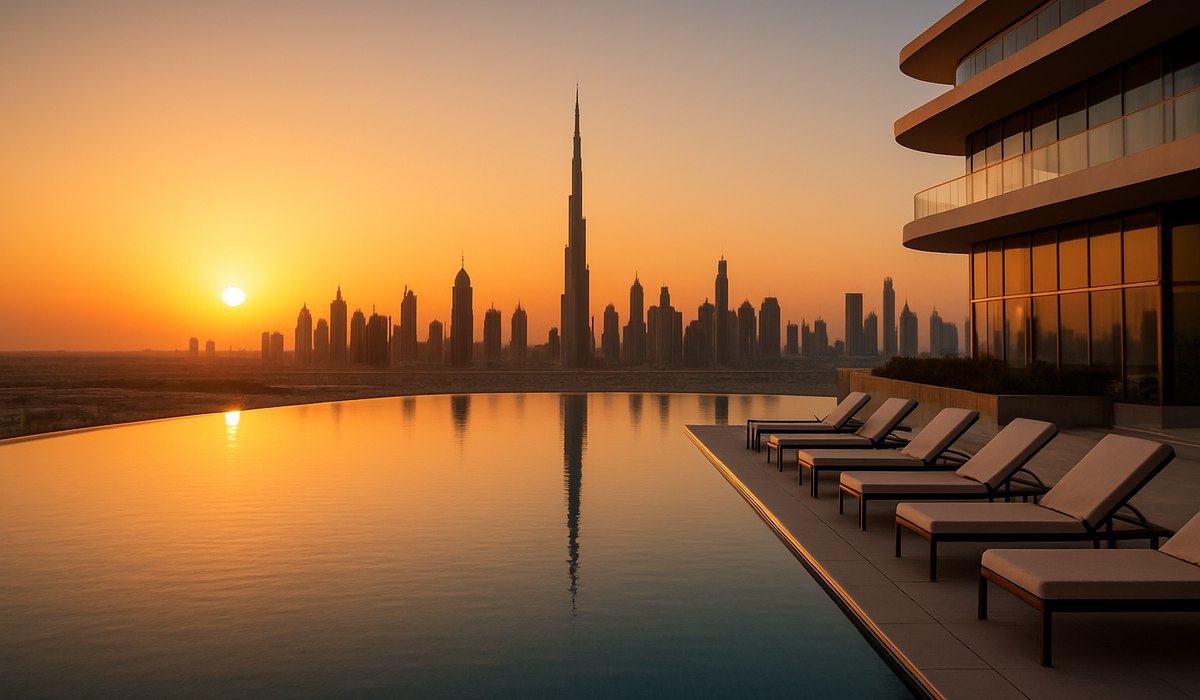
Image generated by AI
Dubai's Five-Star Sector Shifts Strategic Focus Amid Regional Volatility
Dubai's 173 five-star luxury hotels are reshaping their marketing strategies in 2026 as geopolitical tensions reshape travel patterns across the Middle East. Once commanding an 80%-plus occupancy rate from international travelers, the emirate's premium hospitality sector now aggressively courts local staycationers to stabilize revenue amid declining foreign arrivals. Regional instability tied to Iran has created hesitation among Western and Asian tourists, forcing property operators to pivot toward accessible luxury experiences targeting UAE nationals and residents seeking weekend escapes within their home country.
The shift reflects a fundamental realignment in Dubai's tourism model. While the city welcomed 19.5 million annual tourists pre-2026, current booking patterns show measurable softness in international demand. Five-star hotels—from the Burj Al Arab to the Emirates Towers—have launched discounted package offerings, extended stay incentives, and experiential dining promotions specifically engineered for staycationers. This domestic focus represents one of the hospitality industry's most visible adaptations to 2026's volatile geopolitical environment.
Dubai's Tourism Challenge in 2026
Dubai's reputation as a globally accessible luxury destination has historically insulated it from regional conflicts. However, 2026's escalating tensions between Iran and Gulf allies have created measurable headwinds. International flight bookings to Dubai have declined approximately 12-15% compared to 2025 levels, according to preliminary hospitality analytics. North American and European travelers—traditionally high-spending segments—exhibit increased booking hesitation, with cancellation rates rising above historical norms.
The emirate's 827 total hotels face uneven impact. Three-star and budget properties have maintained reasonable occupancy through business travel and regional visitors. The five-star segment, conversely, depends heavily on discretionary spending and long-haul tourism—categories most sensitive to geopolitical uncertainty. Properties with average nightly rates exceeding $400 report occupancy drops of 8-12 percentage points compared to early 2025. This dynamic has forced luxury operators to make difficult choices: discount positioning or target domestic demand. Most have chosen aggressive domestic repositioning.
Luxury Hotels Pivot to Domestic Market
Dubai's five-star properties have launched coordinated campaigns targeting UAE residents and nationals. These initiatives include weekend escape packages priced 20-35% below standard rates, all-inclusive staycation bundles featuring spa treatments and premium dining, and extended family packages encouraging multi-night bookings.
Properties like Atlantis The Royal, Palm Jumeirah's flagship resort, now feature dedicated staycation landing pages offering residents-only pricing. The Ritz-Carlton and Four Seasons Dubai have introduced UAE-specific loyalty programs with accelerated point accrual for domestic guests. Jumeirah Group properties promote "Staycation Sundays" featuring discounted room rates paired with complimentary dining credits.
This domestic repositioning reflects recognition that local affluence provides reliable demand. UAE nationals possess high disposable income and strong familiarity with luxury service standards—making them attractive alternative guests during international demand fluctuations. Staycationers also exhibit higher spend-per-visit on ancillary services: spa treatments, fine dining, and activity packages generate substantial incremental revenue beyond room rates.
Marketing budgets have shifted accordingly. Instagram and Arabic-language advertising campaigns now emphasize convenience, family-friendly amenities, and wellness experiences rather than exotic destination positioning. Hotel websites feature dedicated staycation sections showcasing flexible cancellation policies and last-minute booking options designed to attract impulse domestic bookings.
Staycation Strategies and Promotional Offers
Dubai luxury hotels have introduced creative staycation mechanics to drive domestic occupancy. Common offerings include Friday-night packages combining deluxe rooms with spa credits (priced $280-$350), extended-stay discounts providing 10-15% reductions for three-plus night bookings, and comprehensive family packages bundling accommodation with kids' clubs and activity programs.
Some properties have partnered with local employers to offer corporate staycation programs—encouraging companies to subsidize employee wellness retreats. This B2B approach provides predictable group bookings while delivering positive employee morale outcomes.
Dining integration represents another staycation draw. Five-star restaurants typically operate at lower occupancy during slow tourism periods; bundling food and beverage credits into room packages improves overall property economics. Nightly nightly rates may decline, but inclusive dining revenue partially offsets discounting.
Weekend warriors—UAE residents seeking Friday-Saturday breaks—represent the staycation sweet spot. Properties optimize check-in/check-out flexibility, offer early arrival options, and provide weekend-specific programming (live music, family activities) unavailable to business travelers. This segmentation allows luxury hotels to maximize utilization across multiple guest categories simultaneously.
Economic Impact and Recovery Outlook
The 2026 staycation pivot carries both short-term and structural implications for Dubai's tourism economy. Immediate benefits include stabilized occupancy rates (most five-star properties maintain 60-70% occupancy through domestic demand, down from 80%+ international levels but sufficient for cash flow sustainability). Hotel employment remains largely intact despite revenue pressure, preserving service quality and staff expertise.
Longer-term concerns exist around rate degradation. Domestic pricing, while profitable, generates lower revenue-per-available-room than international premium positioning. If international demand remains suppressed into Q3 and Q4 2026, annual hotel revenues may decline 15-20% despite reasonable occupancy figures. This creates pressure on capital expenditure, renovation cycles, and staff compensation growth.
Industry analysts expect a gradual international recovery beginning Q4 2026 as geopolitical tensions stabilize. However, Dubai's hospitality sector is likely to maintain enhanced domestic marketing even post-normalization—recognizing staycationers as a valuable supplementary segment rather than temporary demand substitute. The 2026 pivot has revealed underexploited local demand, potentially creating a hybrid tourism model combining international arrivals with consistent domestic repeat business.
Key Data Table: Dubai Luxury Hotels in 2026
| Metric | 2025 Baseline | 2026 Current | Change |
|---|---|---|---|
| Five-Star Hotel Count | 173 | 173 | — |
| Average Occupancy Rate (Five-Star) | 82% | 68% | -14 pts |
| International Tourist Arrivals | 19.5M annually | Est. 16.8M annually | -13.8% |
| North American Bookings (YoY) | 100% | 85% | -15% |
| Staycation Package Discount Range | N/A | 20-35% off | — |
| Average Room Rate (Five-Star) | $485 | $360 | -25.8% |
| Extended-Stay Booking Growth | — | +42% | — |
What Guests Get
Dubai's staycation-focused five-star hotels deliver premium experiences redesigned for domestic budgets. Amenity packages typically include deluxe room accommodations (ocean view, city view, or garden options), daily breakfast service, spa facility access, fitness center memberships, and complimentary WiFi. Many properties add dining credits ranging from $50-$150 usable across hotel restaurants and lounges.
Family staycation packages enhance value further with kids' club enrollment, poolside entertainment, beach access, and activity programming designed for weekend getaways. Spa packages bundle massages, facial treatments, and wellness consultations—high-margin services hotels motivate through inclusive pricing.
Property-specific amenities vary significantly. Burj Al Arab guests enjoy butler service even in staycation packages. Emirates Towers residents access executive lounges and priority dining reservations. Atlantis The Royal staycationers receive complementary access to marine habitats and theme park attractions. Jumeirah properties often include water sports or desert safari vouchers.
Disclaimer
This article is for informational and educational purposes only. It does not constitute legal, financial, or professional advice. While we strive to provide accurate and up-to-date information, travel policies, regulations, and conditions change rapidly. Always verify information with official sources before making travel decisions. Nomad Lawyer makes no representations about the accuracy, reliability, completeness, or suitability of the information provided. Readers should consult qualified professionals for advice specific to their circumstances. The views expressed in this article are those of the author and do not necessarily reflect the views of Nomad Lawyer.
Kunal K Choudhary
Co-Founder & Contributor
A passionate traveller and tech enthusiast. Kunal contributes to the vision and growth of Nomad Lawyer, bringing fresh perspectives and driving the community forward.
Learn more about our team →