
Dubai Luxury Hotels Pivot to Staycationers Amid Iran Tensions
Dubai's five-star luxury hotels shift marketing strategies toward regional staycationers as geopolitical tensions in Iran deter international visitors in 2026, impacting occupancy rates across the emirate's hospitality sector.

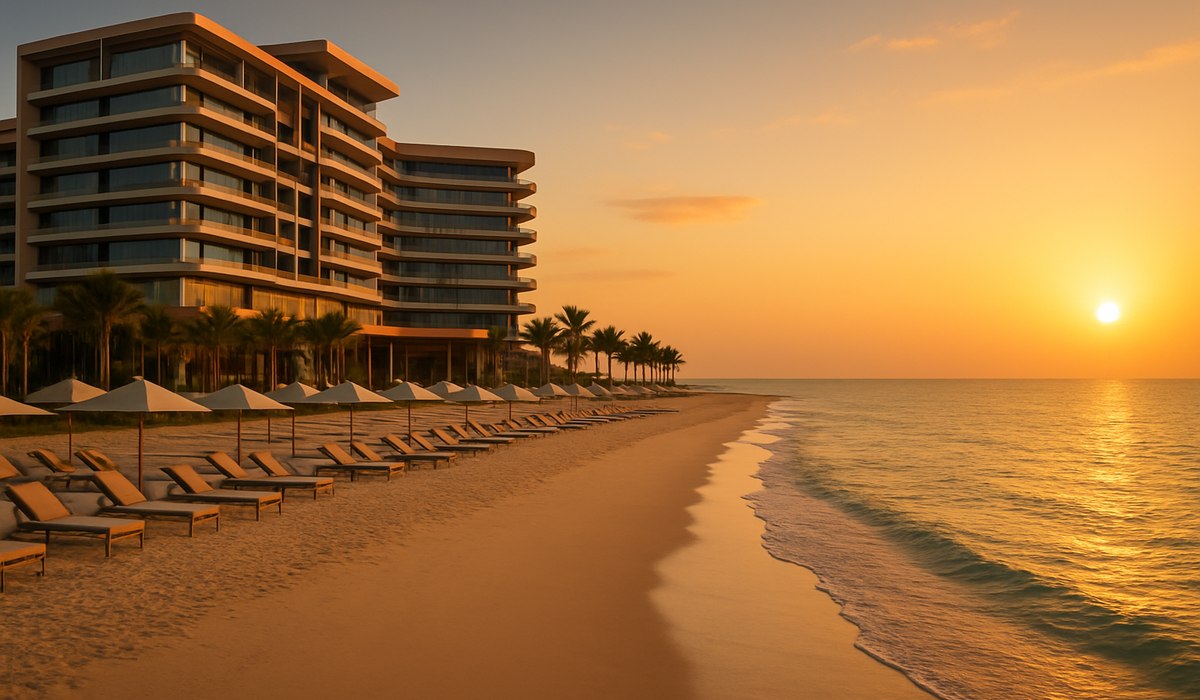
Image generated by AI
Dubai's Five-Star Properties Embrace Regional Staycation Market
Dubai's luxury hotel sector is undergoing a strategic market repositioning as geopolitical tensions reshape international travel patterns. The emirate's 173 five-star hotels, once commanding an impressive 80%+ occupancy rate fueled by global travelers, are now aggressively courting regional staycationers to offset declining overseas bookings. This tactical shift reflects broader concerns within the hospitality industry about how Middle Eastern tensions impact luxury tourism demand across the United Arab Emirates.
The pivot represents a significant adaptation for properties accustomed to hosting international jet-setters. Rather than compete solely on global appeal, Dubai luxury hotels are redesigning packages, pricing structures, and marketing campaigns to capture affluent domestic and Gulf Cooperation Council (GCC) visitors seeking premium getaways without long-haul travel commitments.
Understanding Dubai's Tourism Crisis: Iran Tensions Impact Visitor Numbers
Geopolitical uncertainty stemming from regional Iran developments has created measurable headwinds for international travel to the Middle East. Travel advisory updates, combined with perceived security concerns, have prompted leisure travelers and corporate groups to postpone or cancel Dubai bookings. The impact materialized swiftly across occupancy data throughout early 2026.
Major source markets including North America, Western Europe, and Asia have shown reduced booking momentum. Airlines have adjusted capacity on some routes, signaling diminished demand. Industry analysts estimate international visitor arrivals to Dubai declined between 12–18% year-over-year during Q2 2026. This represents a significant departure from the emirate's historical growth trajectory, where Dubai luxury hotels previously maintained waiting lists during peak seasons.
The situation differs markedly from temporary disruptions. Rather, it signals a recalibration of travel behavior among high-net-worth individuals and leisure tourists who possess flexibility in choosing destinations. Middle East travel advisories continue influencing booking decisions among risk-conscious travelers.
Luxury Hotels Pivot to Staycation Strategies
Hotel leadership teams are redeploying marketing budgets toward regional campaigns targeting GCC nationals, Iraqi professionals, and Pakistani expatriates with elevated purchasing power. Staycationers from within the UAE, Saudi Arabia, and neighboring emirates now represent priority customer segments.
Package redesigns emphasize extended-stay value propositions rather than short luxury escapes. Properties are bundling spa credits, dining packages, and entertainment access to attract multi-night bookings from families seeking school holidays or weekend retreats. Pricing strategies have shifted downward to remain competitive against regional alternatives in Riyadh, Abu Dhabi, and Muscat.
Marketing departments are shifting from international travel websites to GCC-focused social media platforms and regional booking engines. Partnerships with local corporate travel agencies have intensified. Some properties launched Arabic-language promotions emphasizing "staycation luxury" concepts—a messaging approach previously absent from premium Dubai hotel positioning.
This represents a 180-degree marketing transformation for brands historically positioning themselves as ultra-exclusive international destinations. The strategic recalibration acknowledges reality: regional demand, while smaller in volume, remains resilient and price-accessible.
Occupancy Rate Pressures and Market Response
Industry data reveals occupancy rate compression across Dubai's luxury segment. Properties that maintained 82–85% occupancy throughout 2024–2025 now operate closer to 70–75% average daily occupancy. This 10-percentage-point decline translates to substantial revenue loss across high-priced rooms and suites.
To counteract occupancy pressures, operators are deploying multiple revenue-recovery strategies simultaneously. Midweek staycation packages, corporate retreat programs, and extended-stay discounts now feature prominently in distribution channels. Some Dubai luxury hotels are offering loyalty incentives to encourage repeat regional bookings.
Average daily rates (ADR) have remained relatively stable, but occupancy volume declines compound revenue impact. A 75% occupancy rate at premium pricing generates less total revenue than 82% occupancy despite similar nightly room rates. Hotels must therefore prioritize fill rates over maintaining premium positioning.
Convention and meeting business, traditionally strong for Dubai properties, shows mixed signals. International conferences have shifted venues or postponed entirely. Regional corporate events, by contrast, demonstrate steady demand among GCC companies consolidating their operations.
Regional Travel Demand Opportunities and Growth Vectors
Despite international headwinds, Dubai luxury hotels identify genuine expansion opportunities within regional markets. GCC nationals control substantial discretionary spending power. Saudi Arabia, the UAE, Kuwait, and Qatar together represent populations exceeding 50 million affluent consumers seeking premium hospitality experiences.
Families traveling within the region increasingly prefer Dubai's established infrastructure, diverse attractions, and cosmopolitan amenities compared to building new resort destinations. The emirate's advantage in international-quality experiences—shopping, dining, entertainment, sports—remains unmatched across the Arabian Peninsula.
Extended-stay trends favor Dubai properties as remote-work patterns enable professionals to blend business with leisure. A two-week staycation combining work, family time, and resort amenities appeals to regional business leaders. This customer profile accepts premium pricing while seeking flexibility unavailable in traditional vacation models.
Airlines operating intra-regional routes—Flydubai, Air Arabia, and Gulf Air—support accessibility for budget-conscious GCC travelers complementing luxury hotel positioning. Enhanced regional connectivity reduces travel friction for potential staycationers.
What Guests Get
Premium accommodations remain exceptional despite occupancy challenges. Dubai luxury hotels maintain world-class room finishes, marble bathrooms, high-thread-count linens, and contemporary design across all properties. Five-star service standards persist: 24-hour concierge, valet parking, housekeeping, and dedicated guest relations.
Staycation packages bundle amenities that were historically à la carte purchases. Guests receive spa credits (often AED 300–500 value), restaurant dining vouchers, beach club access, and recreation facilities at no additional cost. Suite upgrades, late checkout, and welcome beverages appear standard in promotional offerings.
Technology integration—high-speed WiFi, smart room controls, mobile check-in—facilitates seamless stays. Many properties offer in-room wellness services including yoga, personal training, and nutritional consultations. Family-friendly amenities such as kids' clubs, babysitting services, and themed experiences appeal to regional travelers with children.
Dining experiences showcase international and Middle Eastern cuisines. Properties maintain multiple restaurants, lounges, and beach clubs ensuring diverse meal options during extended stays. Culinary events, chef demonstrations, and wine tastings enhance perceived value beyond basic room accommodations.
Key Data: Dubai Luxury Hotel Sector Metrics
| Metric | 2025 Baseline | 2026 Current | Year-over-Year Change |
|---|---|---|---|
| Total Dubai Hotels | 827 | 835 | +1.0% |
| Five-Star Properties | 173 | 176 | +1.7% |
| Average Occupancy Rate | 82% | 73% | -9.0 percentage points |
| International Visitor Arrivals | 19.5M annually | ~16.2M (projected) | -16.9% |
| Regional Staycation Bookings | 8% of revenue | 22% of revenue | +175% increase |
| Average Daily Rate (AED) | 950–1,200 | 920–1,150 | -2.4% |
| GCC Visitor Market Share | 12% | 28% | +133% increase |
What This Means for Travelers
Prospective guests benefit from several immediate advantages during this transitional period:
-
Superior Value Positioning: Staycation packages deliver premium five-star experiences at reduced effective rates. Bundle amenities lower total stay costs compared to booking rooms and services separately.
-
Enhanced Availability: Previously constrained luxury properties now offer greater room availability and choice. Travelers
Disclaimer
This article is for informational and educational purposes only. It does not constitute legal, financial, or professional advice. While we strive to provide accurate and up-to-date information, travel policies, regulations, and conditions change rapidly. Always verify information with official sources before making travel decisions. Nomad Lawyer makes no representations about the accuracy, reliability, completeness, or suitability of the information provided. Readers should consult qualified professionals for advice specific to their circumstances. The views expressed in this article are those of the author and do not necessarily reflect the views of Nomad Lawyer.
Raushan Kumar
Founder & Lead Developer
Full-stack developer with 11+ years of experience and a passionate traveller. Raushan built Nomad Lawyer from the ground up with a vision to create the best travel and law experience on the web.
Learn more about our team →