
Dubai Hotel Bookings Recuperate: Stimulus Packages Drive Winter Rebound in 2026
Dubai's hospitality sector stabilizes as government incentives and flexible airline booking policies stimulate the upcoming winter travel season.

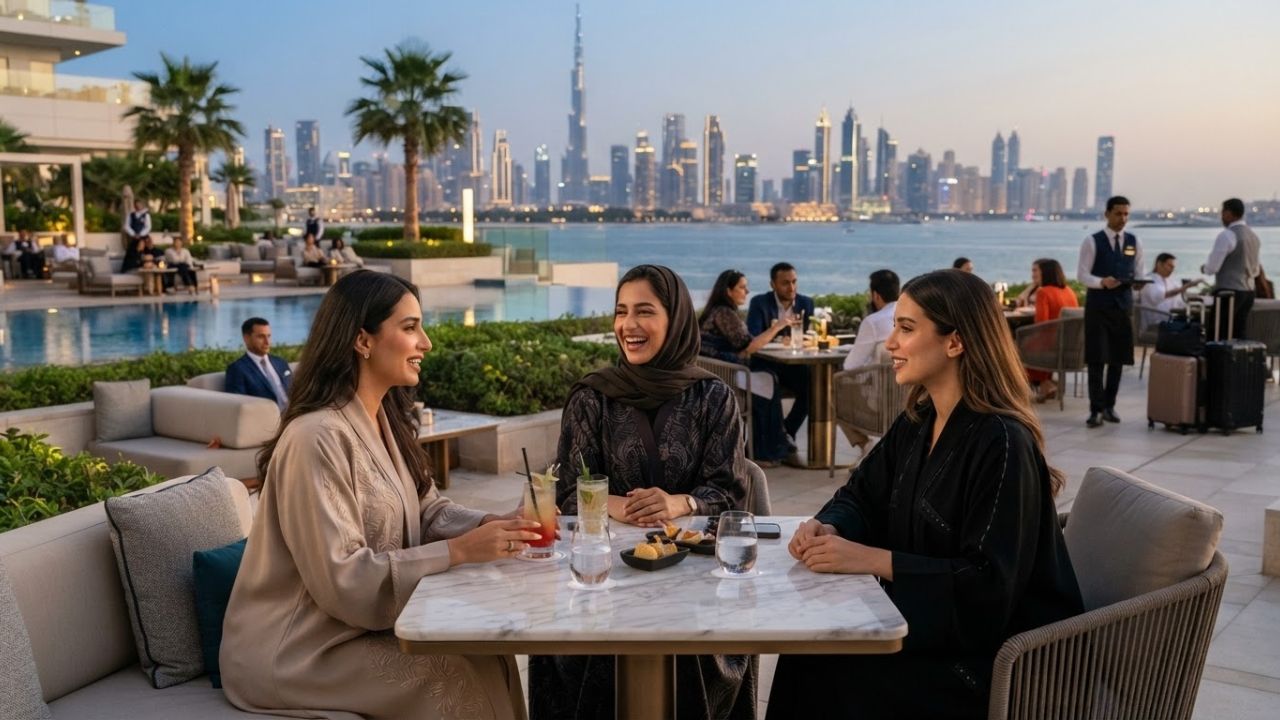
Image generated by AI
The UAE’s hospitality sector is entering a pivotal recovery phase ahead of the winter travel season, backed by a massive AED 2.5 billion government economic stimulus package designed to rebuild confidence and drive international hotel bookings.
The global travel market has demonstrated remarkable resilience as major destinations adapt to unexpected geopolitical shifts. In the Gulf region, hotel operators are transitioning from crisis management to a structured recovery strategy. While regional instability earlier in 2026 temporarily disrupted flight corridors and caused occupancy at certain Dubai properties to drop to 15% and 20%—with some experiencing single-digit occupancy—the underlying tourism fundamentals remain exceptionally strong. This drop in occupancy represented a temporary hurdle for hoteliers, who quickly redirected their marketing efforts toward regional markets.
To put this recovery into context, Dubai recorded a highly successful year in 2025, welcoming 19.59 million international overnight visitors compared to 18.72 million in 2024, representing a solid 5% year-on-year growth. December 2025 alone marked a historic achievement, crossing the two-million monthly visitor threshold for the first time. Supported by a growing domestic staycation market and rising demand from regional GCC countries and India, hotel bookings are beginning to normalize as travelers seek seasonal winter escapes. This recovery is supported by travel agencies offering more flexible policies to restore consumer confidence.
Targeted Economic Stimulus Packages Drive Business Continuity
A key factor in the rapid stabilization of the UAE’s hospitality sector has been the proactive intervention of the Dubai Department of Economy and Tourism (DET) and municipal authorities. Rather than relying solely on promotional campaigns, the government has focused on reducing direct operating costs for hospitality businesses.
- The March 2026 Stimulus: Dubai introduced a targeted AED 1 billion economic incentive package.
- Fee Deferrals: Starting April 1, 2026, hotels, hotel apartments, and holiday homes were permitted to defer 100% of municipal sales fees and Tourism Dirham payments for three months.
- The May 2026 Expansion: An additional AED 1.5 billion economic package was approved, featuring 33 distinct initiatives covering event-related charges and holiday-home permits.
This cumulative AED 2.5 billion in economic incentives has allowed hotel operators to preserve liquid assets and maintain service standards. This measures align with long-term infrastructure incentives, such as the 2025 hotel development program that offers fee reimbursements for two years to eligible new properties in designated growth zones, showing that the emirate views tourism as a primary economic engine.
Restoring Airline Connectivity and Traveler Confidence
Hotel recovery is inseparable from aviation infrastructure. During the height of the regional disruptions, carriers faced changing schedules and airspace restrictions. In response, airlines have prioritized flexibility and reliability over simple price cuts. Emirates President Tim Clark emphasized that the carrier is focusing on non-price incentives, operational safety, and generous rebooking terms to reassure passengers.
Industry experts at Deloitte Middle East estimate that Dubai's hotel occupancy could recover fully within three to six months as flight schedules normalize. This positive outlook is supported by a stable local economy, with Dubai's GDP growing 5.4% in 2025 to reach AED 937 billion. While published room rates remained steady in April 2026—moving slightly from AED 137.28 to AED 135.54—cancellation-inclusive rates experienced a much sharper drop, demonstrating how hotels are using flexible booking policies to rebuild their pipelines. The stabilization of room rates is indicative of a market that refuses to engage in race-to-the-bottom discounting, thereby preserving long-term brand equity for luxury properties across the region.
Sustainable Tourism Initiatives and Local Heritage Focus
As the tourism sector recovers, Dubai is actively integrating sustainable travel models into its hospitality frameworks. The Dubai Can initiative, which is a highly successful citywide environmental campaign, has established free public drinking water stations across major tourist districts to reduce single-use plastic bottles. Travelers are encouraged to carry refillable bottles and book accommodations that hold the Dubai Sustainable Tourism (DST) stamp. This certification, managed by the Dubai Department of Economy and Tourism (DET), enforces 19 sustainability standards on hotels, including strict audits on energy efficiency, waste segregation, and greywater recycling.
To support the local economy directly, visitors are shifting toward community-based tourism. In older, historic neighborhoods like Deira and Bur Dubai, travelers can explore traditional commercial hubs like the Gold, Spice, and Perfume Souks. Bargaining is highly expected here, except for raw gold rates which are strictly government-regulated, allowing visitors to negotiate the making charges instead. Crossing the historic Dubai Creek on a traditional wooden Abra (water taxi) costs only AED 1, offering a scenic, low-impact transit experience that directly benefits local boat operators. Visitors can also explore the Al Fahidi Historical Neighbourhood, admiring the traditional wind-tower (barjeel) architecture and visiting independent local galleries, which helps preserve the heritage of the city's early merchant communities.
Destination Expert Insider Tips for Dubai Winter Travel
To assist travelers in planning their trips and maximizing value, local destination specialists recommend the following practical tips:
- Compare Packages Beyond Room Rates: When booking, evaluate total package values—including breakfast, airport transfers, and resort credits—rather than just the headline daily rate.
- Utilize Public Transit: Purchase a Silver Nol Card for convenient, low-cost travel on the Dubai Metro, Dubai Tram, and public buses. It is a highly efficient way to bypass peak traffic gridlock.
- Manage Nol Card Balances: When using your Nol card on the metro or buses, always tap in and tap out on the readers at the gates. Keep your card balance above AED 7.50 to avoid boarding delays, and top up easily at any station ticketing machine.
- Book Sunsets Early: For iconic experiences like the Burj Khalifa observation decks, reserve tickets online weeks in advance for the sunset golden hour, as winter demand drives rapid sell-outs.
- Dress Respectfully in Traditional Districts: When visiting the historical souks of Deira or the Al Fahidi district, dress modestly, covering shoulders and knees out of respect for local traditions.
- Combine Dubai with Abu Dhabi: Consider a dual-city itinerary. Abu Dhabi offers a complementary tourism mix of cultural landmarks like the Louvre Abu Dhabi, theme parks, and luxury resorts, distributing visitor demand across the wider emirates.
UAE Tourism Long-Term Economic Outlook
The long-term outlook for the UAE's hospitality sector remains highly positive, supported by world-class infrastructure and continuous government support. While the recovery in long-haul corporate travel may be more gradual than the rapid rebound in regional leisure trips, the diversification of source markets—including the GCC, India, and European countries—ensures a balanced return to growth. This multi-market approach helps operators reduce reliance on any single country, stabilizing occupancies throughout the year.
By combining flexible booking policies, strategic economic incentives, and a growing focus on sustainability, the UAE is reinforcing its status as one of the world's most resilient winter travel destinations. This adaptive approach guarantees that the hospitality sector continues to serve as a vital pillar of the nation's economic success. As travelers prepare for the upcoming winter season, the collaborative efforts of DET, regional airlines, and hoteliers are set to secure Dubai's position in global tourism.
Related Travel Guides
Disclaimer
This article is for informational and educational purposes only. It does not constitute legal, financial, or professional advice. While we strive to provide accurate and up-to-date information, travel policies, regulations, and conditions change rapidly. Always verify information with official sources before making travel decisions. Nomad Lawyer makes no representations about the accuracy, reliability, completeness, or suitability of the information provided. Readers should consult qualified professionals for advice specific to their circumstances. The views expressed in this article are those of the author and do not necessarily reflect the views of Nomad Lawyer.
Kunal K Choudhary
Co-Founder & Contributor
A passionate traveller and tech enthusiast. Kunal contributes to the vision and growth of Nomad Lawyer, bringing fresh perspectives and driving the community forward.
Learn more about our team →