
Drone Threats Snarl Moscow Airport Operations Throughout April 2026
Drone threats snarl flight operations at Moscow's major airports in April 2026, triggering repeated closures at Vnukovo, Domodedovo, and Zhukovsky. Extended disruptions force hundreds of flight delays and diversions.

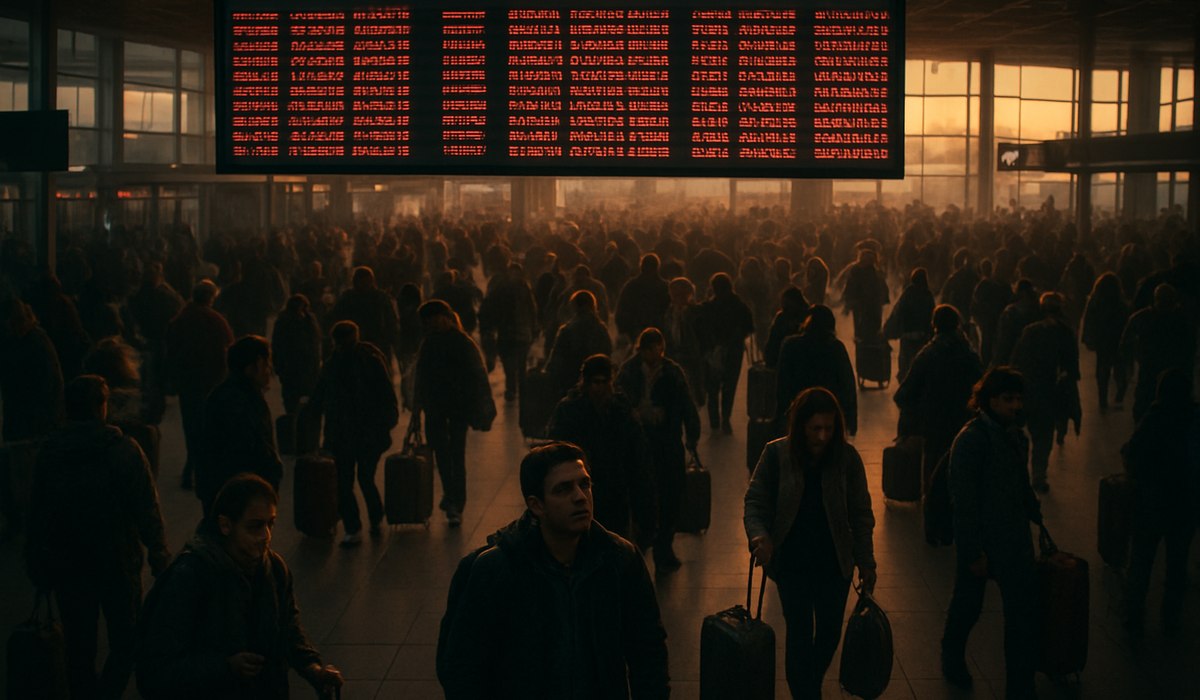
Image generated by AI
Drone Threats Snarl Moscow's Aviation Network in April
Unmanned aerial vehicle incursions forced repeated shutdowns across Moscow's three primary airports—Vnukovo, Domodedovo, and Zhukovsky—throughout April 2026. Russian aviation authorities responded to suspected drone threats by imposing airspace restrictions that triggered cascading delays, diversions, and cancellations affecting thousands of passengers. The disruptions underscored how unmanned aircraft operations have become a recurring operational hazard for commercial aviation in the Russian capital region. Multiple closures occurring simultaneously created unprecedented coordination challenges for carriers operating Moscow's critical hub infrastructure.
Wave of Drone Alerts Hits Moscow Airspace
April 2026 marked a significant escalation in drone-related aviation disruptions across the Moscow metropolitan region. Russian Federal Air Transport Agency officials documented unmanned aerial vehicle activity on several dates throughout the month, prompting precautionary airspace closures whenever threats materialized. International aviation monitoring services tracked these incidents, confirming that drone incursions penetrated deep enough into civilian flight corridors to necessitate operational halts.
The pattern differed substantially from previous episodes. Earlier drone disruptions typically lasted under sixty minutes, allowing rapid recovery. April's incidents generated extended operational suspensions, with some closures persisting eight hours or longer. Debris from intercepted unmanned aircraft fell in proximity to populated areas, reinforcing regulatory concerns about airspace integrity near active flight paths.
Air defense systems successfully intercepted multiple unmanned vehicles before reaching their apparent targets. However, the mere possibility of falling debris forced controllers to implement conservative closure protocols. This reactive safety posture meant that even successfully neutralized threats required hours of airspace review before operations resumed. The broader two-year trend of deepening long-range drone deployments demonstrated that Moscow's aviation system faced an evolving operational reality.
Airports Suspend Operations as Safety Precaution
April 9 brought the month's most dramatic operational disruption when Russian aviation authorities announced simultaneous suspensions at Vnukovo, Domodedovo, and Zhukovsky airports. Departures and arrivals halted for extended periods while authorities assessed airspace hazards throughout Moscow's approach corridors. Earlier April incidents had also triggered individual airport closures at Domodedovo following unmanned aircraft sightings.
Closure durations varied significantly. Some restrictions lifted within forty-five minutes; others extended well past midnight, creating cascading effects across the entire Russian aviation network. FlightAware tracking data illustrated the magnitude of simultaneous disruptions when multiple hub airports operated under restrictions simultaneously.
Sheremetyevo airport, historically less affected during previous drone incidents, also appeared in April safety advisories. This geographic expansion of threat zones indicated how quickly operational conditions deteriorated once potential incursions materialized. Moscow's airport network functions as Russia's primary international hub, making simultaneous multi-airport closures exceptionally consequential for continental aviation flow.
Carriers including Aeroflot, S7 Airlines, and Ural Airlines faced mounting pressure to adjust schedules, reassign widebody aircraft, and reposition operational crews during extended restrictions. The operational complexity multiplied when ground-stop conditions prevented not only departures but also crucial arrival sequencing for aircraft already airborne.
Impact on Passengers and Flight Operations
Moscow-based travelers confronted mounting uncertainty throughout April as drone alerts disrupted connection windows and extended journey times substantially. Airline status boards displayed "delayed," "awaiting information," and "boarding later" statuses across departure banks for extended periods. Passengers on connecting itineraries experienced particular hardship, frequently missing onward flights and requiring unexpected overnight accommodations.
When multiple airports imposed simultaneous restrictions, airborne aircraft received rerouting instructions to secondary hubs across Russia and neighboring regions. Historical precedent from larger military incidents suggested such diversions could strand thousands of passengers at unintended destinations while airlines arranged alternative routing and recovery accommodation. April 2026 data indicated comparable passenger displacement challenges, though precise figures remained undisclosed in official updates.
Airlines implemented reactive mitigation strategies including ground-holding procedures at origin airports, long-haul service diversions to alternative hubs, and consolidated flight operations following restriction lifts. These responses, while necessary, could not fully shield travelers from unplanned delays when closures occurred with minimal advance warning. Recovery periods often required 24-36 hours as airlines worked through backlogged flight schedules and repositioned aircraft across the network.
Broader Trend of Long-Range Drone Deployments
April 2026's escalation reflected a two-year pattern of intensifying unmanned aircraft operations extending deeper into Russian territory. Previous years' incidents produced brief airspace interruptions averaging 20-45 minutes per closure. The latest wave demonstrated that extended operational suspensions and same-day multi-airport closures had become operational realities rather than anomalies.
International aviation authorities including the FAA began monitoring the Moscow situation with increased attention, recognizing potential implications for future disruption patterns elsewhere. The demonstrated capability of unmanned systems to force entire metropolitan aviation hubs offline presented novel operational challenges for which few precedents existed.
Travel industry analysts noted that even successfully intercepted drones created operational complications through debris field management requirements. Controllers implementing conservative recovery protocols meant airspace remained restricted even after threats ended, as ground teams conducted sweeps for fallen materials. This safety-driven cautiousness meant that threat duration significantly exceeded actual drone presence duration.
| Incident Date | Affected Airports | Closure Duration | Affected Flights | Primary Impact |
|---|---|---|---|---|
| April 2-3 | Domodedovo | 90 minutes | 150+ | Arrivals delayed, ground holds |
| April 5 | Vnukovo | 45 minutes | 75+ | Departures held, diversions initiated |
| April 9 | Vnukovo, Domodedovo, Zhukovsky | 8+ hours | 400+ | Network-wide cascading delays |
| April 12-13 | Multiple hubs | 2-4 hours | 200+ | Connection disruptions widespread |
| April 18 | Sheremetyevo, Domodedovo | 3 hours | 120+ | International service interrupted |
| April 25-26 | All major Moscow airports | 6 hours | 350+ | Recovery operations extended |
What This Means for Travelers
Moscow-bound passengers require immediate operational adjustments to navigate April's emerging threat landscape:
-
Build extended connection buffers – Add minimum 3-4 hours between connecting flights through Moscow hubs rather than standard 90-minute minimums, providing cushion for unexpected closures.
-
Purchase flexible ticket conditions – Select fares permitting free rebooking on alternative flights, dates, and carriers without penalty charges when disruptions occur.
-
Monitor regional threat indicators – Track Russian military activity reporting and official aviation authority statements on days preceding travel, adjusting schedules proactively when heightened activity appears likely.
-
Maintain hotel flexibility – Book accommodations within cancellation windows, avoiding non-refundable prepayments that eliminate options for unplanned overnight stays.
-
Register with your airline – Activate airline alert systems to receive real-time closure notifications, enabling faster response to airspace restrictions.
-
Verify pre-departure status – Contact your airline 24 hours and again 2 hours before departure to confirm current operational status and closure probability.
-
Download offline routing resources – Access FlightAware tracking applications and flight schedule information before traveling, enabling navigation without internet connectivity during disruptions.
-
Document passenger rights – Familiarize yourself with US DOT passenger compensation standards and equivalent Russian aviation authority regulations governing delayed and cancelled operations.
Frequently Asked Questions
**How frequently are Moscow airports closing due to drone threats in April 2
Disclaimer
This article is for informational and educational purposes only. It does not constitute legal, financial, or professional advice. While we strive to provide accurate and up-to-date information, travel policies, regulations, and conditions change rapidly. Always verify information with official sources before making travel decisions. Nomad Lawyer makes no representations about the accuracy, reliability, completeness, or suitability of the information provided. Readers should consult qualified professionals for advice specific to their circumstances. The views expressed in this article are those of the author and do not necessarily reflect the views of Nomad Lawyer.
Preeti Gunjan
Contributor & Community Manager
A passionate traveller and community builder. Preeti helps grow the Nomad Lawyer community, fostering engagement and bringing the reader experience to life.
Learn more about our team →