
Dozens Flights Delayed at San Jose Mineta Airport on Saturday
39 flights delayed at San Jose Mineta International Airport on Saturday, April 11, 2026, affecting American, Delta, United and Alaska Airlines on domestic and international routes across the West Coast and beyond.

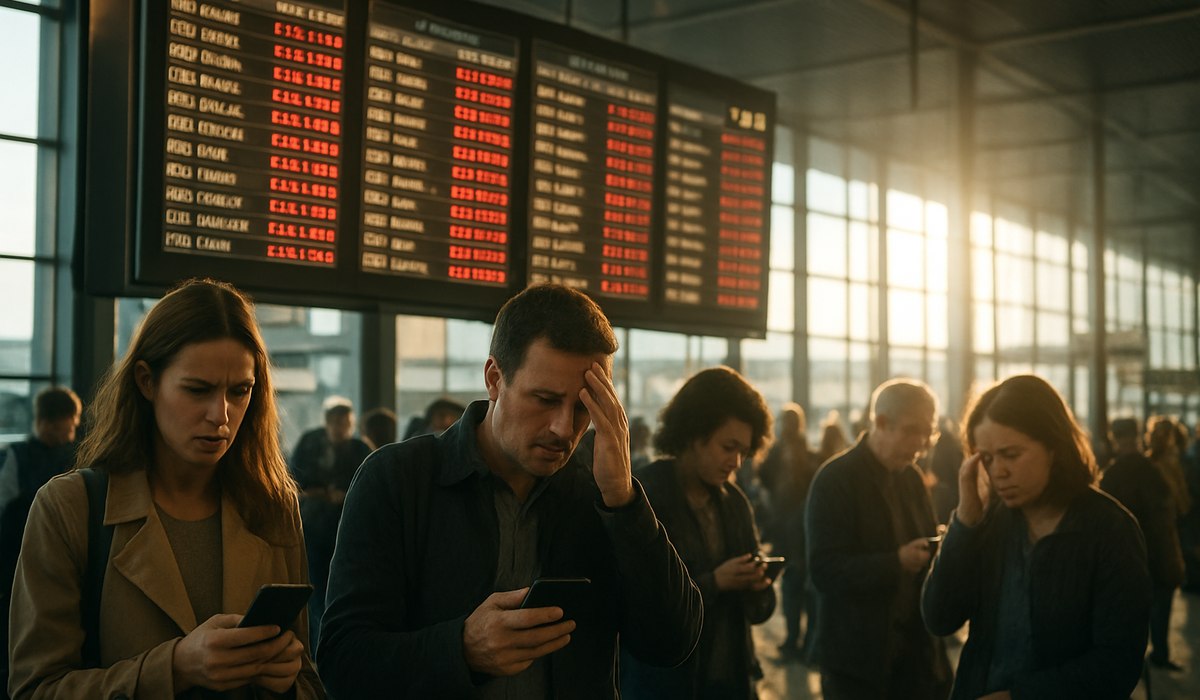
Image generated by AI
Weekend Travel Disruptions Hit San Jose Mineta International Airport
Thirty-nine flights faced delays at San Jose Mineta International Airport on Saturday, April 11, 2026, disrupting schedules across major carriers including American Airlines, Delta Air Lines, United Airlines, and Alaska Airlines. The disruptions affected both domestic and international routes serving the Silicon Valley region, creating ripple effects for passengers with tight connections and same-day itineraries. The scale of delays, while modest compared to larger national hubs, posed significant challenges for the airport's midsize passenger base during a busy weekend period.
Ripple Effects Across Major U.S. Carriers
The dozens flights delayed at San Jose reflected a broader pattern of operational challenges affecting multiple airlines simultaneously. American Airlines, Delta Air Lines, United Airlines, and Alaska Airlines all maintained substantial operations at the airport, alongside carriers such as Frontier Airlines, Spirit Airlines, and Volaris. Flight-tracking data revealed that the 39 delayed flights comprised both departures and arrivals, with many concentrated on high-demand domestic corridors connecting Silicon Valley to major U.S. hubs.
When delays originate at midsize airports like San Jose, they cascade through airline networks with surprising speed. Aircraft arriving late compress turnaround times, limiting crew flexibility and reducing operational margins for subsequent flights. Carriers operating tight schedules experience compounded effects throughout their daily routing. According to the FAA's flight delay information system, delays at origin airports frequently trigger secondary disruptions at downstream connection points, especially when passengers miss onward flights due to late arrivals.
The concentration of multiple carriers facing simultaneous delays suggested a shared operational constraint rather than airline-specific issues. Ground infrastructure challenges, airspace congestion, or weather-related factors typically impact all operators using the same facility, creating synchronized disruptions that affect travelers across competing airlines.
How Local Delays Cascade Through Airline Networks
San Jose Mineta's geographic position within California's crowded Bay Area airspace amplifies the impact of local disruptions. The airport shares regional airspace with San Francisco International Airport and Oakland International Airport, three major facilities operating within tight lateral separation standards. Any adjustment to departure procedures, arrival spacing, or ground hold requirements at the region's primary hub immediately affects operations at San Jose.
Recent federal initiatives regarding runway configurations and aircraft spacing at San Francisco International have created cascading effects throughout the Bay Area system. When capacity constraints develop at larger hubs, air traffic control often implements miles-in-trail restrictions or ground-based flow programs that ripple backward through smaller airports in the region. San Jose, though operating independently, cannot fully isolate itself from these system-wide adjustments.
Recovery from dozens flights delayed at San Jose typically proceeds slower than at major hub airports. Hubs maintain surplus aircraft and crew members positioned for rapid deployment, allowing carriers to quickly reallocate resources and resume normal operations. San Jose lacks this buffer capacity, forcing airlines to reposition aircraft from distant bases when local disruptions occur. This repositioning process adds hours to recovery timelines, potentially extending effects into subsequent operational days.
Key Routes Impacted and Traveler Implications
The Saturday disruptions affected San Jose's highest-traffic routes, including services to Seattle-Tacoma International Airport, Los Angeles International Airport, and Chicago O'Hare International Airport. East Coast connections to New York area airports and other secondary markets also experienced delays. These routes typically operate using mainline and regional aircraft under American, Delta, United, and Alaska banners, making them particularly sensitive to operational constraints.
Passengers with connections through major hubs faced elevated missed-connection risks. A 30-minute departure delay from San Jose could translate into a missed connection for passengers transferring at Denver, Dallas, or other midpoint hubs operating on tight scheduling windows. Rebooking onto alternative flights becomes complicated when delays occur during peak travel periods, as available seats on subsequent services fill quickly.
Business travelers planning Saturday connections suffered particular disruption, as weekend flight availability tends to be more limited than weekday options. Passengers connecting to international flights through U.S. hub airports faced potential visa implications and overnight hotel requirements if they missed onward international departures. The cascade of effects extended far beyond the immediate San Jose departure, affecting travelers across multiple legs of complex itineraries.
San Jose Mineta's Role Within Bay Area Air Traffic System
San Jose Mineta International Airport has evolved into a critical secondary gateway for Silicon Valley travelers, growing significantly as an alternative to congested San Francisco International Airport. Alaska Airlines and Delta Air Lines have expanded their presence at the facility in recent years, adding capacity alongside existing American Airlines, United Airlines, and low-cost carriers serving the market. This concentration of growth has made San Jose increasingly important to regional air service, while simultaneously exposing more passengers to system-wide disruptions.
The airport's classification as a midsize facility belies its operational complexity. Located within one of North America's most congested airspace regions, San Jose operates under constant influence from traffic management initiatives affecting the broader Bay Area system. Unlike San Francisco International, which functions as a carrier hub with substantial on-site resources, San Jose primarily serves as a focus airport for multiple carriers without dedicated hub infrastructure.
This operational positioning creates structural vulnerabilities during disruption events. When delays occur, carriers cannot rapidly deploy spare aircraft or crew members from local reserves. Instead, they must coordinate repositioning from distant crew bases and aircraft maintenance facilities, extending recovery timelines and amplifying passenger impact. The lack of hub-level redundancy means that even moderate disruptions feel disproportionately severe for San Jose-based travelers.
Weather and Operational Factors Behind Weekend Disruptions
While specific meteorological conditions on April 11 were not officially confirmed as causal factors by the Federal Aviation Administration, delays at U.S. airports on that date reflected broader patterns of operational stress affecting the national air system. Spring weather systems, wind conditions, and visibility challenges regularly contribute to traffic flow management initiatives, ground holds, and schedule adjustments at busy airports. The Bay Area's complex terrain creates localized weather effects that can impact operations at San Jose despite clear conditions at regional hubs.
Airspace congestion represents an equally significant factor in modern delays. The Bay Area's Class B airspace structure, combined with military operations and approach-control handoff procedures, creates natural bottlenecks during peak traffic periods. Saturday travel demand, combined with cross-country flights and weekend leisure traffic, frequently saturates available departure and arrival slots during midday hours.
Operational constraints specific to San Jose's facilities—including available gate capacity, ground equipment positioning, and aircraft parking availability—can independently generate delays. When the airport reaches 85-90% capacity utilization, minor disruptions amplify quickly into significant schedule delays affecting dozens of flights.
Traveler Action Checklist
If your San Jose Mineta flight was affected by Saturday delays, follow these steps to understand your rights and options:
-
Check your flight status immediately using FlightAware or your airline's official website rather than relying on airport announcements.
-
Document your delay duration and retain all boarding passes, itineraries, and communications for potential compensation claims under Department of Transportation regulations.
-
Review your airline's delay policy to understand automatic rebooking rights; policies vary significantly between carriers regarding hotel accommodations and meal vouchers.
-
File a complaint with the U.S. Department of Transportation if your delay exceeded three hours and resulted in missed connections or financial losses using their official consumer complaint system.
-
Request written confirmation of your delay reason directly from your airline, as this documentation supports compensation claims under certain circumstances.
-
Contact your travel insurance provider if coverage applies to flight delays exceeding specified thresholds; many policies require documentation within specific timeframes.
-
Monitor your airline's social media channels and email for updates regarding additional delays or operational changes affecting your rebooked flights.
-
Adjust ground transportation and hotel reservations proactively if your arrival time shifted substantially, rather than arriving at your destination during late-night
Disclaimer
This article is for informational and educational purposes only. It does not constitute legal, financial, or professional advice. While we strive to provide accurate and up-to-date information, travel policies, regulations, and conditions change rapidly. Always verify information with official sources before making travel decisions. Nomad Lawyer makes no representations about the accuracy, reliability, completeness, or suitability of the information provided. Readers should consult qualified professionals for advice specific to their circumstances. The views expressed in this article are those of the author and do not necessarily reflect the views of Nomad Lawyer.
Kunal K Choudhary
Co-Founder & Contributor
A passionate traveller and tech enthusiast. Kunal contributes to the vision and growth of Nomad Lawyer, bringing fresh perspectives and driving the community forward.
Learn more about our team →