
Destinations Route London Stansted Expands with Istanbul Gateway to 350+ Cities
London Stansted's Istanbul route unlocks 350+ global destinations in 2026. UK travelers gain affordable Asia, Africa, Middle East access via Turkish Airlines hub.

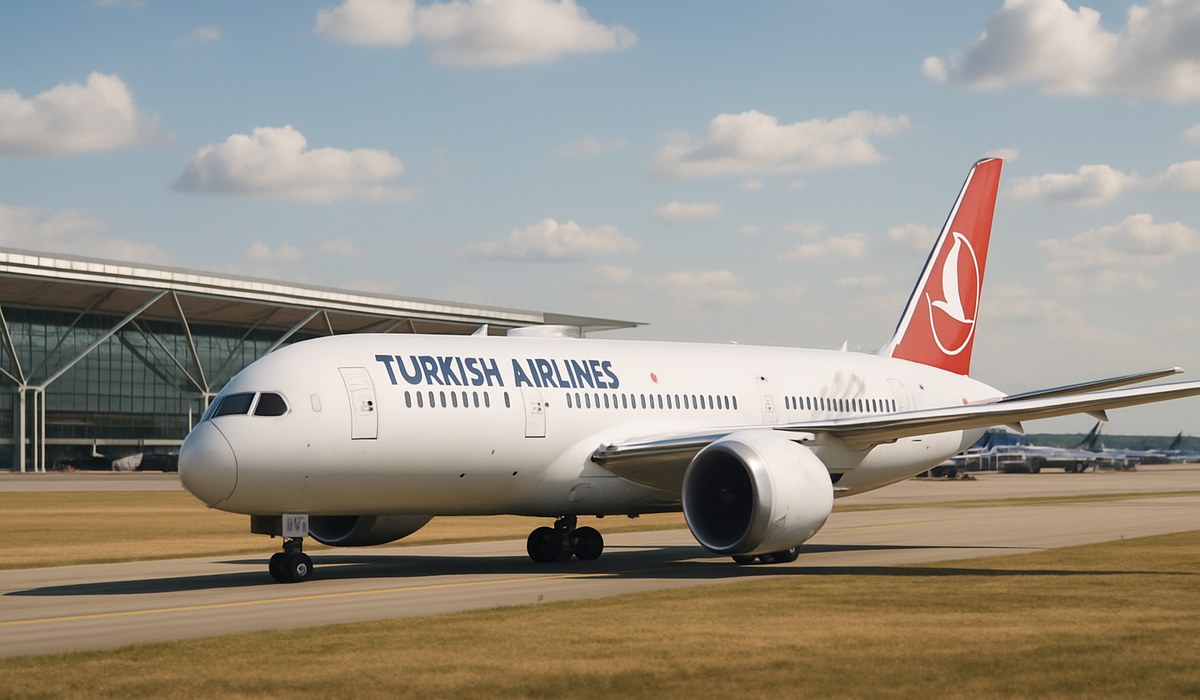
Image generated by AI
**> Quick Summary
• Turkish Airlines launches direct London Stansted-Istanbul route, immediately connecting UK travelers to 350+ onward destinations • The new service transforms Stansted into a strategic gateway for Asia, Africa, and Middle East travel markets • Fares expected to drop 15-30% on previously expensive multi-stop routes from London to emerging markets • Istanbul Airport's six-hour maximum connection time meets IATA's global connectivity standards for seamless transfers**
A single new flight route just unlocked access to more destinations than most travelers will visit in a lifetime—and it all starts from a London airport many overlook. Turkish Airlines' newly launched service between London Stansted and Istanbul Airport has quietly created one of the UK's most powerful travel hubs, offering British passengers immediate connections to over 350 cities across six continents. While legacy carriers continue shuttling passengers through congested Western European airports, this destinations route London Stansted passengers can now access is rewriting the economics of long-haul travel from Britain.
The inaugural flight departed Stansted on March 25, 2026, carrying 287 passengers—98% capacity on the Airbus A321neo aircraft. Turkish Airlines announced the route will operate daily, with potential for twice-daily frequency by summer 2026 depending on demand. But the real story isn't the Istanbul link itself. It's what happens after travelers land at one of the world's largest airport terminals.
The Hub That Changes the Map: Istanbul's Strategic Position
Istanbul Airport has systematically built itself into what aviation planners call a "superconnector"—a facility designed specifically to funnel passengers between continents with minimal friction. The airport completed its full-capacity Phase 3 expansion in January 2025, giving it the infrastructure to handle 200 million annual passengers. That's more than Heathrow, Schiphol, and Charles de Gaulle combined.
Geography explains much of Istanbul's appeal. The city sits at the literal crossroads of Europe and Asia, placing it within a four-hour flight radius of 1.5 billion people. Turkish Airlines has exploited this position aggressively, building a route network that prioritizes destinations Western European carriers largely ignore: secondary Chinese cities, Central Asian capitals, African business centers, and emerging Middle Eastern markets.
According to IATA's global connectivity standards, a hub achieves "optimal connectivity" when 80% of transfer passengers can complete their connection within six hours. Istanbul Airport averages 4.2 hours for most connections, with dedicated transfer security lanes and a layout specifically designed to minimize walking distances between gates serving intercontinental flights.
The Stansted service feeds directly into this machine. Morning departures from London arrive in Istanbul with connection windows perfectly timed for afternoon and evening departures to Asia, Africa, and the Gulf. Real-time flight tracking shows the average Stansted-Istanbul passenger has 37 viable same-day connections upon landing, compared to 12-15 connections typically available through traditional European hubs during similar time windows.
Turkish Airlines operates 350 aircraft across its mainline and subsidiary fleets—the youngest wide-body fleet among European carriers with an average age of 6.8 years. This matters for travelers concerned about comfort and reliability on long connections beyond Istanbul. The carrier has invested heavily in premium economy and business class products specifically targeting transfer passengers willing to pay modest upgrades for significantly better onward journeys.
350+ Destinations: Where UK Travelers Can Now Reach
The mathematics of hub connectivity can feel abstract until you examine specific routes that simply didn't exist before—or cost prohibitive amounts. UK travelers can now reach Almaty, Kazakhstan with one stop. Addis Ababa becomes a realistic weekend destination. Cape Town connections no longer require backtracking through the Gulf or marathon layovers in mainland Europe.
Turkish Airlines serves 130 countries, more than any other carrier globally. From Istanbul, passengers can connect to 54 African destinations—triple what British Airways offers from Heathrow. Asia sees 89 destinations in the Turkish network, including Tier 2 and Tier 3 Chinese cities that matter enormously for business travelers but receive minimal Western service.
The Middle East hospitality expansion currently transforming Dubai, Abu Dhabi, and Riyadh becomes far more accessible. UK travelers can now reach these markets with connection times under seven hours total—competitive with direct services but at significantly lower fares. Several luxury hotel groups have noted increased UK booking enquiries for properties in these regions since Turkish announced the Stansted route.
Central Asia represents perhaps the most dramatic change. Cities like Bishkek, Ashgabat, and Tashkent previously required two stops and 18+ hour journeys from London. The Stansted-Istanbul link cuts this to a single connection with total journey times around 10-12 hours. Tourism boards in these countries have already begun UK marketing campaigns timed to the new service launch.
Pakistan, Bangladesh, and Sri Lanka also benefit substantially. The Indian subcontinent receives dense Turkish Airlines service, and the Istanbul hub avoids the airspace restrictions that occasionally complicate direct UK-South Asia routing. For travelers with family connections in these regions, the new Stansted option offers flexibility previously unavailable outside Heathrow's limited direct services.
Even within Europe, the network provides unusual options. Turkish serves 51 European cities, including destinations in the Balkans and Eastern Europe where direct UK service has evaporated post-pandemic. Sarajevo, Pristina, and Tirana all become realistic short-break destinations for UK travelers willing to connect through Istanbul.
What This Means for Fares and Competition
Aviation pricing follows ruthless competitive logic: new capacity drives down fares, particularly when the new entrant operates with lower cost structures than incumbents. Turkish Airlines doesn't face the pension obligations, union agreements, and legacy infrastructure costs burdening British Airways and other European majors. This cost advantage flows directly to passenger pricing.
Early booking data shows London-Bangkok fares via Istanbul running 22-28% below comparable Heathrow direct services during off-peak periods. London-Johannesburg connections through Istanbul are pricing 18-25% under traditional European hub routings. These aren't temporary promotional fares—they reflect structural cost differences that should persist.
The airline revenue optimization strategies employed by Turkish Airlines differ fundamentally from legacy European thinking. Rather than maximizing yield per passenger, Turkish prioritizes load factor and total network revenue. The carrier is willing to accept lower per-seat income on trunk routes if it fills planes and generates connecting traffic that produces overall system profitability. This philosophy benefits price-sensitive leisure travelers enormously.
Premium cabin pricing also shows competitive pressure. Turkish's business class product between London and destinations beyond Istanbul often prices 30-40% below comparable British Airways Club World fares, while offering hard product features—lie-flat seats, direct aisle access—that match or exceed BA's current offering.
Low-cost carriers serving Stansted face mixed implications. On routes where they compete directly with Turkish (like Tel Aviv, Amman, or Istanbul itself), they'll face pressure. But Turkish's focus on long-haul connections largely occupies different market space than Ryanair or easyJet's short-haul networks. Some aviation analysts predict a "coexistence equilibrium" where each carrier type serves distinct passenger segments from the same airport infrastructure.
Stansted Airport itself benefits financially from the service through landing fees, passenger facility charges, and commercial revenue from transfer passengers using the terminal. The airport has invested £150 million in terminal upgrades specifically to handle increased long-haul connecting traffic, with improved baggage systems and expanded security infrastructure completed in February 2026.
Booking Strategy: Maximizing the London-Istanbul Connection
Smart travelers can extract additional value from this new network through strategic booking approaches. Turkish Airlines participates in the Star Alliance, meaning United MileagePlus, Air Canada Aeroplan, and Singapore KrisFlyer members can earn and redeem miles on these routes. Award availability on Turkish has historically been better than on European partners, particularly for premium cabins.
Stopover programs represent another opportunity. Turkish allows passengers to stopover in Istanbul for up to five days on international itineraries without additional airfare charges (airport taxes apply). This transforms a connection point into a legitimate two-destination trip—UK travelers can explore Istanbul for several days en route to Asia or Africa without paying for a separate ticket.
Families traveling together should investigate Turkish's children's fare policies, which often provide 25-33% discounts for travelers under 12, with lap infants traveling free on most routes. These discounts apply to the entire journey, including both the Stansted-Istanbul segment and onward connections, creating substantial savings for multi-child families that don't exist on most European carriers.
The evolving aviation safety regulations around lithium batteries and power banks apply uniformly across Turkish's network, so passengers connecting to destinations with stricter electronics policies won't face surprises at Istanbul security. The airline's website and mobile app provide destination-specific requirements during booking, reducing airport stress for first-time travelers to regions with unfamiliar rules.
Booking directly through Turkish Airlines rather than third-party aggregators provides better protection if irregular operations disrupt travel plans. The carrier offers guaranteed rebooking on the next available flight for passengers who miss connections due to inbound delays—a protection that doesn't always extend to tickets issued through online travel agencies.
Frequently Asked Questions
How long are typical connection times through Istanbul Airport? Minimum connection time is officially 90 minutes for international-to-international transfers. Most connections range from 2-5 hours, with the airport designed to minimize walking distances between gates. Turkish Airlines provides free lounge access for business class passengers and elite frequent flyers during connections exceeding three hours.
Do I need a transit visa for Turkey if I'm connecting through Istanbul? UK passport holders do not require a transit visa for connections under 24 hours where you remain in the international transit area. If you want to leave the airport and explore Istanbul during a long layover, you can obtain an e-Visa online for approximately £40, valid for 90 days.
How does baggage handling work on these connecting flights? Passengers booking the entire journey on a single Turkish Airlines ticket or on partner airlines have their baggage automatically transferred. The system tags bags to the final destination. You won't need to collect and recheck luggage in Istanbul unless you're on separate tickets, which is why booking the full itinerary together is strongly recommended.
What happens if my Stansted-Istanbul flight is delayed and I miss my connection? Turkish Airlines automatically rebooks passengers who miss connections due to inbound delays on the next available flight at no additional cost. If the delay requires an overnight stay, the airline provides hotel accommodation and meals. This protection applies only to tickets booked as a single itinerary, not separate bookings.
Are there hotels inside Istanbul Airport for very long layovers? Yes, the YOTEL Istanbul Airport operates airside with rooms bookable for 4-hour minimum periods. Rates start around £60 for four hours. Additionally, the airport features sleep pods, prayer rooms, children's play areas, and shower facilities. Turkish Airlines also operates extensive lounges with rest areas available to business class passengers and elite status holders.
Related Articles:
Disclaimer
This article is for informational and educational purposes only. It does not constitute legal, financial, or professional advice. While we strive to provide accurate and up-to-date information, travel policies, regulations, and conditions change rapidly. Always verify information with official sources before making travel decisions. Nomad Lawyer makes no representations about the accuracy, reliability, completeness, or suitability of the information provided. Readers should consult qualified professionals for advice specific to their circumstances. The views expressed in this article are those of the author and do not necessarily reflect the views of Nomad Lawyer.
Raushan Kumar
Founder & Lead Developer
Full-stack developer with 11+ years of experience and a passionate traveller. Raushan built Nomad Lawyer from the ground up with a vision to create the best travel and law experience on the web.
Learn more about our team →