
Lufthansa Returns Airbus A380 Superjumbo to Denver as European Carrier Restructures Transatlantic Operations
Breaking airline news and aviation industry updates for 2026.

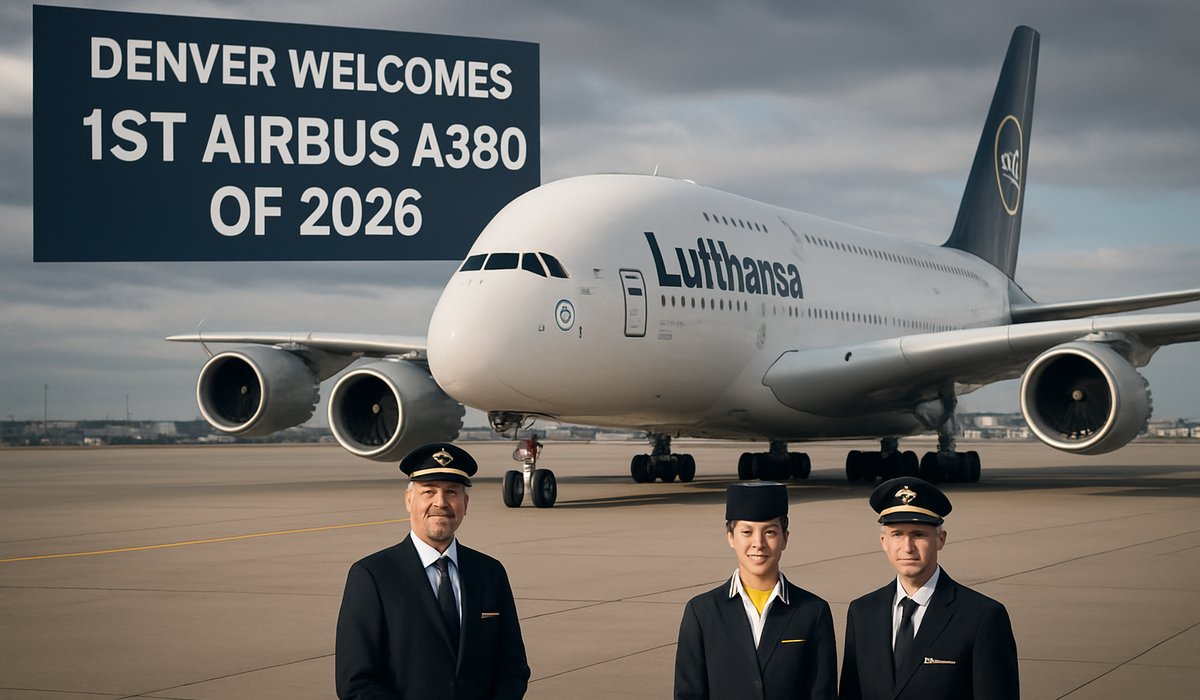
Image generated by AI
Lufthansa Returns Airbus A380 Superjumbo to Denver as European Carrier Restructures Transatlantic Operations
German airline deploys flagship aircraft to major US hub following significant capacity reductions and operational realignment
Historic Return Marks Strategic Shift in Transatlantic Aviation
Lufthansa has resumed Airbus A380 service to Denver International Airport this summer, marking a pivotal moment for the German carrier's long-haul strategy in North America. The double-deck superjumbo touched down at the Colorado hub for the 2026 season, establishing Denver as the sole US destination receiving the airline's flagship aircraft—a distinction that underscores the airline's selective approach to premium capacity deployment.
The development comes as Lufthansa executes a major operational restructuring that includes slashing nearly half of its flight frequencies across key markets. This apparent paradox—simultaneously cutting routes while deploying the world's largest passenger aircraft—reflects the aviation industry's broader trend toward capacity optimization and higher per-flight yields amid persistent fuel costs and evolving demand patterns.
Capacity Cuts Drive Selective Market Focus
The carrier's decision to concentrate A380 operations on the Denver route follows a 47% reduction in overall flight capacity, signaling a fundamental shift in how legacy European carriers are approaching transatlantic competition. This contraction mirrors industry-wide pressures stemming from elevated jet fuel prices, labor cost increases, and shifting passenger preferences toward direct long-haul connectivity.
Denver's selection as Lufthansa's exclusive A380 gateway reflects the airport's strategic importance as a connecting hub and its appeal to premium leisure travelers—demographics that justify deploying the 555-seat aircraft on profitable summer routes. The move also positions Lufthansa competitively against rival carriers that have similarly retreated from unprofitable regional services while concentrating capacity on high-demand intercontinental corridors.
Broader Industry Implications for Travelers and Fares
The restructuring carries significant implications for aviation consumers. Capacity reductions typically correlate with elevated airline fees, including baggage charges, seat selection fees, and premium cabin surcharges. Travelers booking transatlantic routes should anticipate compressed availability and potentially higher pricing on routes outside Lufthansa's core network.
Industry analysts note that while superjumbo deployments like the Denver service provide greater per-flight capacity, reduced overall frequencies mean fewer flight options for price-sensitive passengers. This dynamic has become characteristic of the post-pandemic aviation landscape, where carriers prioritize profitability over frequency.
The A380's return to Denver also highlights the evolving role of ultra-large aircraft in network planning. Despite early retirement speculation, the superjumbo remains viable on high-demand premium routes where load factors justify its operational costs.
FAQ: Lufthansa A380 Service and Transatlantic Travel
Why is Lufthansa reducing flights while deploying larger aircraft? Carriers optimize networks by cutting lower-margin routes while concentrating capacity on high-demand corridors. Larger aircraft generate higher revenue per flight, offsetting reduced frequencies.
How do airline capacity cuts affect baggage fees and travel costs? Reduced competition and limited seat availability typically result in increased airline fees across baggage, seat selection, and ancillary services. Passengers should expect higher overall ticket costs.
What impact do jet fuel prices have on airline route decisions? Elevated fuel costs pressure carriers to eliminate inefficient routes and concentrate capacity on long-haul, premium segments where yields offset operational expenses.
Will other US airports receive Lufthansa A380 service in 2026? Currently, Denver is the sole A380 destination in the US for Lufthansa's summer schedule, though this may evolve based on demand and fuel market conditions.
How does the A380 deployment affect travel options to Europe? While individual A380 flights offer greater capacity, the 47% reduction in overall frequencies may limit booking availability and increase prices on alternative services from competing carriers.
Related Travel Guides
-
Hundreds Travellers Stranded as Europe Faces 1,872 Flight Delays Across Major Hubs
-
Cathay Pacific Global Leader: 2026 AirlineRatings Awards Recognition
External Resources
Disclaimer
This article is for informational and educational purposes only. It does not constitute legal, financial, or professional advice. While we strive to provide accurate and up-to-date information, travel policies, regulations, and conditions change rapidly. Always verify information with official sources before making travel decisions. Nomad Lawyer makes no representations about the accuracy, reliability, completeness, or suitability of the information provided. Readers should consult qualified professionals for advice specific to their circumstances. The views expressed in this article are those of the author and do not necessarily reflect the views of Nomad Lawyer.
Raushan Kumar
Founder & Lead Developer
Full-stack developer with 11+ years of experience and a passionate traveller. Raushan built Nomad Lawyer from the ground up with a vision to create the best travel and law experience on the web.
Learn more about our team →