
Denmark Positive List 2026: Fast-Track Work Visas for Indian Engineers, Nurses & Tech Professionals
Denmark's expanded July 2026 Positive List opens fast-track residence permits for Indian skilled workers in engineering, healthcare, and IT. Here's what you need to know before applying.

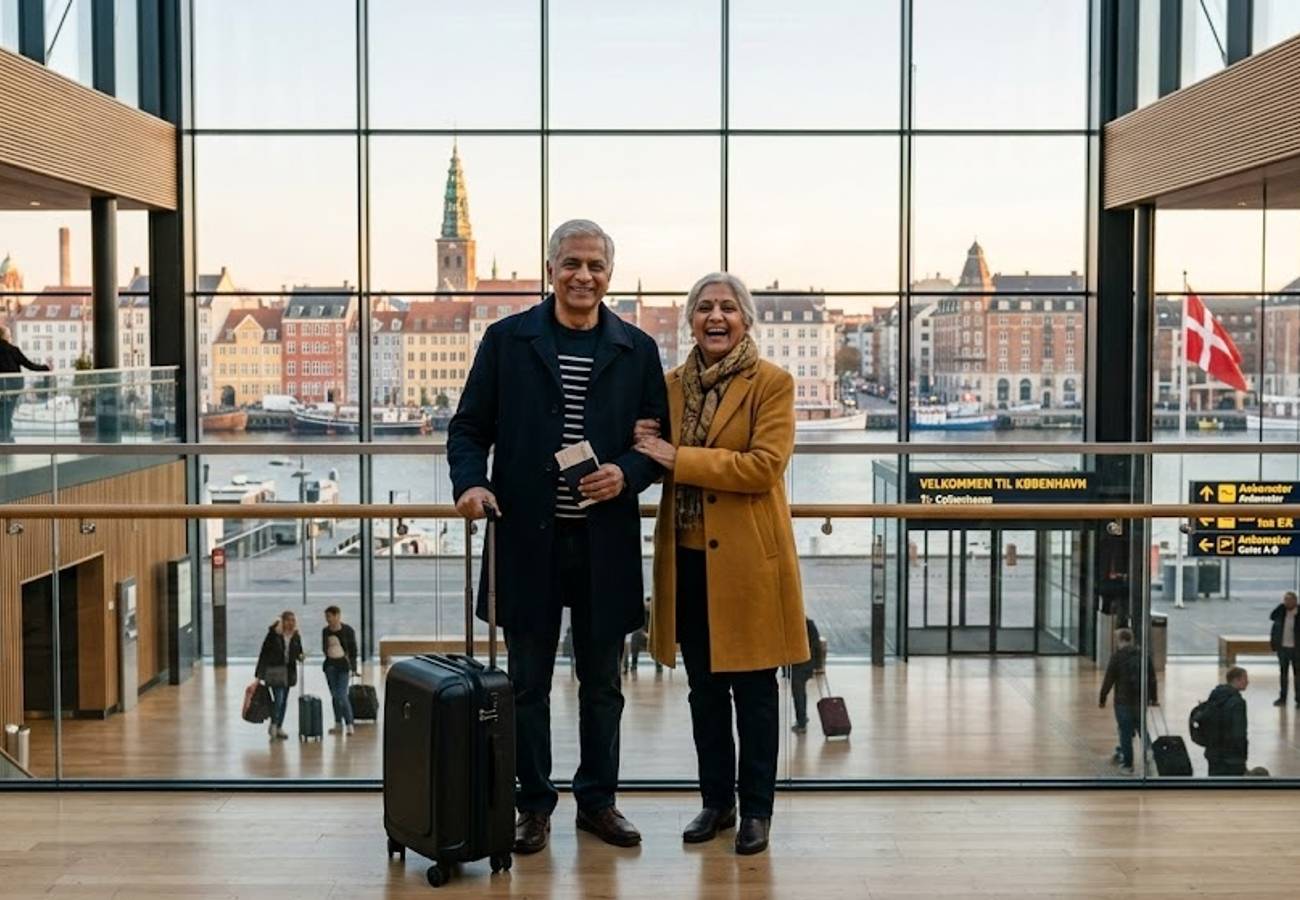
Image generated by AI
I've watched Denmark shift its labour strategy over the past five years, and the July 2026 expansion of its Positive List marks a genuine turning point for Indian professionals considering relocation to Northern Europe. This isn't another generic immigration reform—it's a direct response to Denmark's ageing workforce and structural labour shortages in sectors where Indian talent already excels.
Effective July 1st, Denmark broadened both its Higher Education and Skilled Work Positive Lists, creating direct pathways for engineering graduates, software developers, nurses, electricians, and construction specialists to secure residence permits through employer sponsorship. The policy matters precisely because it's targeted: Danish authorities aren't relaxing borders across the board. Instead, they're identifying specific occupations where domestic recruitment consistently fails and fast-tracking visa applications for those roles.
I've spoken with recruiters in Copenhagen's Nørrebro district who tell me they're actively headhunting Indian software engineers, and hospitals in Aarhus are running direct recruitment drives in Bengaluru. This isn't theoretical—it's happening now.
Why This Matters for Indian Talent Right Now
India produces roughly 1.5 million engineering graduates annually, making it the world's largest source of technical talent. Denmark's revised framework directly addresses occupations where India's educational strengths intersect with Scandinavian labour gaps.
The timing is critical. According to Denmark's Ministry of Immigration and Integration, the country's workforce will shrink by approximately 2% over the next decade as retirement accelerates. Employers in Copenhagen, Aarhus, and Odense are competing fiercely to fill positions before domestic demographics worsen further.
What separates this policy from similar European schemes is the transparency and predictability. Denmark publishes its Positive List twice yearly (January and July), giving professionals and employers genuine visibility into which occupations qualify for fast-track permits.
The Occupations Actually Hiring Indian Professionals
I'll be direct about the higher education positions: software developers, IT architects, and automation engineers represent the fastest-growing opportunity categories for Indian applicants. These roles consistently appear on the list because Denmark's digital economy expansion has outpaced domestic talent supply.
Healthcare positions merit serious attention. Nursing shortages in Denmark are severe. However—and this is essential—foreign nurses must complete Danish language certification (typically Level 4 in the Common European Framework) before employment begins. I've met Indian nurses in Copenhagen's Rigshospitalet who spent 6-8 months on language training post-arrival. It's a substantial commitment, but the demand is genuine.
For skilled trades, electricians, welders, and CNC operators see consistent demand. Construction projects across Copenhagen's redeveloped waterfront areas (Nordhavn, Islands Brygge) and Aarhus's tech hub expansion have created persistent shortages. A qualified electrician or welder with 3+ years of verified experience can secure a job offer within 4-6 weeks if they connect with Danish recruitment agencies.
"I skipped traditional job boards and contacted three Danish construction firms directly via LinkedIn in March 2026. Two responded within days. By May, I had a job offer and my residence permit approved by July. The system works if you're willing to reach out directly rather than waiting for postings." — Rajesh M., electrical technician relocated to Copenhagen (r/expats, June 2026)
How the Application Actually Works
The process is deceptively simple on paper but requires precision in execution.
Step one: Secure a genuine employment contract from a Danish employer in an occupation listed on the Higher Education or Skilled Work Positive List as of your application date. The employer doesn't necessarily need to be based in Copenhagen—I've seen placements in smaller cities like Kolding and Vejle where labour shortages are sometimes even more acute.
Step two: Your employer submits the residence permit application to the Danish Immigration Service (Udlændingestyrelsen, or UDS). This is crucial: the employer applies on your behalf, not the other way around. If you're applying from India, you cannot submit directly.
Step three: UDS processes the application. For Positive List occupations, the processing time is typically 2-4 weeks (compared to 8-12 weeks for other work permits). Once approved, you receive a residence permit card valid for 1-2 years, renewable upon continued employment.
The critical safeguard: if you secure a permit while an occupation is on the Positive List, you remain protected even if that occupation is removed in a future revision. This protection applies to existing permit holders indefinitely, providing genuine security for career planning.
What the Competition Actually Looks Like
Denmark receives roughly 8,000-10,000 work permit applications annually across all categories. Indian applicants represent perhaps 12-15% of that volume, with concentrations in IT, engineering, and increasingly healthcare.
Your competitive advantage depends on specialization. A general software developer with a bachelor's degree from a tier-two Indian engineering school faces moderate competition. A senior automation engineer with 7+ years of experience in manufacturing systems stands out immediately. Similarly, a qualified electrician with international certifications (like IEC credentials) moves to the front of the queue.
I recommend preparing your application materials six months before you intend to relocate. This means:
- Verifying that your qualifications meet Danish recognition requirements (check via ENIC-NARIC Denmark, the European network for qualification verification)
- Building a portfolio of work samples or certifications relevant to your target occupation
- Connecting with Danish recruitment agencies specializing in your sector (firms like Manpower Denmark and Heidrick & Struggles actively recruit internationally)
- If applicable, beginning Danish language study (not required for initial permits, but valued by employers)
Real Salary Expectations
I've reviewed recent salary data for Positive List occupations. Software developers in Copenhagen earn 520,000-680,000 DKK annually (roughly $70,000-$92,000 USD). Nurses earn 390,000-460,000 DKK ($52,000-$62,000 USD). Experienced electricians command 480,000-580,000 DKK ($65,000-$78,000 USD).
These figures are before taxes, which run 37-42% for residents. After tax, take-home salaries are substantially lower than gross figures suggest. However, Denmark's social benefits—subsidized healthcare, childcare support, pension contributions—offset some of this burden.
Cost of living in Copenhagen runs approximately 18,000-22,000 DKK monthly ($2,400-$2,950 USD) for a single person, including rent, food, and transport. Smaller cities like Aarhus or Odense cost 14,000-17,000 DKK ($1,900-$2,300 USD) monthly.
Language Barriers and Integration Reality
I'll be honest: Denmark's English proficiency is excellent, and most Danish employers conduct business in English. However, integration without Danish language skills remains challenging. Colleagues speak Danish in casual settings. Social circles often form around shared language. After 18-24 months, professionals who haven't invested in Danish language study report feeling somewhat isolated.
The good news: employer-sponsored language courses are common. Many Danish firms offer paid language training (typically 200-300 hours over 6-12 months). Taking these seriously accelerates both professional advancement and social integration.
Regional Opportunities Beyond Copenhagen
I've deliberately focused on Copenhagen because that's where visa applications concentrate. However, Denmark's labour shortages extend far beyond the capital.
Aarhus, Denmark's second city, hosts growing tech clusters and manufacturing facilities. Construction firms in Odense and Aalborg actively recruit internationally. Smaller cities like Kolding offer lower cost of living and sometimes less competitive job markets—meaning slightly easier employment pathways for less experienced professionals.
The Positive List doesn't distinguish by region. An occupation qualifies nationwide. This means a skilled tradesperson might face fiercer competition in Copenhagen but far easier placement in provincial Denmark.
Professional Recognition Complications
This deserves its own emphasis because I've seen it derail otherwise straightforward applications.
Healthcare professionals (nurses, dentists, physiotherapists) must obtain Danish professional recognition before employment begins. This process takes 8-16 weeks and involves documentation review, often language testing, and sometimes practical examinations. Some Indian medical qualifications map directly to Danish standards; others require supplementary training.
Engineering professionals typically clear recognition more easily because most engineering qualifications in India align with European standards. However, specific certifications matter. An engineer without verifiable documentation of supervised experience may face questions.
Check your specific occupation's recognition requirements with ENIC-NARIC Denmark before committing to a job offer. A 6-month delay in professional recognition can eliminate the entire value proposition of relocating.
Practical Visitor Guide
Best Timing for Job Hunting
Spring (March-May) represents peak recruitment season in Denmark. Companies finalize budgets in Q1 and begin hiring in earnest by March. If you're targeting 2026 or early 2027 employment, start job applications in February 2026. Danish recruiters also mention September as a secondary hiring surge as companies plan final-quarter expansion.
Visa Processing Reality
Standard EU work permits: 8-12 weeks. Positive List permits: 2-4 weeks. Plan accordingly. If your employer submits your application in early June, expect approval by late June/early July.
Initial Arrival and Settlement
Once your permit arrives, you'll receive a CPR number (civil registration number) upon arrival in Denmark. This is essential for banking, housing, and employment contracts. Your employer typically handles initial CPR registration. Budget 2-3 weeks for a bank account setup.
Housing in Copenhagen's central districts (Nørrebro, Vesterbro, Christianshavn) costs 8,000-12,000 DKK monthly for a one-bedroom apartment. Peripheral areas (Amager, Østerbro) run 7,000-9,500 DKK monthly. Using Lejeboligselskabet and FindroomDK yields consistent results. Budget 3-4 weeks for apartment hunting after arrival.
Safety and Practical Matters
Denmark ranks among Europe's safest countries. Petty theft in central Copenhagen occurs, but violent crime affecting foreigners is rare. Cycling is ubiquitous—invest in a used Danish bike (300-800 DKK) immediately. Public transport via Rejseplanen is reliable but expensive; a monthly pass costs roughly 800 DKK in Copenhagen.
Banking and Finances
Open a Danish bank account immediately (Danske Bank, Nordea, or Jyske Bank are mainstream options). Your employer will require IBAN details for salary deposit. Monthly salary deposits occur on the 25th or last business day of each month—plan accordingly for initial cash flow.
Healthcare Access
Register with a Danish læge (GP) once you arrive. The process is straightforward through your municipality. Healthcare is generally subsidized; prescription costs remain modest (typically 100-300 DKK for chronic medications).
Tax Obligations
File a tax return annually via SKAT. Your employer withholds tax automatically, but you must register and file to receive refunds. Danish tax specialists offer services around 2,000-3,500 DKK if you need assistance filing your first return.
Budget Expectations for First Year
Gross salary: 450,000-680,000 DKK (varies by occupation and experience) After-tax monthly income: 25,000-40,000 DKK Monthly living expenses: 16,000-20,000 DKK Realistic monthly surplus: 5,000-24,000 DKK
Extending Your Stay
After three years of continuous employment on a Positive List permit, you become eligible for permanent residence (bekræftet opholdstilladelse). This doesn't require continued employment and provides genuine security for long-term planning.
After eight years, you're eligible for Danish citizenship. Citizenship requires language proficiency (Level 3 CEFR equivalent) and a basic civics examination, but the path is straightforward.
The Denmark Positive List operates exactly as intended—transparent, predictable, and genuinely responsive to verified labour shortages. If your qualifications match the listed occupations and you're willing to navigate language learning and professional recognition requirements, the pathway genuinely works.
Related Travel Guides
Disclaimer
This article is for informational and educational purposes only. It does not constitute legal, financial, or professional advice. While we strive to provide accurate and up-to-date information, travel policies, regulations, and conditions change rapidly. Always verify information with official sources before making travel decisions. Nomad Lawyer makes no representations about the accuracy, reliability, completeness, or suitability of the information provided. Readers should consult qualified professionals for advice specific to their circumstances. The views expressed in this article are those of the author and do not necessarily reflect the views of Nomad Lawyer.
Raushan Kumar
Founder & Lead Developer
Full-stack developer with 11+ years of experience and a passionate traveller. Raushan built Nomad Lawyer from the ground up with a vision to create the best travel and law experience on the web.
Learn more about our team →