
Delta Air Lines Cuts Complimentary Food Beverages Short-Haul Flights Fuel Crisis 2026
Delta Air Lines eliminates free snacks and beverages on 500+ daily domestic flights under 350 miles starting May 19 amid Iran-driven jet fuel price surge affecting US travel sector.

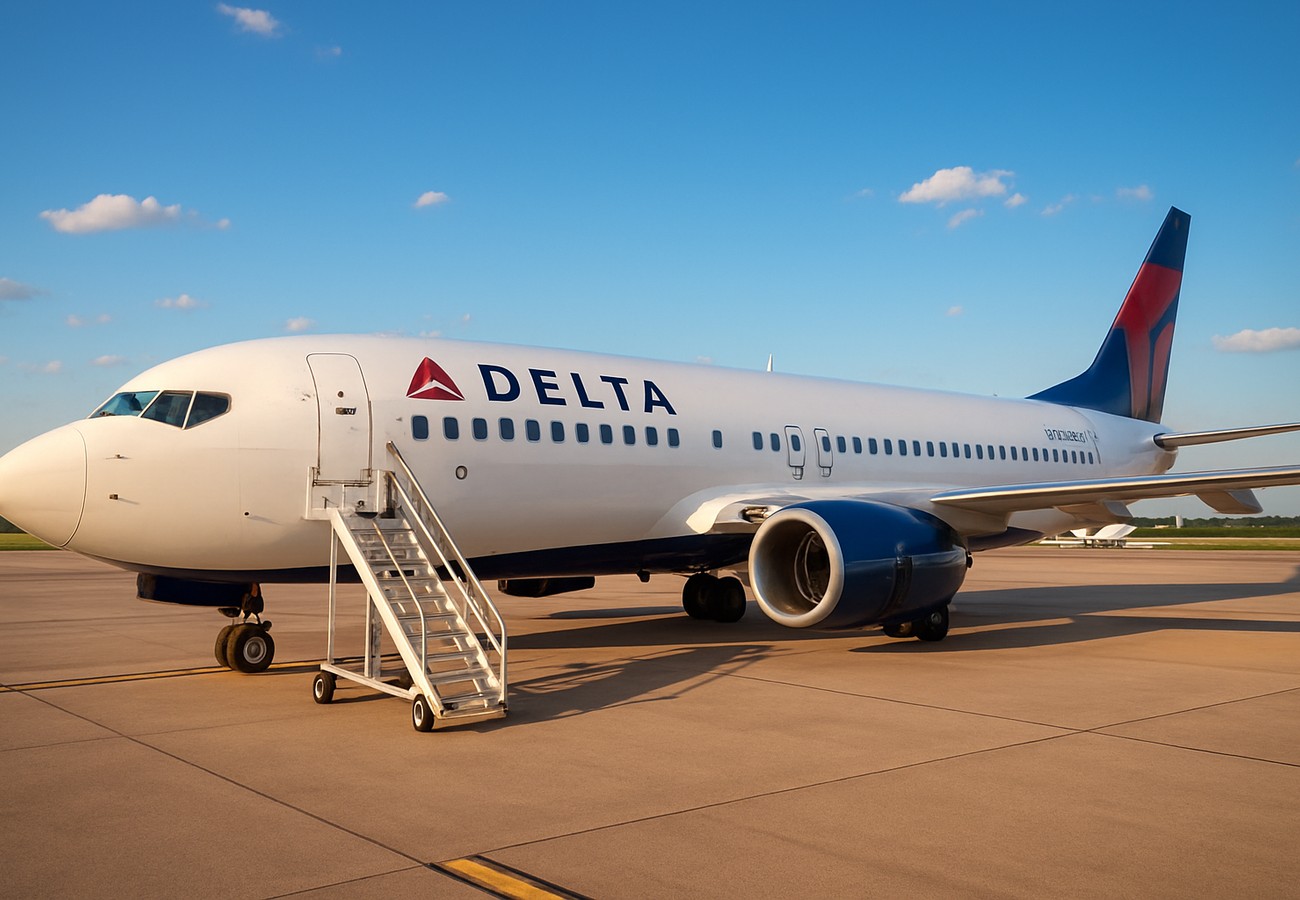
Image generated by AI
Delta Air Lines Eliminates Complimentary Food and Beverages on 500+ Daily Domestic Flights Under 350 Miles Amid Iran-Driven Jet Fuel Price Surge Reshaping US Travel Sector
Geopolitical Crisis Triggers Sweeping Service Reductions Across American Aviation
The escalating geopolitical tensions between the United States and Iran are now directly reshaping the passenger experience across American aviation, with Delta Air Lines announcing sweeping reductions to complimentary inflight refreshments on hundreds of domestic routes. Beginning May 19, 2026, travelers flying short-haul services under 350 miles across the United States will no longer receive free beverages or snacks—a pivotal decision that reflects mounting pressure from surging jet fuel prices and escalating operational costs threatening airline profitability margins.
This announcement arrives at a critical juncture for the global travel industry. Airlines worldwide are already reducing capacity, revising fare structures, increasing baggage fees, and cutting non-essential onboard amenities to protect margins as fuel markets remain volatile. For business travelers, weekend tourists, and regional flyers navigating major US aviation corridors, the changes signal a fundamental transformation in how the aviation sector manages short-distance travel economics during periods of geopolitical instability.
Delta's Historic Service Restructuring Impacts 500+ Daily Flights Across Domestic Network
Atlanta-based Delta Air Lines confirmed that complimentary snack and beverage services will be eliminated from flights operating sectors shorter than 350 miles, affecting approximately 500 daily flights across its expansive domestic network. The carrier currently operates nearly 5,500 flights every day, making this adjustment one of the largest recent onboard service revisions by any major US airline in recent memory.
The service elimination primarily affects regional and short-haul routes frequently utilized by corporate travelers, domestic tourists, and connecting passengers flowing through major aviation hubs including Atlanta, Detroit, Minneapolis, Salt Lake City, and New York. These routes represent the backbone of Delta's domestic operations, carrying millions of passengers annually on critical business and leisure corridors.
Critically, passengers flying in premium cabin categories, including Delta First Class, will continue receiving full complimentary onboard service. Meanwhile, flights exceeding the 350-mile threshold will retain beverage and snack offerings, with some routes reportedly receiving upgraded snack selections as part of the airline's revised strategic service deployment.
This restructuring underscores a growing operational divide within modern airline business models, where carriers are increasingly prioritizing profitability on short-distance routes while strategically preserving premium amenities for higher-yield customers paying premium fares.
Jet Fuel Prices Reach Critical Levels as Iran Tensions Destabilize Global Energy Markets
The latest service adjustments arrive as the aviation industry confronts one of its most challenging fuel environments in years. Following heightened military tensions involving the United States and Iran, global energy markets have experienced severe instability, causing jet fuel prices to climb sharply since conflict intensified earlier in 2026.
According to aviation market analysts and real-time energy tracking data, fuel costs remain among the largest operational expenses for airlines, typically representing between 25% and 35% of total airline operating expenditure. Even modest increases in oil prices can rapidly disrupt profitability, particularly for carriers operating extensive domestic networks featuring high-frequency short-haul services with traditionally slimmer per-flight margins.
The operational pressure is now visibly spreading across multiple airline business models throughout the United States. Unlike many European competitors that aggressively employ fuel hedging strategies to lock in prices, many American airlines purchase jet fuel at prevailing market rates, leaving them significantly more exposed to sudden geopolitical shocks and unpredictable price volatility.
Although Delta owns the Trainer Refinery in Pennsylvania through Monroe Energy—a strategic investment made in 2012 to stabilize fuel supply costs—the airline is actively pursuing additional cost-control measures to effectively navigate the current high-pressure environment and preserve operational viability.
Regional Travelers and Domestic Tourism Face Subtle Yet Meaningful Service Changes
For passengers, the complimentary service elimination may appear relatively modest on the surface, but it represents a fundamental shift in airline economics that could subtly influence domestic tourism patterns during the busy summer travel season ahead.
Short-haul leisure travelers increasingly depend on regional air services for quick city breaks, sporting event attendance, family visits, and business conferences. Removing complimentary onboard refreshments could fundamentally alter passenger expectations, particularly among budget-conscious travelers already navigating higher airfare levels and proliferating ancillary fees across the aviation sector.
Travel advisors indicate that passengers booking short domestic flights may now need to deliberately prepare differently before departure by purchasing refreshments inside airport terminals or carrying their own snacks onboard. Regional airports with limited food retail options or shorter connection windows may become increasingly challenging for travelers managing tight itineraries.
Industry observers further suggest that reduced onboard services may significantly accelerate the growing trend toward "ultra-efficient flying," where airlines systematically strip away traditional comfort amenities to preserve operational margins while strategically maintaining competitive headline ticket prices.
Rising Baggage Fees and Ancillary Charges Create Compounding Cost Pressures for Travelers
Delta's inflight service reductions follow earlier baggage fee increases introduced in April 2026. Under the revised pricing structure, passengers now face significantly higher charges for checked luggage, with first and second bag fees rising by $10 each and third-bag fees increasing sharply.
These changes reflect a broader revenue optimization strategy spreading rapidly across the aviation industry globally. Airlines worldwide are increasingly dependent on ancillary revenue streams including baggage fees, seat selection charges, priority boarding, and onboard food and beverage purchases to offset dramatically elevated operational expenses and volatile fuel markets.
The global airline industry has already removed millions of seats from operating schedules throughout 2026 amid escalating fuel prices and persistent uncertainty in international energy markets. Aviation analytics firms indicate that airlines are cautiously monitoring aggregate demand while simultaneously attempting to avoid severe financial exposure to extended periods of elevated fuel costs.
Budget carriers have proven especially vulnerable during prolonged fuel price surges. The recent collapse of Spirit Airlines intensified concerns regarding the long-term sustainability of ultra-low-cost airline business models during extended periods of elevated jet fuel prices.
Strategic Guidance for Passengers Flying Domestic Short-Haul Routes This Summer
As airlines continue aggressively adjusting service models in response to fuel market dynamics, travel experts strongly recommend that passengers flying short domestic sectors pay considerably closer attention to fare conditions and specific onboard service inclusions before finalizing ticket purchases.
Travelers may increasingly encounter substantially varying service standards depending on critical factors including flight distance, aircraft type, and ticket category purchased. On regional routes, basic amenities that were once considered standard across the industry could disappear entirely in coming months, creating an unpredictable passenger experience landscape.
Travel planners flying within the United States during summer 2026 are being strategically advised to:
Plan Airport Refreshment Purchases in Advance Travelers on shorter routes should strongly consider purchasing snacks and beverages before boarding at airport terminals, particularly at smaller regional airports where complimentary inflight services may now be entirely absent or limited.
Maximize Loyalty Program Benefits and Tier Status Frequent flyers may discover substantially greater value in maintaining airline loyalty program tiers or strategically pursuing premium cabin upgrades, as carriers deliberately preserve complimentary services exclusively for higher-tier passengers and premium cabin travelers.
Evaluate Flight Distance When Comparing Routes Travelers booking domestic trips should begin methodically comparing route distances, since onboard service standards are now directly correlated to specific flight mileage thresholds established by individual carriers.
Budget for Ancillary Services in Travel Planning Passengers should explicitly include anticipated baggage fees, seat selection charges, and onboard purchase costs when calculating total trip expenses, as bundled amenities once included in baseline fares are now separated into individual ancillary revenue streams.
Competitive Pressures Intensify as Major US Airlines Implement Parallel Service Reductions
Delta's service elimination decision also highlights the intensifying competitive pressures among major US airlines competing for market share. Carriers are simultaneously balancing the urgent need to protect profitability while deliberately avoiding customer dissatisfaction during one of the busiest travel periods annually.
United Airlines already limits snack and beverage offerings on numerous flights under 300 miles, while American Airlines has historically reduced inflight food and drink availability on shorter routes below certain specific mileage thresholds. This growing industry convergence strongly suggests that the traditional full-service domestic airline model that characterized American aviation for decades may be gradually evolving toward a more segmented, fee-driven operational structure.
Simultaneously, airlines remain strategically cautious about pushing passengers too aggressively toward service reductions. Consumer sentiment, online reviews, and traveler loyalty remain critically important in an increasingly competitive aviation marketplace where passengers can rapidly shift preferences toward alternative carriers offering superior service experiences at comparable price points.
The Aviation Industry Enters a New Era of Disciplined Cost Management and Service Segmentation
The broader strategic implications extending far beyond complimentary snacks and beverages are substantial. Analytics experts believe the current fuel crisis could fundamentally reshape airline operations well into 2027 if geopolitical instability continues destabilizing major energy-producing regions and global petroleum supply chains.
Airlines are actively reassessing fleet utilization patterns, analyzing route profitability models, and reconsidering onboard staffing structures. Additional reductions in complimentary services, further baggage fee increases, and tighter capacity management could emerge across both domestic and international aviation sectors throughout the remainder of 2026 and into 2027.
For the global travel and tourism industry, these latest developments serve as a critical reminder that geopolitical events far beyond airport terminals can rapidly influence passenger experiences, ticket pricing structures, and fundamental airline operational strategies worldwide. As summer travel demand accelerates substantially across the United States, the aviation sector now confronts the perpetual balancing challenge of preserving profitability while maintaining traveler confidence in an increasingly unpredictable geopolitical and economic landscape.
Key Takeaways for Travelers and Industry Observers
- Delta Air Lines eliminates complimentary beverages and snacks on approximately 500 daily domestic flights under 350 miles beginning May 19, 2026
- Jet fuel price surges driven by US-Iran geopolitical tensions directly triggered the service reduction decision
- Premium cabin passengers retain full complimentary onboard service; flights exceeding 350 miles maintain beverage and snack offerings
- Recent baggage fee increases compound inflight service elimination, creating multiple ancillary cost pressures for travelers
- Competitors including United Airlines and American Airlines have implemented parallel service reductions on short-haul routes
- Airlines increasingly depend on ancillary revenue streams to offset elevated operational expenses
- Travelers should budget for additional costs and plan airport refreshment purchases in advance
- The traditional full-service domestic airline model is gradually evolving toward segmented, fee-based structures
Related Travel Guides
Disclaimer
This article is for informational and educational purposes only. It does not constitute legal, financial, or professional advice. While we strive to provide accurate and up-to-date information, travel policies, regulations, and conditions change rapidly. Always verify information with official sources before making travel decisions. Nomad Lawyer makes no representations about the accuracy, reliability, completeness, or suitability of the information provided. Readers should consult qualified professionals for advice specific to their circumstances. The views expressed in this article are those of the author and do not necessarily reflect the views of Nomad Lawyer.
Kunal K Choudhary
Co-Founder & Contributor
A passionate traveller and tech enthusiast. Kunal contributes to the vision and growth of Nomad Lawyer, bringing fresh perspectives and driving the community forward.
Learn more about our team →