
Delta Flight Emergency Diversion to Porto: Cabin Smoke Protocols, EU261 Rights, and Hospitalization Claims

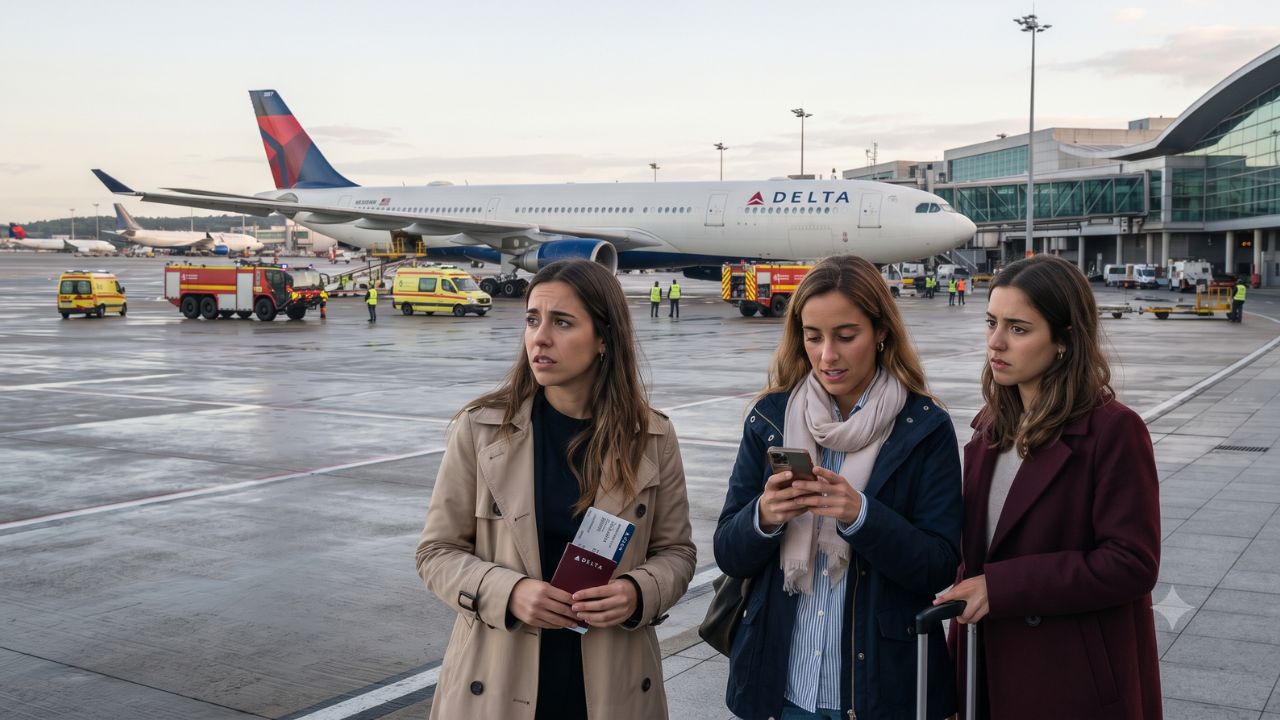
When a Delta Air Lines Airbus A330-300 carrying 283 passengers and 13 crew members diverted into Porto, Portugal due to in-flight cabin smoke, four passengers required immediate hospital admission for smoke inhalation treatment—triggering complex legal protections under European Union aviation laws. Because the transoceanic flight originated at Barcelona–El Prat Airport in Spain en route to Boston Logan International Airport, every traveler on board is protected by stringent EU consumer regulations, regardless of their nationality or the US carrier's corporate domicile.
Emergency Protocols: Why Pilots Divert Before Ocean Crossings
Aviation safety regulations mandate immediate descent and landing at the nearest suitable airfield whenever uncontained smoke or electrical fumes appear in the cabin. The flight crew aborted their North Atlantic track, touching down safely at Francisco Sá Carneiro Airport (OPO) in Porto:
- Aircraft Details: Airbus A330-300 twin-aisle widebody aircraft.
- Onboard Manifest: 283 passengers and 13 operating crew members (296 total occupants).
- Medical Response: Ground medical emergency teams evaluated 14 passengers immediately upon landing on the tarmac, with 4 individuals transported to regional Porto hospitals for smoke exposure evaluation.
- Operational Cause: Delta confirmed the precautionary landing followed a mechanical issue involving the environmental control and cabin ventilation system.
What Makes EU261 and Montreal Convention Rights Different
Passengers on transatlantic flights departing European airports benefit from dual layers of legal protection established by the European Commission and the International Civil Aviation Organization:
| Legal Framework | Regulatory Scope | Mandatory Airline Obligations | Passenger Claim Eligibility |
|---|---|---|---|
| EU Regulation 261/2004 | All flights departing EU airports | Duty of care: hotel rooms, meals, ground transfers & rerouting | €600 cash compensation if mechanical failure is non-extraordinary |
| Montreal Convention (1999) | International passenger treaties | Strict carrier liability for bodily injury & medical expenses | Hospital bills, medical transit, and damaged luggage claims |
| US DOT Regulations | US-bound international flights | Transparent rebooking and prompt baggage delivery | Enforced via US Department of Transportation |
While airlines often cite "extraordinary circumstances" for emergency safety diversions to challenge the standard €600 statutory delay compensation, the European Court of Justice has repeatedly ruled that routine technical defects do not exempt carriers from their non-negotiable Duty of Care obligations.
Visitor Insider Tips: What to Do After an In-Flight Emergency Diversion
- Demand Written Incident Reports at the Airport: Before departing the international transit lounge in Porto, request a signed statement or formal delay confirmation letter from Delta ground handling agents stating the mechanical cause and exact arrival timestamp.
- Preserve All Medical Discharge Paperwork: If evaluated by airport paramedics or treated at a Portuguese hospital, retain certified copies of all diagnostic notes, prescription receipts, and physician reports for insurance and carrier liability claims.
- Keep Itemized Hotel and Meal Receipts: When airlines fail to issue immediate hotel vouchers during overnight ground delays, travelers can book reasonable local accommodation and file for full reimbursement with itemized receipts (alcohol excluded).
- Hold Your Original Boarding Passes: Never discard physical or digital boarding passes from the original flight leg; claims adjusters require ticket numbers to process EU261 and insurance claims.
Cultural and Environmental Context: Aviation Safety and Passenger Well-Being
Modern twin-engine aircraft are built with multi-redundant fire suppression, filtration, and air recirculation units designed to isolate electrical faults. However, the psychological stress of emergency descents and smoke exposure requires swift institutional accountability from commercial carriers.
Ensuring that international airlines promptly cover medical evaluations and provide dignified hotel accommodations preserves passenger trust and reinforces global standards of passenger care across transatlantic airspace.
FAQ: Traveling During Flight Diversions 2026
Does EU261 apply to US airlines flying out of Europe?
Yes; EU Regulation 261/2004 protects all passengers departing from any European Union airport, regardless of whether the operating airline is American, European, or Asian.
Can passengers claim medical expenses after cabin smoke exposure?
Yes; under the Montreal Convention of 1999, commercial airlines maintain strict liability for bodily injury, diagnostic treatment, and hospitalization resulting from in-flight accidents.
What should travelers do if the airline does not provide a hotel?
Book a reasonable standard hotel room nearby, keep the itemized payment receipt, and submit a formal reimbursement request directly to the airline customer care desk.
Are passengers entitled to cash compensation for safety diversions?
Duty of care (food and hotel) is always mandatory. Statutory cash compensation (€600) depends on whether the smoke was caused by an inherent mechanical defect or an external unavoidable event.
Safety in the skies relies on rigorous pilot protocols, but passenger peace of mind on the ground requires knowing your legal rights before you board.
Related Travel Guides
Disclaimer
This article is for informational and educational purposes only. It does not constitute legal, financial, or professional advice. While we strive to provide accurate and up-to-date information, travel policies, regulations, and conditions change rapidly. Always verify information with official sources before making travel decisions. Nomad Lawyer makes no representations about the accuracy, reliability, completeness, or suitability of the information provided. Readers should consult qualified professionals for advice specific to their circumstances. The views expressed in this article are those of the author and do not necessarily reflect the views of Nomad Lawyer.
Preeti Gunjan
Contributor & Community Manager
A passionate traveller and community builder. Preeti helps grow the Nomad Lawyer community, fostering engagement and bringing the reader experience to life.
Learn more about our team →