
Delta A330 Airport Engine Fire Forces Emergency Landing at São Paulo
Delta Air Lines A330 suffers catastrophic engine fire after takeoff from São Paulo in 2026, forcing emergency return. Debris ignites brush fire on airport grounds; all 287 passengers evacuated safely.

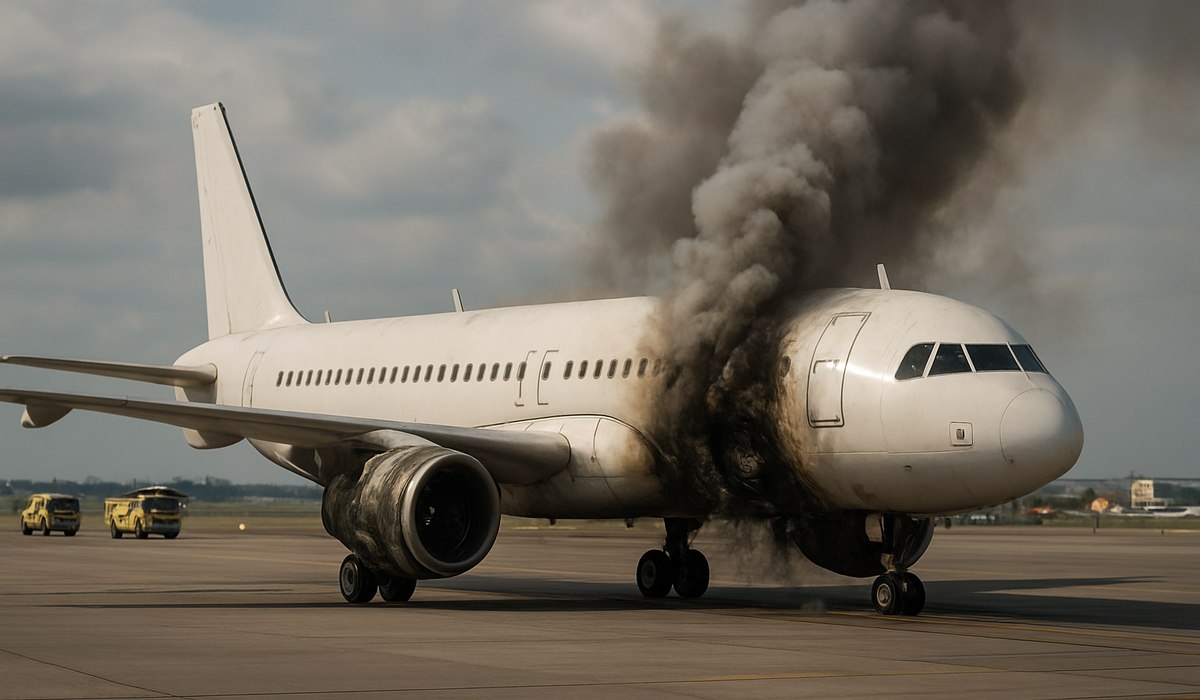
Image generated by AI
Emergency Situation at São Paulo: Delta A330 Engine Fire Forces Immediate Return
Delta Air Lines flight DL104 experienced a catastrophic engine fire and mechanical failure shortly after departing São Paulo/Guarulhos Governor André Franco Montoro International Airport (GRU) on March 29, 2026. The Airbus A330-300 aircraft, bound for Atlanta (ATL), was forced into an emergency landing at its departure point after pilots detected the engine malfunction and subsequent fire warning. All 287 passengers and crew members were safely evacuated from the aircraft following the incident.
The emergency return occurred approximately 15 minutes after the aircraft had lifted off from the runway. Ground personnel responded immediately to contain the situation. Notably, burning debris from the stricken engine fell onto airport grounds and ignited a brush fire in an unpopulated area adjacent to the tarmac, prompting fire suppression teams to deploy additional resources.
What Happened: Engine Fire Forces Emergency Landing
The incident began during the initial climb phase of flight DL104, when pilots received multiple warning indicators suggesting severe engine distress on one of the A330's two Rolls-Royce Trent 700 turbofan engines. Within seconds, the crew detected fire warnings and immediately initiated emergency procedures in accordance with established protocols.
The captain declared a mayday with São Paulo air traffic control and requested immediate return clearance. Due to the aircraft's low altitude and proximity to GRU, the crew executed a controlled descent back to the airport rather than attempting to reach cruising altitude or divert to an alternate destination.
Upon touchdown, emergency response crews surrounded the aircraft. The Delta A330 taxied to a designated holding area while ground personnel assessed the damage to the engine cowling and fuselage. The fire in the engine compartment burned intensely but did not spread to other sections of the aircraft, allowing all occupants to evacuate safely via emergency slides and stairs.
The most concerning secondary effect occurred when components and burning material ejected from the failing engine struck the airport's grounds. This debris field ignited vegetation and dried brush approximately 200 meters from the runway threshold. São Paulo airport fire services deployed multiple units and contained the ground fire within 45 minutes using standard firefighting protocols.
Safety Response and Aircraft Return
Delta Air Lines' operations team activated their emergency response procedures immediately upon landing. Ground support personnel evacuated all passengers to the terminal via shuttle buses within 90 minutes of landing. Medical personnel conducted preliminary health assessments of all evacuees; no serious injuries were reported, though several passengers received minor treatment for smoke inhalation and anxiety-related symptoms.
The aircraft itself remained secured in a quarantined area of GRU for investigation and repair assessment. Visual inspection revealed extensive damage to the port-side engine nacelle, with heat scarring visible on the fuselage near the engine pylon. Delta's maintenance team conducted preliminary diagnostics and determined the aircraft would require extended repairs at a maintenance facility before returning to service.
Federal Aviation Administration (FAA) representatives, along with Brazilian civil aviation authorities (ANAC), were notified per international incident reporting requirements. You can track real-time flight information and safety updates through FlightAware, which provides live monitoring of commercial aircraft movements.
Ground Impact: Brush Fire from Falling Debris
The secondary fire resulting from falling engine debris presented an unexpected but manageable challenge for São Paulo airport operations. When turbine components separated from the failing engine at altitude, they scattered across approximately two hectares of airport property adjacent to the active runway zone.
The hottest debris ignited dry brush and vegetation, creating visible smoke that triggered immediate dispatch of airport fire response teams. Fortunately, the fire remained contained to the unpopulated buffer zone and did not threaten any terminal buildings, aircraft, or passenger areas. All other airport operations continued with minimal disruption after fire crews confirmed the situation was under control.
Airport authorities conducted a full perimeter assessment to ensure no additional hazards remained. Debris collection crews were deployed to retrieve engine components for preservation as evidence in the official investigation. This systematic approach followed international air accident investigation standards outlined by the International Civil Aviation Organization (ICAO).
Investigation and Implications for Travelers
Brazilian aviation authorities and international investigators will examine every aspect of this Delta A330 airport incident. Focus areas include the condition of the Rolls-Royce engine before departure, maintenance records, preflight inspections, and whether any mechanical warnings existed in the aircraft's systems prior to takeoff.
The Airbus A330 has operated safely for over three decades with one of aviation's strongest safety records. However, engine-related incidents—while rare—do occur across all aircraft types and require thorough investigation to identify root causes and prevent recurrence.
Passengers aboard flight DL104 will have access to Delta's standard compensation procedures and rebooking options under applicable regulations. The U.S. Department of Transportation (DOT) provides detailed passenger rights information at US DOT Air Consumer Protection, which covers compensation, rebooking, and liability requirements for both domestic and international flights.
| Incident Details | Information |
|---|---|
| Airline | Delta Air Lines |
| Aircraft Type | Airbus A330-300 |
| Flight Number | DL104 |
| Route | São Paulo (GRU) to Atlanta (ATL) |
| Departure Time | March 29, 2026, 22:47 UTC |
| Passengers & Crew | 287 total occupants |
| Emergency Return Time | Approximately 15 minutes after takeoff |
| Injuries Reported | None serious; minor smoke inhalation cases |
| Primary Failure | Port engine fire and mechanical separation |
| Secondary Incident | Brush fire from debris on airport grounds |
| Aircraft Status | Grounded for extended repairs |
What This Means for Travelers
Travelers using São Paulo's Guarulhos International Airport should remain aware of potential schedule adjustments while investigators and airport authorities complete their assessments. Here's what you need to know:
1. Check Real-Time Flight Status: Monitor your flight through FlightAware before departure to track schedule changes or aircraft substitutions.
2. Understand Your Compensation Rights: Under U.S. DOT regulations and Brazilian aviation law, passengers on delayed or cancelled flights may qualify for compensation between $250 and $1,350 USD depending on circumstances and distance traveled.
3. Review Delta's Policy: Delta Air Lines is rebooking all affected passengers on alternative flights at no additional charge, with options for full refunds if desired.
4. Contact Your Airline Directly: Do not rely solely on airport announcements; reach out to Delta customer service directly for personalized rebooking assistance and compensation inquiries.
5. Document Everything: Retain all boarding passes, receipts, meal vouchers, and hotel documentation if you were rebooked with overnight stay requirements—these support compensation claims.
6. Verify Travel Insurance: If your ticket includes travel insurance or you purchased additional coverage, contact your provider to initiate claims for disrupted travel plans.
7. Follow Official Channels: Review updates exclusively from Delta Air Lines, the FAA at faa.gov, and official airport communications to avoid misinformation.
Frequently Asked Questions
Is the Airbus A330 safe to fly?
The Airbus A330 maintains one of aviation's best safety records with over 1,400 aircraft in service worldwide. Engine incidents are statistically rare and do not indicate systemic safety problems with the aircraft type. Every incident triggers thorough investigation and safety improvements across the entire fleet.
**Will Delta ground all A330 aircraft?
Disclaimer
This article is for informational and educational purposes only. It does not constitute legal, financial, or professional advice. While we strive to provide accurate and up-to-date information, travel policies, regulations, and conditions change rapidly. Always verify information with official sources before making travel decisions. Nomad Lawyer makes no representations about the accuracy, reliability, completeness, or suitability of the information provided. Readers should consult qualified professionals for advice specific to their circumstances. The views expressed in this article are those of the author and do not necessarily reflect the views of Nomad Lawyer.
Kunal K Choudhary
Co-Founder & Contributor
A passionate traveller and tech enthusiast. Kunal contributes to the vision and growth of Nomad Lawyer, bringing fresh perspectives and driving the community forward.
Learn more about our team →