
Delays Snarl Portland: 45 Flights Disrupted, Zero Cancellations May 8
Forty-five flights faced delays at Portland International Airport on May 8, 2026, affecting major carriers with no cancellations. West Coast routes to Seattle and Los Angeles experienced the heaviest disruptions.

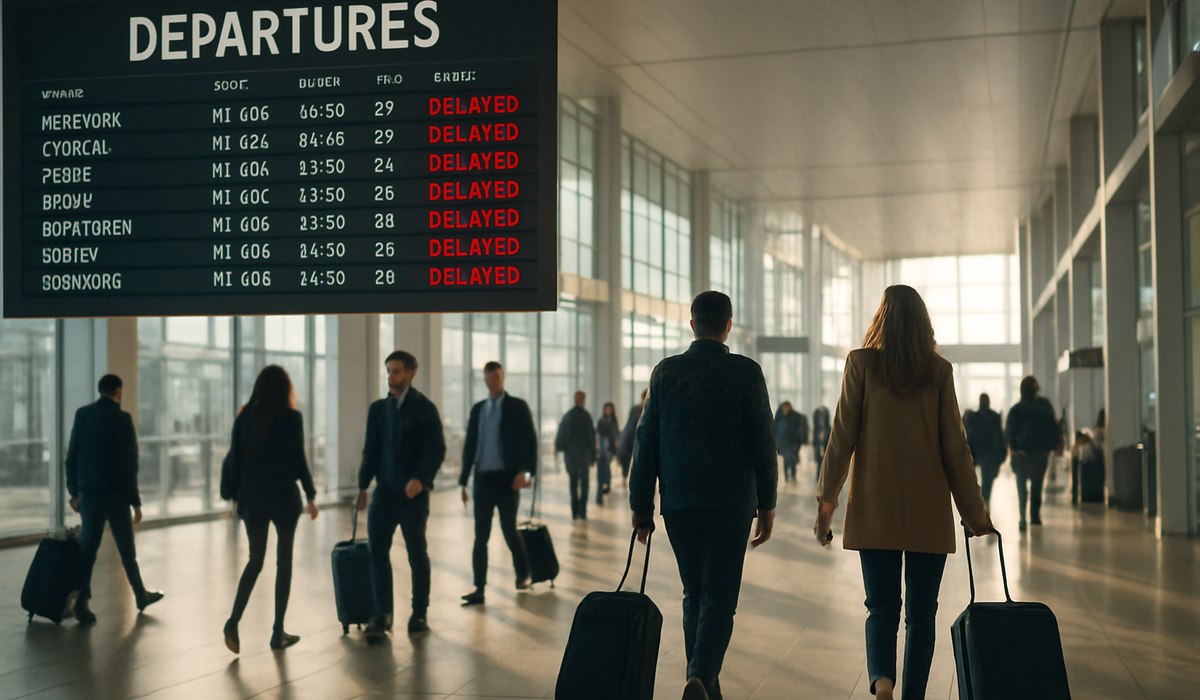
Image generated by AI
Forty-Five Flights Delayed at Portland International Airport on May 8
Portland International Airport (PDX) experienced significant operational disruptions on May 8, 2026, as 45 flights faced delays across multiple major U.S. carriers. Despite the substantial number of affected departures and arrivals, the airport reported zero cancellations, meaning airlines maintained their published schedules with revised timing. Passengers traveling through PDX encountered extended wait times, particularly on high-frequency West Coast routes connecting the Pacific Northwest to California destinations.
The disruptions rippled across the airline network, affecting Alaska Airlines, Delta Air Lines, Southwest Airlines, American Airlines, United Airlines, and regional carriers operating at the airport. This pattern of widespread delays combined with zero cancellations created a day of prolonged passenger experiences rather than wholesale schedule collapse, though connection risks remained elevated for travelers with tight itineraries.
45 Flights Delayed, Zero Cancellations at PDX
Flight-tracking data and publicly accessible airport information confirmed that 45 departures and arrivals experienced schedule disruptions on May 8. Airlines chose to maintain their full schedule rather than cancel services, adjusting departure and arrival times throughout the day as operational conditions evolved. This strategy preserved seat capacity and allowed carriers to move passengers to their destinations on the same calendar day, though with extended waits.
The lack of cancellations distinguished this event from more severe operational disruptions. When airlines cancel flights, they trigger rebooking protocols, standby lists, and passenger compensation procedures. In contrast, delays without cancellations create rolling schedule adjustments that compress throughout the network. For aircraft operating back-to-back rotations between Portland, Seattle, and Los Angeles, even small initial delays accumulate into larger gaps for subsequent flights, extending the impact across the entire day's operations.
Monitoring tools like FlightAware and airport status dashboards provided real-time visibility into which flights were affected, helping travelers plan ground transportation and adjust arrival expectations accordingly.
Major Carriers Impacted: Alaska, Delta, Southwest, American, and United
Five major U.S. carriers bore the brunt of the delays snarl Portland situation on May 8. Alaska Airlines and Delta Air Lines dominated the disrupted flight count on popular Seattle routes, where both carriers maintain substantial daily frequencies. Southwest Airlines, American Airlines, and United Airlines also recorded elevated delays on their respective Portland operations.
Regional and low-cost operators contributed additional disruptions as the cascade effect worked through the system. Carriers prioritized operational completion over schedule recovery, keeping aircraft in service despite mounting schedule slack. This approach reflects industry-wide operational philosophy: it is typically more efficient to delay a flight than to cancel it, provided infrastructure and crew duty limits permit continued operation.
The concentration of delays across multiple carriers simultaneously indicated a systemic factor affecting the airport or regional airspace rather than isolated issues affecting a single airline. Potential causes included air traffic management constraints, congestion at connecting hubs, or localized operational challenges that the FAA manages across the National Airspace System.
Seattle and Los Angeles Routes Hit Hardest
The heaviest concentration of delays snarl Portland operations occurred on Portland's busiest domestic corridors. Northbound service to Seattle-Tacoma International Airport (SEA) recorded multiple delayed departures throughout the day, particularly on Alaska Airlines flights serving that carrier's major Pacific Northwest hub.
Southbound operations to California destinations faced similar compression. Los Angeles International Airport (LAX), Long Beach Airport (LGB), and other Southern California facilities received late-arriving Portland departures, cascading schedule pressure through one of North America's busiest aviation regions. These high-frequency routes typically handle dozens of daily operations, so delays affecting even a portion of service create noticeable passenger backlog.
The Seattle-Portland and Portland-Los Angeles corridors represent essential connectivity for West Coast business travel and leisure markets. Any disruption on these routes immediately affects connection passengers at downstream hubs, potentially creating knock-on delays in Seattle, San Francisco, and Los Angeles networks.
What This Means for Travelers and Connection Risks
Passengers holding connecting itineraries faced particular risk on May 8. A traveler departing Portland on a delayed flight to Seattle and connecting onward to another destination faced compressed layover time, particularly if the downstream flight operated on a tighter schedule.
Airlines typically build connection time buffers into published schedules, but these buffers have compressed significantly since 2020. A 45-minute connection that provided adequate cushion five years ago now represents a marginal window. Delays of 20-30 minutes—routine during the PDX disruption—consumed substantial portions of that protection.
The absence of cancellations meant most delayed passengers remained on their originally scheduled flights rather than rebooking to alternative service. This reduced seat inventory on replacement flights but also meant that itineraries were preserved even if arrival times shifted significantly. Passengers requiring tight connections had limited recourse beyond contacting their airlines directly to assess missed connection protocols and rebooking options.
Those traveling for business meetings, hotel check-ins, or ground transportation connections faced schedule uncertainty and potential rebooking costs if they missed downstream flights. The U.S. Department of Transportation maintains passenger rights regulations that govern airline obligations when delays cause missed connections, but proactive communication with airlines provided faster resolution on May 8.
Traveler Action Checklist
If you were affected by delays snarl Portland operations on May 8 or face potential disruption on Portland routes:
-
Monitor your flight status via FlightAware, your airline's app, or PDX airport information systems at least 2 hours before departure.
-
Contact your airline directly if you hold a connection with a tight layover, asking them to assess missed connection risk and pre-arrange alternative routing if needed.
-
Check baggage policies before departure; confirm whether bags will be automatically transferred to replacement flights or require reclaim and recheck procedures.
-
Document your flight number, scheduled times, and actual times if delays occur; this information supports potential compensation claims under DOT regulations.
-
Arrive at the airport earlier than standard timing on days when delays snarl Portland operations, providing buffer time if you need to rebook or address schedule changes.
-
Communicate arrival delays to ground transportation providers and hotel properties immediately; most will hold reservations with proper notice.
-
Review your airline's delay compensation policy and DOT passenger rights at transportation.gov/airconsumer to understand your rights.
-
Keep receipts for meals, hotels, or ground transportation paid during disruptions; some airlines reimburse eligible expenses under irregular operations policies.
Key Operational Data: May 8 PDX Disruptions
| Metric | Details |
|---|---|
| Total Affected Flights | 45 departures and arrivals |
| Cancellations Reported | 0 (zero) |
| Primary Routes Impacted | Portland-Seattle (SEA), Portland-Los Angeles (LAX) |
| Major Carriers Affected | Alaska Airlines, Delta Air Lines, Southwest Airlines, American Airlines, United Airlines |
| Schedule Strategy | Delays maintained; full schedule completion priority |
| Regional Impact | Cascading delays through Seattle and Los Angeles hubs |
| Average Delay Range | Estimated 20-45 minutes (typical for non-cancellation disruptions) |
| Busiest Hours | Morning and afternoon peak departure windows |
Operational Insights: Why Delays Persist Without Cancellations
Airlines frequently choose delay strategies over cancellations because aircraft and crew remain available to complete flights, just on revised timelines. The delays snarl Portland situation exemplified this
Kunal K Choudhary
Co-Founder & Contributor
A passionate traveller and tech enthusiast. Kunal contributes to the vision and growth of Nomad Lawyer, bringing fresh perspectives and driving the community forward.
Learn more about our team →