
Airlines Facing Unprecedented Aircraft Shortage Despite Record Order Surge
Breaking airline news and aviation industry updates for 2026.

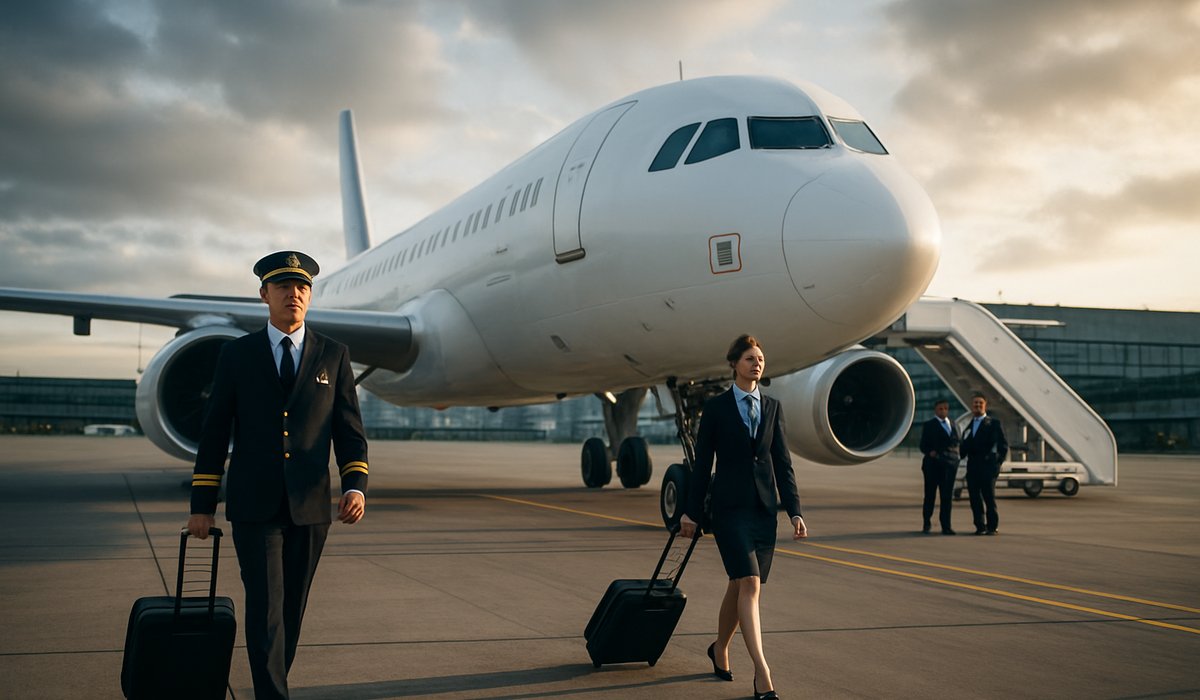
Image generated by AI
Airlines Facing Unprecedented Aircraft Shortage Despite Record Order Surge
Supply chain crisis deepens as manufacturers struggle to meet soaring demand for new jets
The Order-Delivery Disconnect Widens
The aviation industry is confronting a fundamental paradox: airlines are committing capital to purchase aircraft at historically robust levels, yet manufacturers are falling further behind in fulfilling existing contracts. New aircraft orders reached 569 units during the first quarter of 2026—the strongest opening quarter performance in over a decade—while delivery rates simultaneously contracted, revealing a widening gap between ambition and operational capacity within the global aerospace sector.
The divergence underscores mounting pressures across the commercial aviation supply chain, with carriers eager to expand fleets amid rising travel demand and aging aircraft retirements, but manufacturers constrained by production bottlenecks that continue to plague the industry two years into the post-pandemic recovery period.
Record Orders Mask Manufacturing Reality
Airlines demonstrated aggressive purchasing intent in early 2026, ordering 461 single-aisle aircraft alongside widebody and regional variants—figures that eclipse first-quarter totals from 2013 and reflect bullish market sentiment. However, this confidence in future expansion clashes sharply with present-day delivery capabilities.
Manufacturers delivered only 261 aircraft during the same period, marking approximately a 4% decline compared to first-quarter 2025 figures. This performance gap illustrates the structural constraints limiting production ramp-up efforts, despite sustained engineering resources and investment into manufacturing infrastructure.
Systemic Supply Chain Challenges
The manufacturing backlog reflects cascading complications throughout aerospace supply networks. Component shortages, labor constraints, and quality assurance protocols have created persistent friction in assembly lines operated by major manufacturers. Additionally, geopolitical tensions and shifting global trade policies continue to complicate the sourcing of specialized materials and subcomponents critical to aircraft production.
Airlines operating with aging fleets face mounting maintenance costs and fuel inefficiencies, intensifying pressure to modernize their inventories. The newer generation of aircraft—featuring advanced engines, aerodynamic improvements, and digital systems—promise significant operational savings and reduced carbon emissions, motivating the current purchasing surge despite extended delivery timelines that now stretch several years into the future.
Market Implications for Consumers and Carriers
The aircraft shortage compounds challenges facing airlines attempting to manage capacity expansion, upgrade aging jets, and control operational costs amid volatile jet fuel prices and shifting route demands. Extended delivery delays force carriers to retain older, less efficient aircraft longer than planned, perpetuating higher fuel expenses and limiting capacity for route expansion and competitive pricing strategies.
For travelers, these constraints may limit seat availability and sustain elevated airfares across key markets where supply remains constrained relative to demand recovery.
FAQ: Airline Aircraft Orders, Deliveries, and Industry Impact
Why are aircraft delivery rates declining when airlines are ordering more planes? Manufacturing bottlenecks, component shortages, and labor constraints are limiting production capacity despite high order volumes. Aerospace suppliers face quality assurance demands and geopolitical complications that slow assembly timelines.
How does the aircraft shortage affect airline ticket prices and baggage fees? Limited aircraft supply restricts seat availability, supporting higher fares. Airlines may also implement or increase ancillary fees—including baggage charges—to maximize revenue per flight during capacity constraints.
When can airlines expect delivery of recently ordered aircraft? Most new aircraft orders carry delivery commitments stretching 4-7 years into the future, forcing airlines to manage fleet expansion through extended planning horizons.
What percentage of airlines are still operating aging aircraft due to delivery delays? A significant portion of global carriers maintain aircraft beyond originally planned retirement dates, increasing maintenance costs and fuel consumption while awaiting new deliveries.
How do jet fuel prices influence airline decisions to order new aircraft despite delivery delays? Modern aircraft reduce fuel consumption by 15-25% compared to older models, motivating airlines to prioritize new orders despite extended waiting periods, as long-term fuel cost savings justify the capital expenditure.
Related Travel Guides
Flight Delay Compensation Guide 2026
Understanding Airline Route Changes
Airport Security Process Updated (2026)
External Resources
Disclaimer
This article is for informational and educational purposes only. It does not constitute legal, financial, or professional advice. While we strive to provide accurate and up-to-date information, travel policies, regulations, and conditions change rapidly. Always verify information with official sources before making travel decisions. Nomad Lawyer makes no representations about the accuracy, reliability, completeness, or suitability of the information provided. Readers should consult qualified professionals for advice specific to their circumstances. The views expressed in this article are those of the author and do not necessarily reflect the views of Nomad Lawyer.
Raushan Kumar
Founder & Lead Developer
Full-stack developer with 11+ years of experience and a passionate traveller. Raushan built Nomad Lawyer from the ground up with a vision to create the best travel and law experience on the web.
Learn more about our team →