
Mongolia Tourism Report 2026: 35% Rise in International Visitors as Adventure Hub Emerges
Mongolia recorded a 35% increase in international visitors during the first four months of 2026, driven by a surge in adventure tourism and nomadic cultural branding.

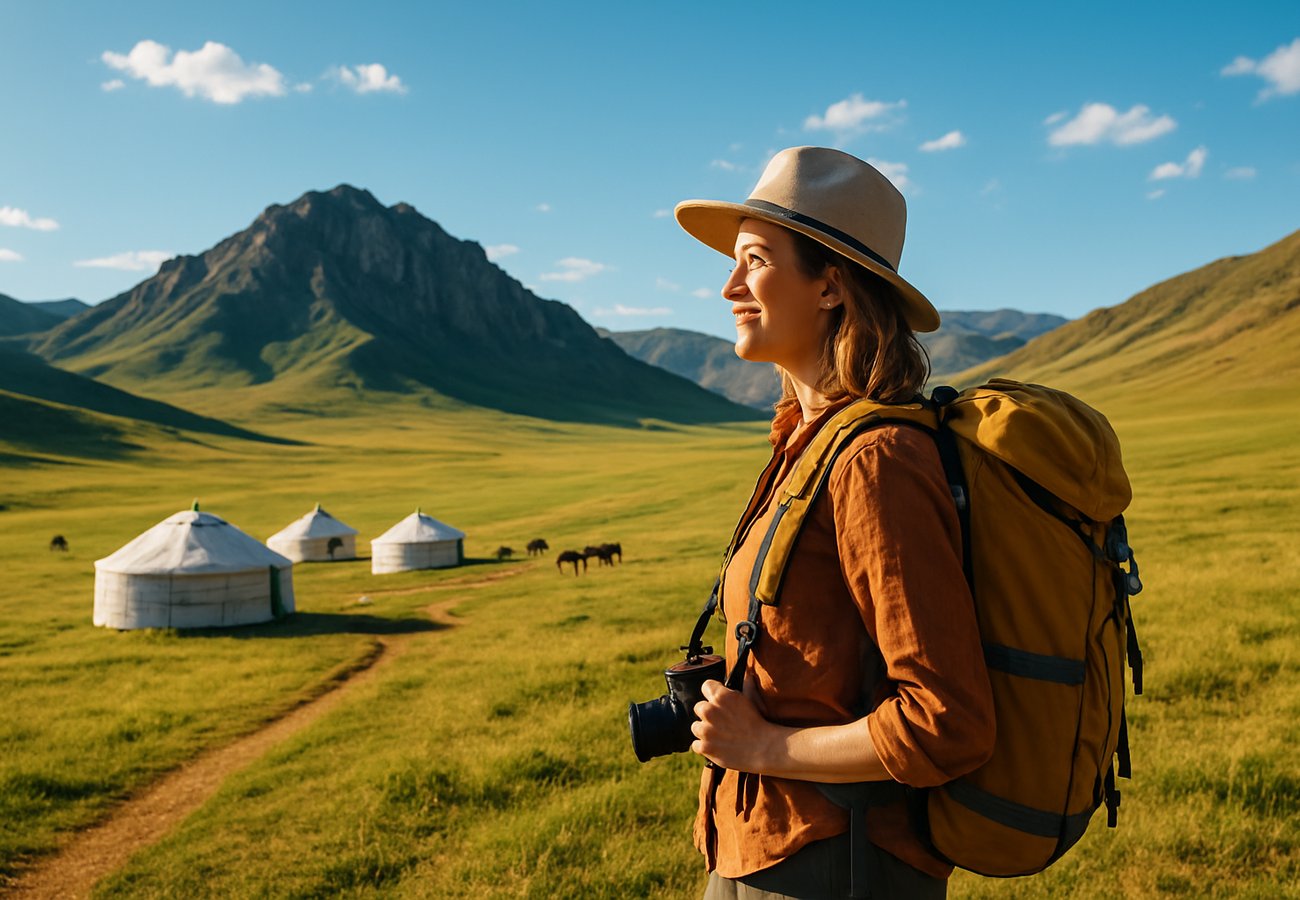
Image generated by AI
Quick Summary
- Total Arrivals (Jan-April): Mongolia recorded 208,028 international visitors in the first four months of 2026.
- Growth Rate: A significant 35% increase compared to the same period in 2025.
- April Momentum: April 2026 alone saw 64,597 arrivals, marking a 26% year-on-year rise.
- Strategic Focus: Government initiatives are prioritizing service quality, global promotion, and infrastructure upgrades.
- Iconic Attractions: Demand is surging for the Gobi Desert, Altai Mountains, and nomadic heritage experiences.
- Investment Pipeline: Over 150 ongoing tourism projects are currently in various stages of development.
- Economic Impact: The sector is established as a critical pillar for job creation and local regional growth.
- Source: Ministry of Culture, Sport, Tourism, and Youth, Mongolia, as of May 7, 2026.
Mongolia has officially emerged as one of Asia’s fastest-growing travel hubs, recording an unprecedented 35% surge in international visitors during the first quarter of 2026. On May 7, 2026, official government data revealed that 208,028 foreigners arrived in the nation between January and April, a massive jump from the previous year’s baseline. This surge is attributed to Mongolia’s successful rebranding as a premier destination for high-yield adventure and eco-tourism, focusing on its unique nomadic traditions and pristine natural landscapes. With April alone contributing 64,597 visitors—a 26% year-on-year increase—the Ministry of Culture, Sport, Tourism, and Youth is accelerating its roadmap for infrastructure development and international destination branding. By leveraging the majestic appeal of the Altai Mountains and the Gobi Desert, Mongolia is solidifying its status as a world-class experiential travel destination for the 2026-2030 cycle.
Mongolia Tourism Performance 2026: International Arrivals and Growth Metrics
The following table summarizes the early-season performance and strategic development goals for Mongolia's tourism sector.
| Period / Metric | 2026 Visitor Arrivals | Growth (YoY) | Strategic Focus Area |
|---|---|---|---|
| Jan - April Total | 208,028 | +35% | Market Expansion & Promotion |
| April 2026 Only | 64,597 | +26% | Peak Season Readiness |
| Service Standards | N/A | Quality Focus | Hospitality Training & Safety |
| Infrastructure | 150+ Projects | Scaling | Road/Airport Connectivity |
| Eco-Tourism Hubs | Gobi & Altai | Growth Hubs | Sustainable Resource Mgmt |
| Promotional Reach | Global Partnerships | Identity | Nomadic Culture Branding |
January–April 2026: Analyzing the 35% Influx Surge
The start of 2026 has marked a fundamental shift in Mongolia’s tourism trajectory:
- Volume Breakthrough: Reaching 208,028 visitors in just four months reflects a high-velocity recovery and expansion of the nation’s international appeal.
- Diversified Markets: Growth is being driven not only by regional neighbors but also by a significant uptick in long-haul travelers from Europe and North America.
- Year-Round Appeal: The figures suggest that Mongolia’s winter and spring festivals are successfully attracting off-peak visitors.
April Performance: Sustaining Momentum for the Peak Season
April served as a critical indicator for the upcoming summer peak:
- YoY Increase: The 26% rise from April 2025 demonstrates that Mongolia is capturing a larger share of the global adventure tourism market.
- Peak Preparedness: The influx of 64,597 visitors in a single month has tested regional hospitality capacity, leading to increased investment in seasonal staffing.
- Booking Trends: Shorter lead times and an increase in group adventure bookings are the primary drivers of the April surge.
Destination Identity: Promoting Nomadic Traditions and the Gobi Desert
Mongolia’s "nomadic lifestyle" has become its most potent branding asset:
- Authenticity Hub: International marketing campaigns are successfully showcasing the vast Gobi Desert and the nomadic traditions of the Khuvsgul region.
- Experiential Travel: Tourists are increasingly seeking immersive stays in traditional ger (yurt) camps that offer modern luxury amenities.
- Cultural Heritage: Participation in international travel fairs is highlighting Mongolia’s unique status as a "last frontier" of nomadic culture in Asia.
Service Quality: Enhancing Hospitality Standards for International Travelers
Sustainability is being achieved through a commitment to high service quality:
- Hospitality Training: The Ministry is implementing industry-wide initiatives to ensure hospitality standards keep pace with surging visitor numbers.
- Safety Protocols: Enhanced safety measures in remote adventure regions (trekking/horseback riding) are increasing traveler confidence.
- Repeat Visitation: By focusing on the quality of the visitor experience, Mongolia aims to build a base of repeat adventure travelers.
Infrastructure Development: Expanding Road and Airport Connectivity
Physical connectivity remains the backbone of the 2026-2030 growth strategy:
- Airport Capacity: Ongoing upgrades to international airports are facilitating larger aircraft and more direct routes from major global hubs.
- Remote Access: New road networks are being developed to make remote natural attractions like the Altai Mountains more accessible to standard tourists.
- Sustainable Accommodation: The 150+ ongoing projects include eco-friendly resorts designed to minimize the environmental footprint in fragile landscapes.
Adventure and Eco-Tourism: Targeting High-Value Experiential Segments
Mongolia is successfully positioning itself as the "Adventure Capital of Asia":
- Niche Markets: Strategic focus is on high-spending segments interested in trekking, mountaineering, and wildlife photography.
- Eco-Friendly Growth: Integration of eco-friendly practices into tourism infrastructure ensures that the stunning natural landscapes are preserved for future generations.
- Global Benchmarking: Mongolia is adopting international best practices in eco-tourism to compete with established hubs like Nepal and New Zealand.
Economic Impact: 150+ Projects Driving Job Creation and Local Growth
Tourism has transitioned from a niche sector to a critical pillar of the national economy:
- Local Economies: The surge in visitors is directly benefiting rural communities through the growth of local transport, guide services, and craft sales.
- Job Creation: Thousands of new roles are being generated across the hospitality and aviation sectors.
- Public-Private Synergy: The influx of private investment alongside government-funded infrastructure is accelerating the modernization of the tourism economy.
Conclusion: Mongolia’s Future as a Leading Global Adventure Destination
The May 7, 2026, report confirms that Mongolia has officially reached a tipping point in its global tourism presence. By achieving a 35% surge in international visitors and reaching over 208,000 arrivals in the first four months of the year, the nation has proven the effectiveness of its focus on adventure branding and infrastructure development. The combination of its pristine Gobi Desert, majestic Altai Mountains, and unparalleled nomadic heritage provides a unique competitive advantage in an increasingly crowded global market. As the Ministry continues to prioritize service quality and sustainable practices across its 150+ ongoing projects, Mongolia is well-positioned to become a dominant force in international adventure tourism, offering an unforgettable and authentic experience for travelers from every corner of the world.
FAQ: Mongolia Tourism Growth 2026
How much did international tourism grow in Mongolia in early 2026? Mongolia saw a 35% increase in international visitors during the first four months of 2026 compared to 2025.
What are the primary tourism attractions in Mongolia? The Gobi Desert, the Altai Mountains, and the nation’s rich nomadic cultural traditions are the primary drivers of international interest.
How many international visitors arrived in April 2026? In April 2026, Mongolia welcomed 64,597 international visitors, a 26% year-on-year increase.
Related Asia Adventure Tourism Reports
Disclaimer
This article is for informational and educational purposes only. It does not constitute legal, financial, or professional advice. While we strive to provide accurate and up-to-date information, travel policies, regulations, and conditions change rapidly. Always verify information with official sources before making travel decisions. Nomad Lawyer makes no representations about the accuracy, reliability, completeness, or suitability of the information provided. Readers should consult qualified professionals for advice specific to their circumstances. The views expressed in this article are those of the author and do not necessarily reflect the views of Nomad Lawyer.
Kunal K Choudhary
Co-Founder & Contributor
A passionate traveller and tech enthusiast. Kunal contributes to the vision and growth of Nomad Lawyer, bringing fresh perspectives and driving the community forward.
Learn more about our team →