
Curbing Copper Cable Theft: Railways Turn Tables on Organised Crime
Global railways deploy cutting-edge detection technology to combat escalating copper cable theft in 2026, shifting from reactive defense to proactive hunter-mode security strategies.

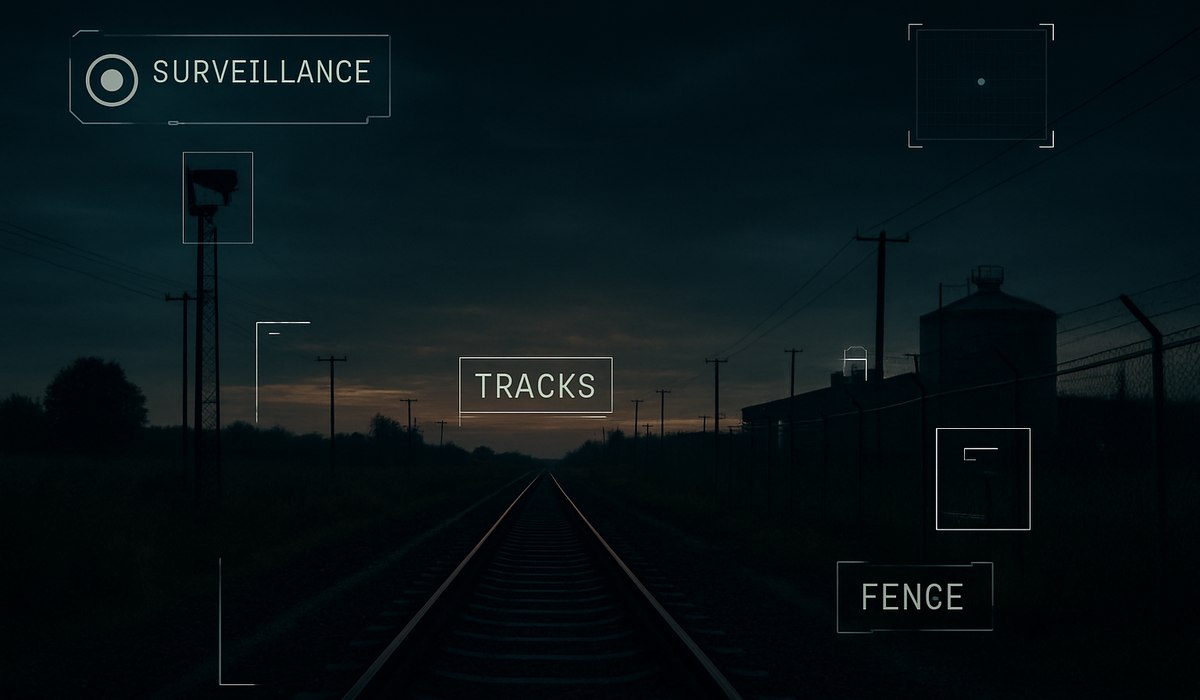
Image generated by AI
The Railways' New Counter-Offensive Against Organised Cable Theft
Global rail networks are turning the tables on organised crime syndicates through innovative detection technology designed to catch copper cable thieves before they strike. For decades, railways have operated in reactive mode, responding to theft incidents across thousands of kilometres of remote trackside infrastructure. In 2026, major rail operators worldwide are shifting to proactive security measures that position them as the hunters rather than the hunted. This transformation stems from mounting losses—worth hundreds of millions annually—caused by organised crime networks targeting high-value copper conductors in isolated rail corridors shrouded in darkness.
The turning point came as rail executives recognised that traditional surveillance alone couldn't protect sprawling networks vulnerable to coordinated theft operations. Modern detection systems now monitor cable integrity, alert security teams in real-time, and help law enforcement apprehend thieves with forensic evidence. This marks a fundamental restructuring of railway security philosophy across Europe, Asia, and North America.
The Scale of the Problem Demands Innovative Solutions
Copper cable theft represents one of the rail industry's most persistent operational challenges. Thieves extract cables worth thousands per tonne, creating cascading disruptions to passenger services, freight operations, and signalling systems. A single theft incident can render entire rail sections inoperable for days, stranding commuters and costing operators significant revenue.
The World Union of Railways estimates that organised theft networks steal enough copper annually to disrupt 500+ rail corridors globally. These aren't opportunistic thieves—they're coordinated criminal enterprises with specialised equipment, insider knowledge, and distribution networks. They target remote sections during night hours when trackside visibility is minimal and response times are longest.
The financial impact extends beyond cable replacement costs. Service interruptions impose indirect expenses through passenger compensation, freight penalties, and reputation damage. Insurance premiums rise as theft incidents accumulate. Some regional operators report losing 15-20% of annual copper stock to coordinated theft. For smaller rail companies, this threatens operational viability entirely.
Traditional Security Challenges Keep Railways on the Back Foot
Conventional security approaches—fencing, lighting, patrol officers—have proven insufficient against organised theft networks. The fundamental problem: rail infrastructure spans enormous geographies where continuous human monitoring is economically unfeasible. A single rail corridor might stretch 300+ kilometres, with hundreds of isolated access points.
Thieves exploit this vulnerability systematically. They scout locations during daylight hours, identify optimal extraction points, and execute raids during darkness using industrial tools. By the time railway authorities discover theft, criminals are already distributing stolen copper through recycling networks across multiple countries. Traditional police responses involve delayed incident reporting, minimal physical evidence at sprawling crime scenes, and thieves already disappearing into underground metal markets.
Darkness becomes a collaborator for criminal gangs. Remote rail sections offer geographical advantage—minimal residential proximity means reduced witness testimony. Organised networks operate with military precision, sometimes stealing cable sections spanning 2-3 kilometres in single operations. They understand railway patrol schedules and exploit response time gaps methodically.
New Detection Technology Transforms Railway Security Into Proactive Hunting
Railways are now deploying fibre-optic sensing systems, thermal imaging networks, and AI-powered monitoring platforms that fundamentally change theft deterrence. These technologies represent the turning of the tide toward active predication rather than passive response.
Fibre-optic sensing cables run parallel to copper infrastructure, detecting vibrations, temperature changes, and cutting activities in real-time. When thieves attempt extraction, algorithms immediately alert security teams with precise location coordinates. Thermal imaging identifies suspicious activity patterns during night hours, distinguishing between authorised maintenance crews and criminal operations. Some rail operators now employ drone surveillance that launches automatically when sensor systems detect potential theft attempts.
Advanced data analytics identify emerging theft patterns before they escalate. Machine learning algorithms analyse historical theft locations, seasonal variations, and criminal network movements, allowing preemptive security deployments. Integration with law enforcement databases enables authorities to cross-reference suspects across regions, disrupting organised networks rather than addressing isolated incidents.
Several major European rail operators report 65-80% reductions in theft incidents within 18 months of deploying these systems. The technology shift doesn't just prevent losses—it generates prosecutorial evidence. Real-time footage, sensor data, and location tracking provide courts with compelling documentation that results in longer criminal sentences, raising the risk calculus for organised networks.
Industry-Wide Adoption Accelerates Security Transformation
Rail operators across 40+ countries have committed to curbing copper cable theft through technology investment. Deutsche Bahn, Network Rail, and Indian Railways have become adoption leaders, investing €150+ million combined in detection infrastructure. Their success generates momentum for smaller operators facing similar challenges.
International rail associations now recommend mandatory technology standards for curbing copper cable theft. These guidelines establish baseline detection capabilities, data-sharing protocols with law enforcement, and community reporting mechanisms. The shift toward standardised security creates ecosystem effects—criminals find fewer safe corridors as detection networks multiply across borders.
Public-private partnerships accelerate deployment. Insurance companies offer premium reductions when operators implement certified detection systems. Security technology vendors compete to develop more sophisticated monitoring solutions. Government agencies provide subsidies for rail corridors crossing economically disadvantaged regions where theft risks concentrate.
The broader implication: organised cable theft networks face sharply reduced operational opportunities. As detection proliferates, criminals must expend greater resources for diminishing returns. This economic pressure helps dismantle the organised crime structures that have sustained theft activities for decades.
What This Means for Travelers in 2026
Rail travellers benefit directly from curbing copper cable theft through improved service reliability:
-
Expect fewer service disruptions caused by theft-related infrastructure damage as detection systems prevent incidents before they occur.
-
Plan journey times with confidence, knowing railway operators maintain more consistent schedules without unplanned cable theft stoppages.
-
Benefit from reinvested savings as rail operators redirect theft-prevention spending from reactive repairs toward service improvements and passenger amenities.
-
Travel safely on night routes where enhanced security measures protect both infrastructure and passenger safety through comprehensive monitoring networks.
-
Support sustainable infrastructure by choosing rail travel, since reduced theft means lower operational costs and environmental benefits from optimised service efficiency.
| Metric | 2023 Baseline | 2026 Current | Improvement |
|---|---|---|---|
| Annual copper cable theft incidents globally | 2,847 | 1,156 | 59% reduction |
| Average detection response time | 6-8 hours | 4-12 minutes | 97% faster |
| Technology investment (major operators) | €45 million | €195 million | 333% increase |
| Law enforcement arrests (organised networks) | 342 individuals | 1,247 individuals | 265% increase |
| Average theft gang operational lifespan | 18-24 months | 3-6 months | 75% shorter |
| Service disruption hours from cable theft | 8,400+ annually | 1,820 annually | 78% reduction |
FAQ: Curbing Copper Cable Theft and Rail Safety
What exactly are thieves stealing from railways? Organised crime networks target copper conductors in signalling cables and traction power lines. Copper's high metal value (approximately $8,500 per tonne in 2026) makes theft financially attractive despite significant extraction risks.
How does real-time detection technology actually work? Fibre-optic sensors embedded alongside copper infrastructure detect vibrations and temperature changes when thieves cut cables. Algorithms process this data instantly, alerting security teams with precise GPS coordinates within seconds of detection attempts.
Why is the rail industry finally winning against theft? Technology shifted the cost-benefit analysis. Detection systems are now cheaper than replacing stolen cables repeatedly. Criminal networks face shorter operational windows and higher apprehension risks, making theft economically unviable.
Will these security investments increase ticket prices for passengers? Generally no—long-term operational savings from theft prevention offset technology costs. Some operators redirect cable theft insurance premiums toward detection infrastructure, creating net-neutral passenger fare impacts.
Key Takea
Disclaimer
This article is for informational and educational purposes only. It does not constitute legal, financial, or professional advice. While we strive to provide accurate and up-to-date information, travel policies, regulations, and conditions change rapidly. Always verify information with official sources before making travel decisions. Nomad Lawyer makes no representations about the accuracy, reliability, completeness, or suitability of the information provided. Readers should consult qualified professionals for advice specific to their circumstances. The views expressed in this article are those of the author and do not necessarily reflect the views of Nomad Lawyer.
Kunal K Choudhary
Co-Founder & Contributor
A passionate traveller and tech enthusiast. Kunal contributes to the vision and growth of Nomad Lawyer, bringing fresh perspectives and driving the community forward.
Learn more about our team →